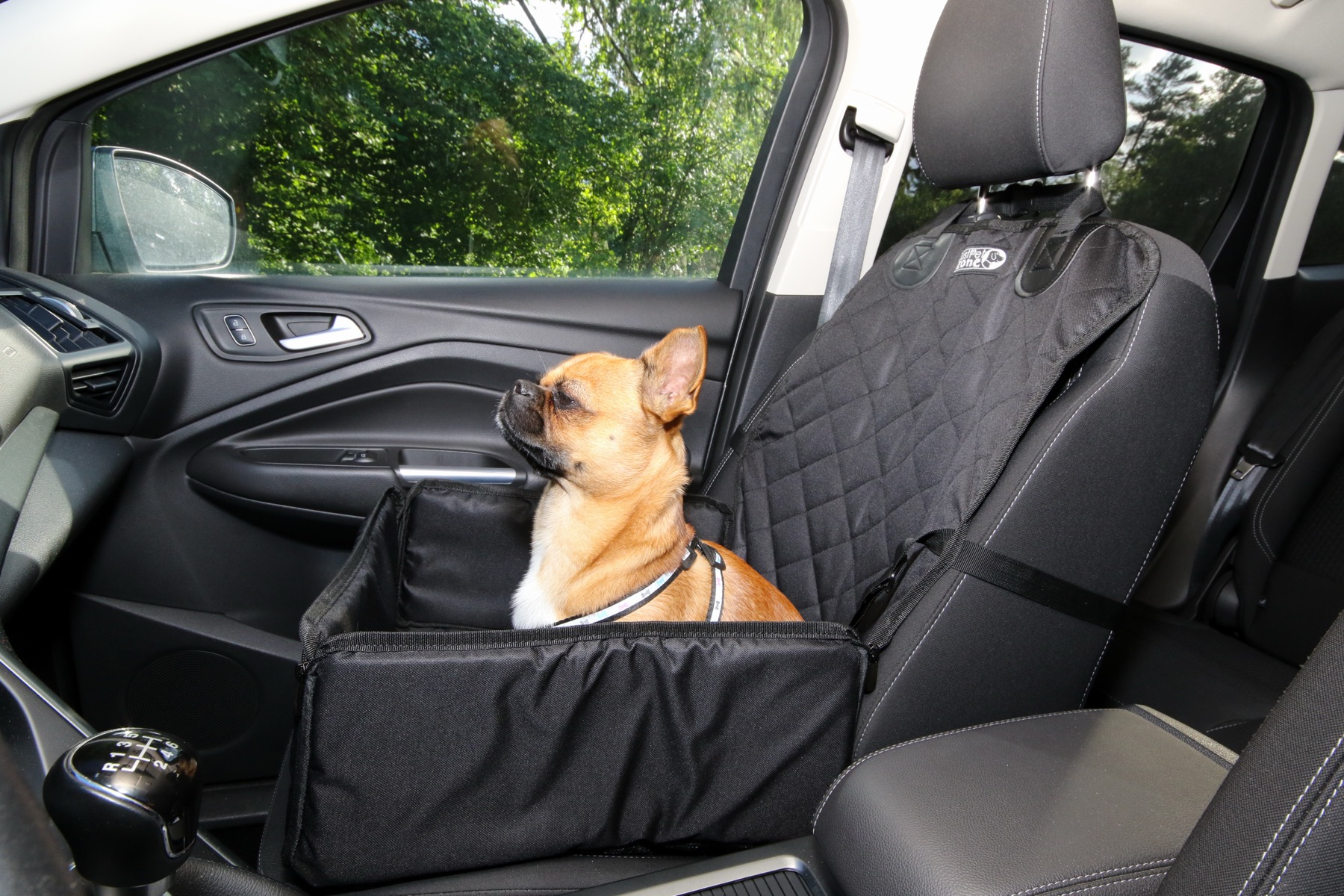
Best Dog Harnesses for Small Dogs
The best dog harness for a small dog is the one that fits the rib cage securely, avoids pressure on the throat, does not rub behind the front legs, and matches the way your dog actually moves through the world. For many small dogs, that means a soft vest-style harness such as Puppia or Voyager. For sturdier walkers, odd proportions, or outdoor use, a more adjustable harness from Ruffwear, Gooby, or PetSafe may make more sense.
Dogthread may earn a commission if you buy through links on this page. That does not change our recommendations. This guide is an editorial buyer guide based on product specifications, current product pages, search-pattern review, and small-dog fit criteria. We did not conduct hands-on product testing for this article, so fit notes should be treated as buying guidance, not a guarantee for your dog.
Quick Picks
| Pick | Best fit | Skip it if | | --- | --- | --- | | Puppia Soft Dog Harness | Toy and small dogs that need a soft, breathable everyday vest | Your dog hates over-the-head harnesses or has a very large head compared with the neck opening | | Voyager Step-In Air | Owners who want a simple, budget-friendly step-in vest | Your dog backs out of harnesses or needs a front leash clip | | Ruffwear Front Range | Small dogs that need more structure, adjustment, and a front/back clip option | Your dog is tiny, narrow, or sensitive to bulk | | Gooby Comfort X / Escape Free styles | Small dogs with throat-pressure or backing-out concerns | You need a true training harness for strong pulling | | PetSafe Easy Walk | Small pullers that need front-clip steering during leash training | Your dog has sensitive shoulders, unusual proportions, or needs padding | | Ruffwear Flagline | Long-bodied, slippery, or trail-walking small dogs that need extra security | You only need a soft neighborhood vest |
What Small Dogs Need From a Harness
Small dogs are not just miniature large dogs. A five-pound Chihuahua, a ten-pound toy poodle, a sixteen-pound Shih Tzu, and a twenty-two-pound dachshund can all fall under "small dog," but they do not fit harnesses the same way.
The main buying criteria are:
- Girth fit: measure around the widest part of the rib cage, behind the front legs.
- Neck pressure: avoid designs that ride high on the throat, especially for toy breeds and dogs that cough when pressure hits the neck.
- Armpit clearance: the straps or vest edges should not rub the soft area behind the front legs.
- Escape resistance: dogs with narrow shoulders, deep chests, or anxious backing-up behavior need more than a loose vest.
- Bulk: tiny dogs can be swallowed by stiff panels, oversized buckles, and heavy leash hardware.
- Leash attachment: back clips are easy for casual walks; front clips can help with steering but do not train loose-leash walking by themselves.
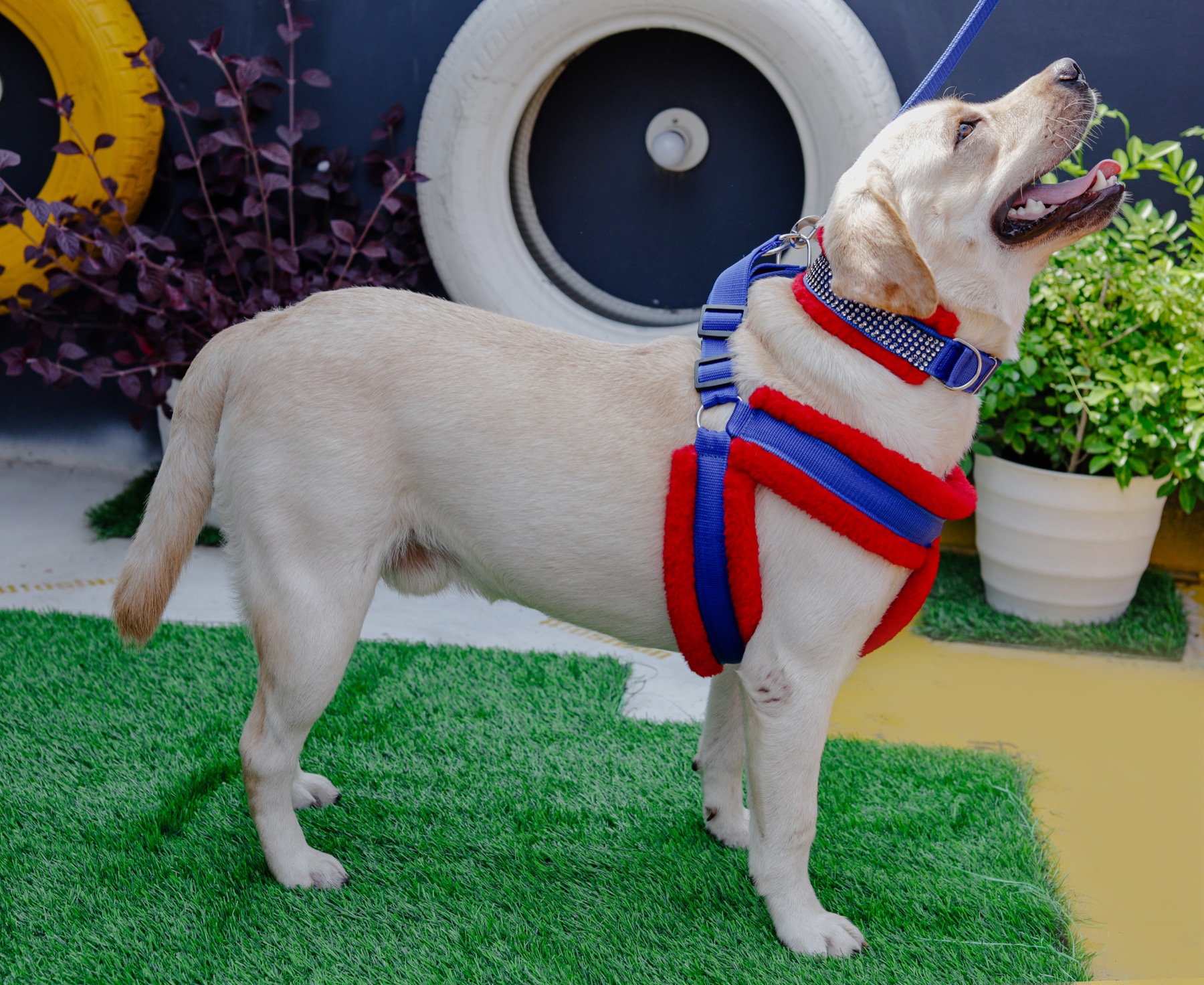
Best Soft Harness for Most Toy Breeds: Puppia Soft Dog Harness
The Puppia Soft Dog Harness is the classic small-dog vest pick because it is light, soft, and simple. It is the kind of harness that makes sense for toy poodles, Yorkies, Maltese, Pomeranians, Chihuahuas, and other small companion dogs that do not need a tactical-looking chest rig just to walk around the block.
Who it fits: small dogs that walk politely, have normal-to-delicate necks, and benefit from a soft mesh body panel. It is especially appealing for dogs that find thin nylon straps irritating.
Who should skip it: dogs with big heads, thick necks, or unusual proportions. Many Puppia-style harnesses go over the head and have limited neck adjustability, so the chest can fit while the neck opening still feels wrong. Dogs that reverse hard out of harnesses may also need a more secure design.
Best home context: apartments, neighborhood walks, seniors, puppies old enough for gentle walks, and small dogs whose owners want a comfortable everyday vest.
The uncertainty: sizing can be fussy. If your dog is between sizes, do not guess from weight alone. Measure the chest and check recent retailer size charts because small-dog harness sizing is where optimism goes to die.
Best Easy Step-In Harness: Voyager Step-In Air
The Voyager Step-In Air is a sensible choice for owners who want the least complicated harness possible: paws in, clip on the back, go. It is a soft mesh vest style, usually affordable, and popular for small dogs that dislike having gear pulled over their head.
Who it fits: small dogs that tolerate having their paws handled, casual walkers, and owners who want a simple backup harness for errands or short daily walks.
Who should skip it: serious pullers, escape artists, and dogs that need front-clip steering. Step-in vest harnesses are convenient, but convenience is not the same as security.
Breed and body fit: it can work well for many small companion breeds, but check the chest depth. Rounder dogs such as pugs and some Shih Tzu mixes may need sizing up; narrow dogs may need a more adjustable harness.
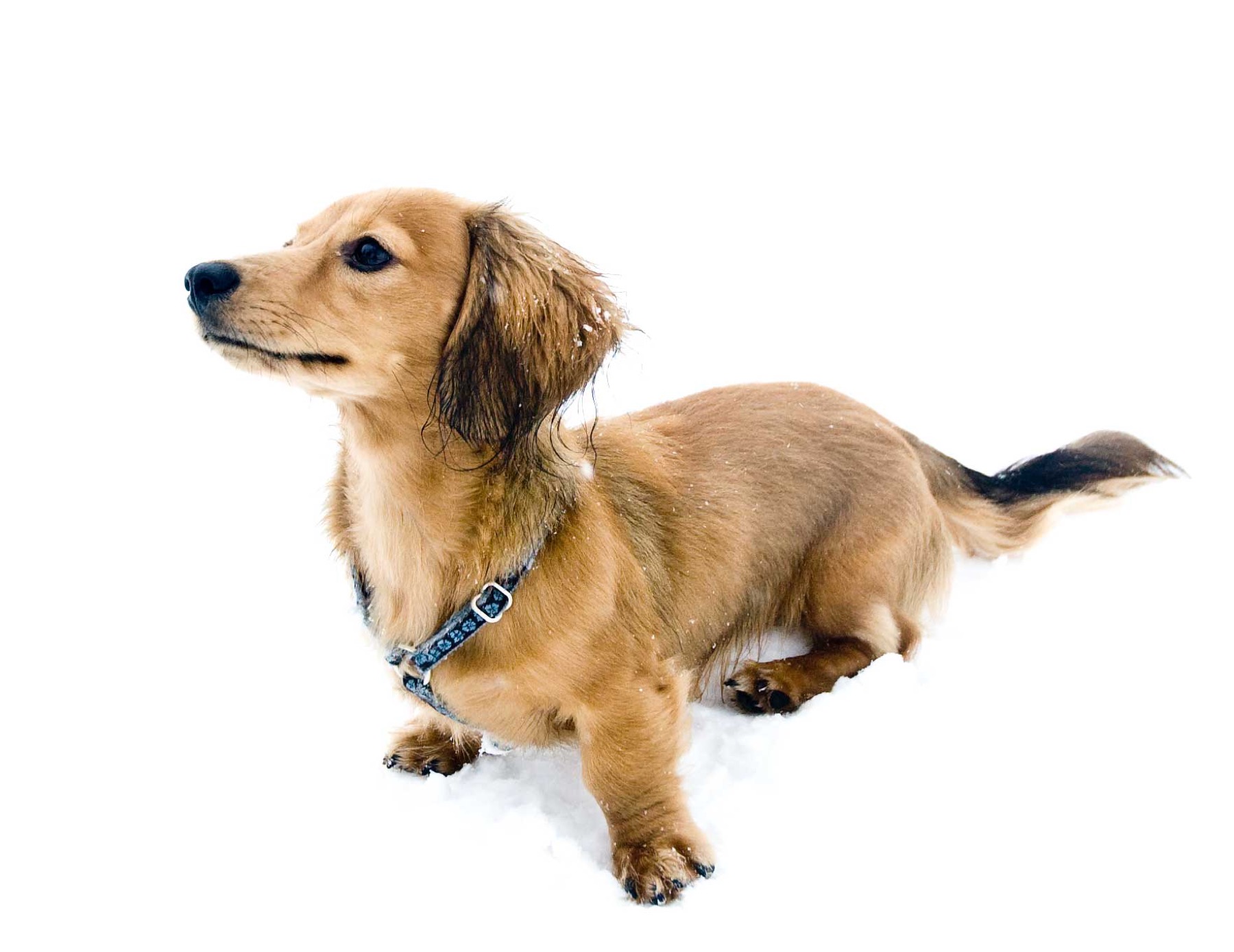
Best Structured Everyday Harness: Ruffwear Front Range
Ruffwear Front Range is the stronger pick when a small dog needs more adjustment, more structure, and both back and front leash attachment options. It comes in very small sizes, and the official sizing is based on rib-cage girth rather than vague breed labels.
Who it fits: active small dogs, sturdy terriers, miniature schnauzers, small mixed breeds, and dogs that go beyond flat sidewalk walks.
Who should skip it: very tiny dogs, narrow toy breeds, and dogs that hate bulk. In extra-small sizes, structured harnesses can still feel like a lot of gear on a small frame.
Best home context: suburbs, trails, parks, camping, and owners who want one harness for normal walks plus light adventure.
The front clip can help redirect pulling, but it is not a magic off switch. If a small dog lunges, spins, or panics, the answer is fit plus training plus calmer setups, not simply buying a harness with a different ring.
Best for Throat-Pressure Concerns: Gooby Comfort X
Gooby designs heavily around small dogs, and the Comfort X style is built to sit lower across the chest instead of high across the throat. That makes it worth considering for small dogs that cough, gag, or dislike neck pressure.
Who it fits: small dogs with sensitive throats, toy breeds, and short daily walkers that need a lightweight harness shape.
Who should skip it: strong pullers that need serious control, dogs that chew harnesses, and owners looking for a car-safety harness. A walking harness is not automatically crash-tested travel gear.
Home context: city walks, senior dogs, gentle dogs, and owners who want something softer and less neck-focused than a collar.
If your dog coughs frequently on walks, do not treat a harness as a diagnosis. Switch away from neck pressure, then ask your veterinarian if coughing continues.
Best Front-Clip Training Harness: PetSafe Easy Walk
PetSafe Easy Walk is a front-clip harness with multiple sizes down into petite ranges. Its purpose is leash steering: when the dog pulls ahead, the front attachment can turn the body instead of letting the dog drive straight forward.
Who it fits: small dogs that pull but are not panicked, reactive, or physically uncomfortable in front-strap designs.
Who should skip it: dogs with shoulder irritation, dogs with unusual chest shape, or owners expecting the harness to replace training. Some front-clip designs can interfere with shoulder motion if poorly fitted.
Buying note: measure both chest width and girth if the brand asks for both. Front-clip harnesses are less forgiving than soft vest harnesses because the chest strap position matters.
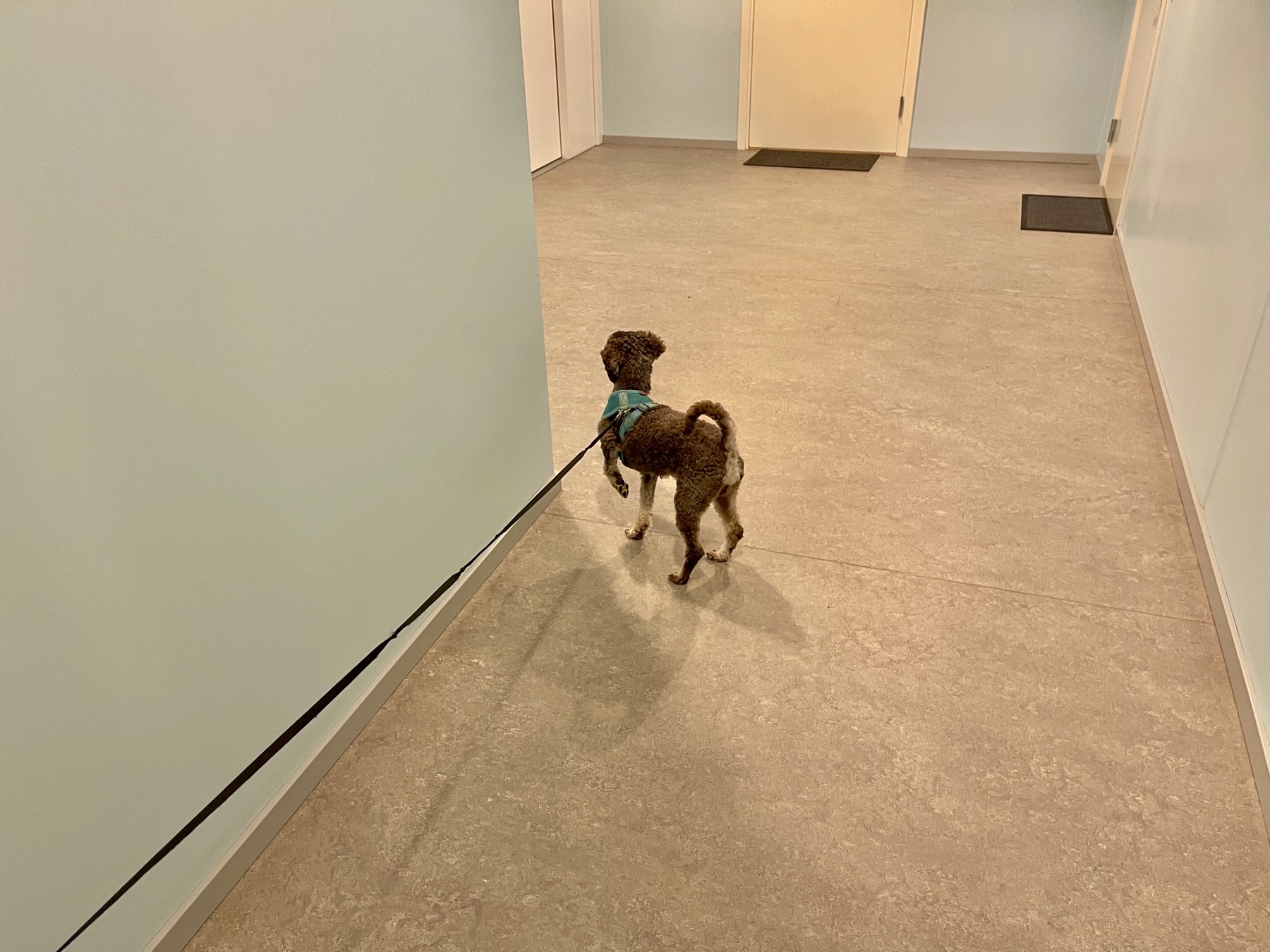
Best More Secure Harness for Slippery Dogs: Ruffwear Flagline or Gooby Escape Free
Some small dogs can back out of a normal harness with horrifying efficiency. Narrow shoulders, deep chests, long backs, fear, and sudden reverse pulling can all make a simple vest risky.
For those dogs, look at designs with more body coverage and better rear security, such as Ruffwear Flagline or Gooby Escape Free styles. The extra coverage can help keep the harness behind the rib cage instead of letting it slide forward and off.
Who it fits: dachshunds, Italian greyhound-type builds, nervous small dogs, trail walkers, and dogs with a history of slipping harnesses.
Who should skip it: dogs that only need a soft, lightweight walking vest. More security usually means more material, more adjustment, and more chances to annoy a dog that does not need it.
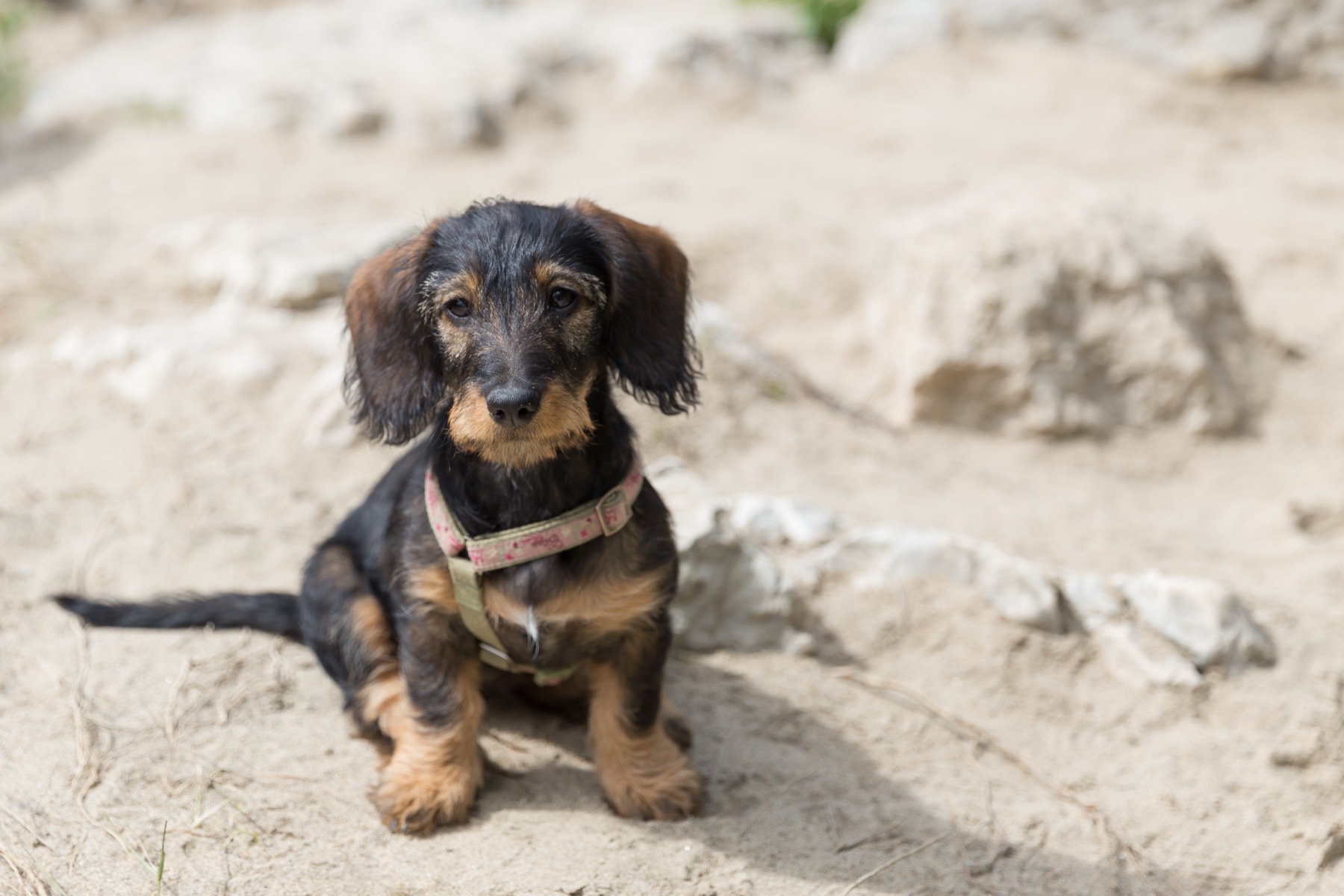
How to Fit a Small Dog Harness
Start with a soft tape measure. Measure the widest part of the rib cage, not the waist and not the neck. If the size chart also asks for neck or chest width, measure those too.
A good small-dog harness should:
- sit on the chest and rib cage, not the throat;
- allow one finger under the straps on tiny dogs, or roughly two fingers on larger small dogs;
- clear the front-leg armpits;
- stay level when the leash is clipped;
- avoid twisting when the dog turns;
- stay on if the dog stops, backs up, or shakes.
Check fit indoors first. Then test in a quiet, fenced, or low-risk area before taking a new harness into traffic, a busy park, or a high-distraction street.
Harness Type by Dog Shape
Tiny toy breeds: look for lightweight mesh, small buckles, and minimal hardware. Puppia, Voyager, and Gooby are the first families to compare.
Round or broad-chested dogs: pugs, Frenchies, and some Shih Tzu mixes often need chest adjustability more than a narrow neck opening. Do not buy by weight alone.
Long-backed dogs: dachshunds and similar builds may need a harness that spreads pressure without riding into the front legs. Watch for rubbing and escape risk.
Narrow, slippery dogs: Italian greyhound-type bodies and small sighthound mixes often need more secure multi-strap designs.
Small but strong pullers: consider a front-clip harness as a management tool, but pair it with loose-leash training. Harness shopping is not dog training, no matter how confidently the product page winks at you.

What I Would Avoid
Avoid harnesses that:
- rely only on weight ranges;
- sit across the windpipe;
- have hard seams behind the front legs;
- use oversized metal hardware on tiny dogs;
- claim to be "no-pull" without explaining fit and training;
- are marketed as car-safe without clear crash-test evidence;
- loosen during a normal walk.
Also avoid buying five random cheap harnesses and hoping one works. Measure once, compare charts, check return policies, and buy the design that matches your dog's body. The dog does not care that the harness is cute if it rubs like a bad backpack strap.
Small Dog Harness Comparison
| Harness family | Main strength | Main concern | | --- | --- | --- | | Puppia Soft | Soft everyday comfort | Neck opening may not fit every dog | | Voyager Step-In Air | Easy on/off and budget-friendly | Limited control and escape resistance | | Ruffwear Front Range | Structured fit and front/back clips | Can feel bulky on tiny dogs | | Gooby Comfort X | Lower throat pressure for small dogs | Not a heavy-duty training solution | | PetSafe Easy Walk | Front-clip steering for pullers | Fit must be precise around chest/shoulders | | Ruffwear Flagline | Extra security and lift-assist coverage | More harness than many small dogs need |
Final Recommendation
For most small dogs, start with the softest harness that still fits securely. If your dog is tiny, gentle, and walks politely, Puppia or Voyager is the practical first stop. If your dog is more active, stronger, or needs front/back leash options, Ruffwear Front Range is the better all-around upgrade. If throat pressure is the concern, look hard at Gooby. If slipping out is the concern, move toward Flagline or Escape Free-style designs instead of hoping a loose vest will behave.
The real best harness is not the one with the loudest product page. It is the one your dog can move in comfortably, that you can fit correctly, and that still works when your small dog suddenly decides the leaf across the street is a matter of national security.

FAQ
Are harnesses better than collars for small dogs?
Often, yes. Harnesses can reduce pressure on a small dog's neck and throat compared with attaching the leash to a collar. Your dog should still wear ID, and some dogs do fine on collars, but a harness is usually safer for leash pressure.
What is the safest harness for a small dog?
The safest everyday harness is one that fits the rib cage, avoids the throat, does not rub, and cannot be backed out of easily. For escape-prone dogs, prioritize a more secure multi-strap design over a soft fashion vest.
Should a small dog use a front-clip harness?
A front clip can help redirect pulling, but it depends on fit and movement. If the chest strap interferes with shoulder motion or rubs, choose a different design. For serious pulling or reactivity, use training help rather than relying on gear alone.
How tight should a small dog harness be?
Snug, not squeezing. On very small dogs, you should usually be able to slide one finger under the harness. On larger small dogs, two fingers may be more realistic. The harness should not rotate, gape, or press into the throat.
Can a dog wear a harness all day?
Some soft harnesses are comfortable enough for longer wear, but most dogs should not live in a harness all day. Remove it at home when practical so skin and coat can breathe, and check for rubbing.
Is a walking harness safe for car travel?
Not automatically. A walking harness and a crash-tested car harness are different things. If you need car restraint, look for clear travel-safety claims and crash-test evidence from the product maker.