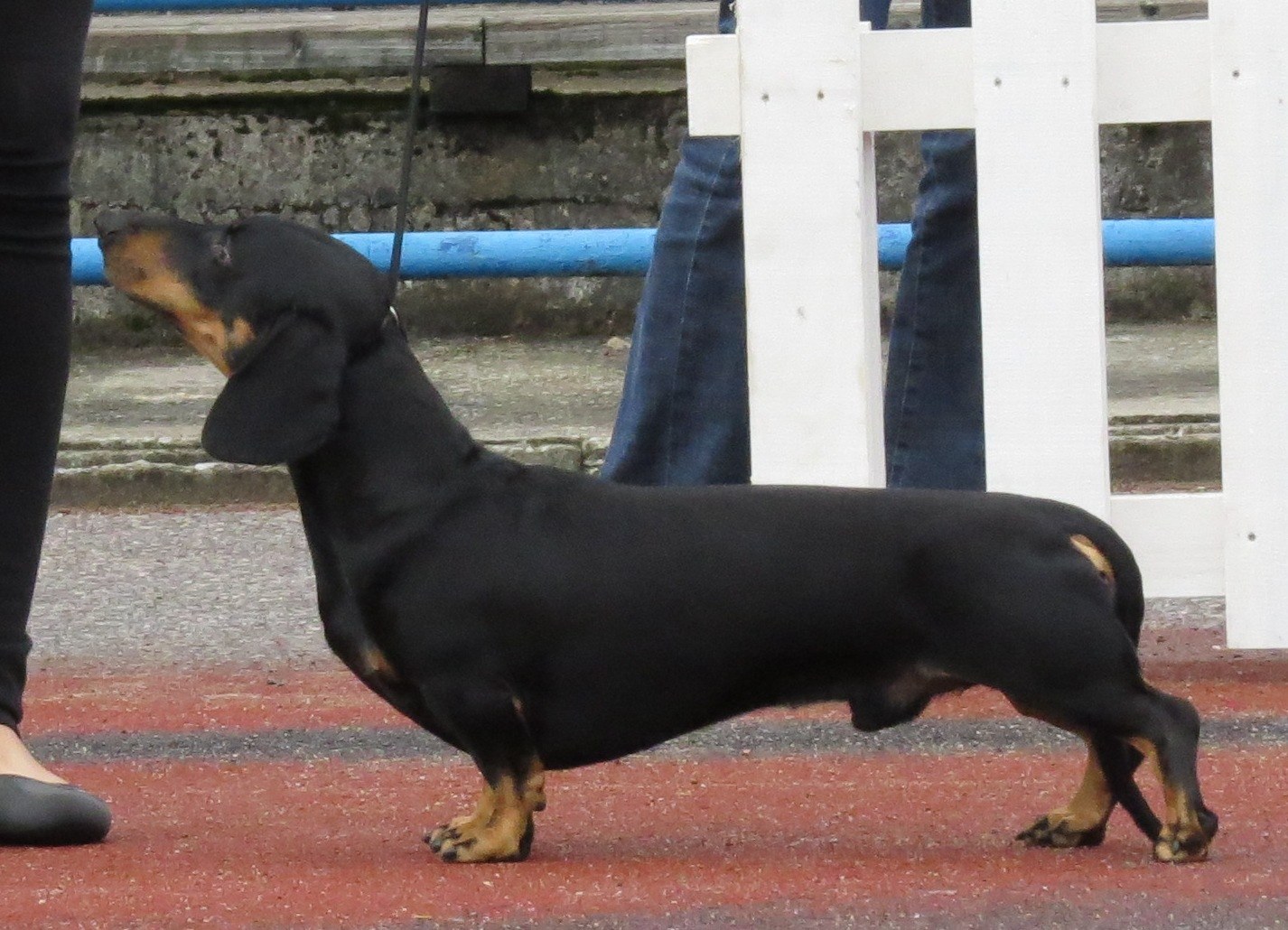
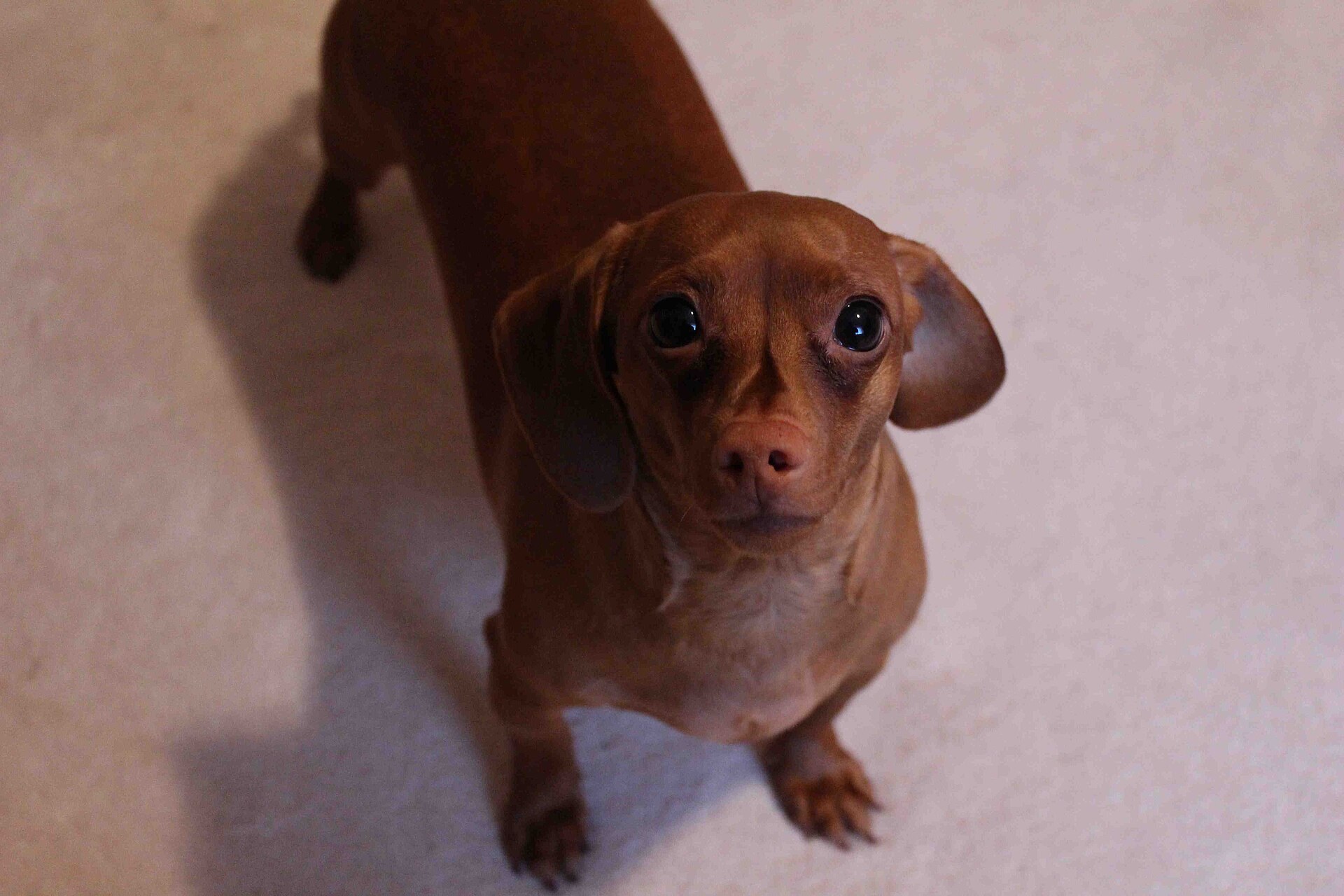
Dog of the Day: Dachshund
The Dachshund is short, long, loud when it feels like it, and much braver than its floor clearance suggests. That shape was not designed by a committee trying to make internet jokes. It was built for a job: go underground after badgers, push into tight tunnels, think independently, and come back with all the confidence still intact.
For today's Dog of the Day, the Dachshund gets the spotlight because it is one of the clearest examples of a dog whose body, attitude, and owner reality all come from purpose. The long back, short legs, deep chest, strong voice, and stubborn little brain make more sense when you remember the breed was not invented to be decorative. It was bred to be useful, bold, and hard to intimidate.
That history is also why the modern Dachshund is not just a cute small dog. A good one can be affectionate, funny, clever, watchful, and deeply attached to its people. It can also be opinionated, prey-driven, noisy, and too brave for its own spinal column. Tiny dog. Big terms and conditions.
Quick facts about the Dachshund
- Breed group: Hound
- Origin: Germany
- Name meaning: "Badger dog" in German
- Sizes: Standard and miniature in common U.S. breed references
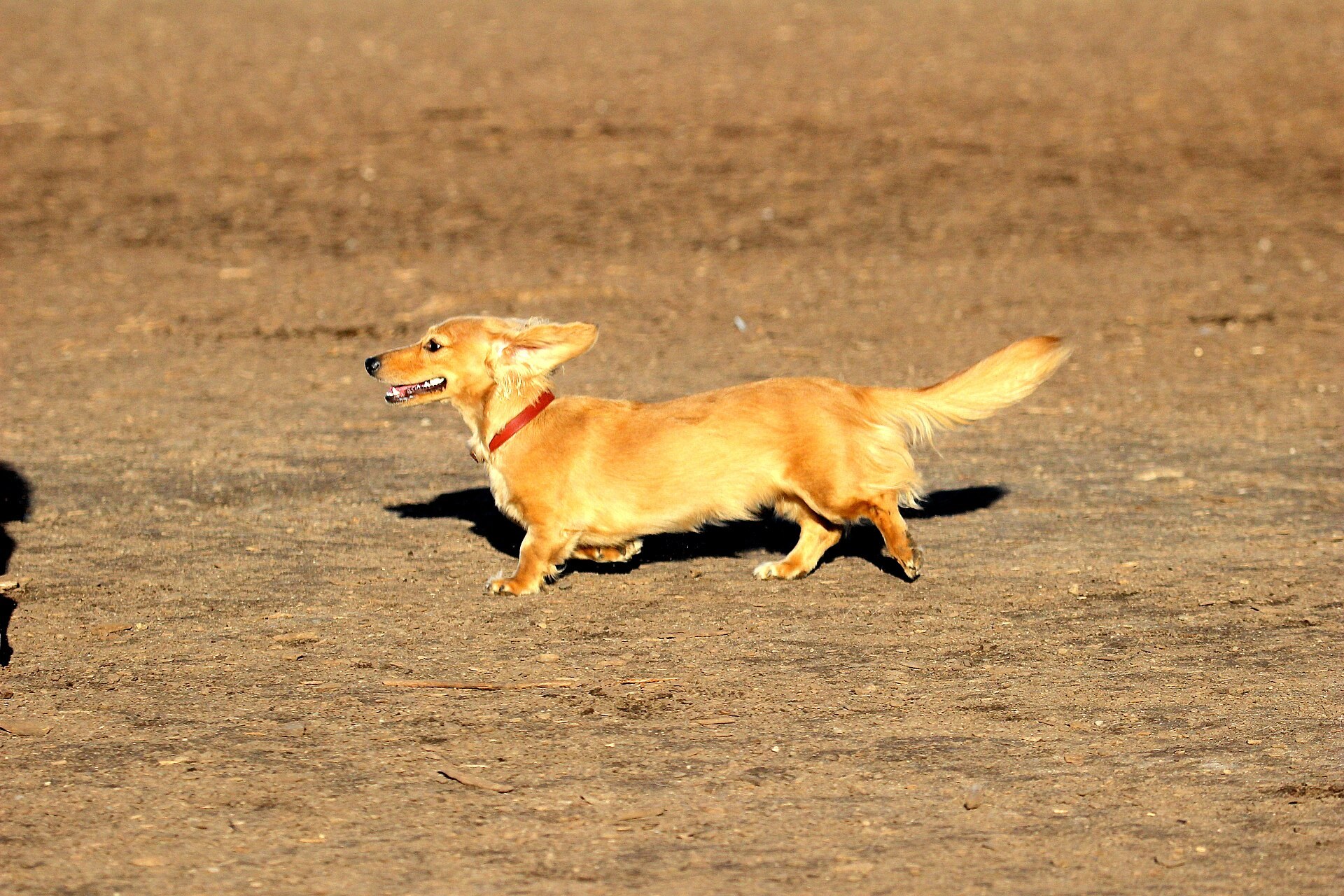
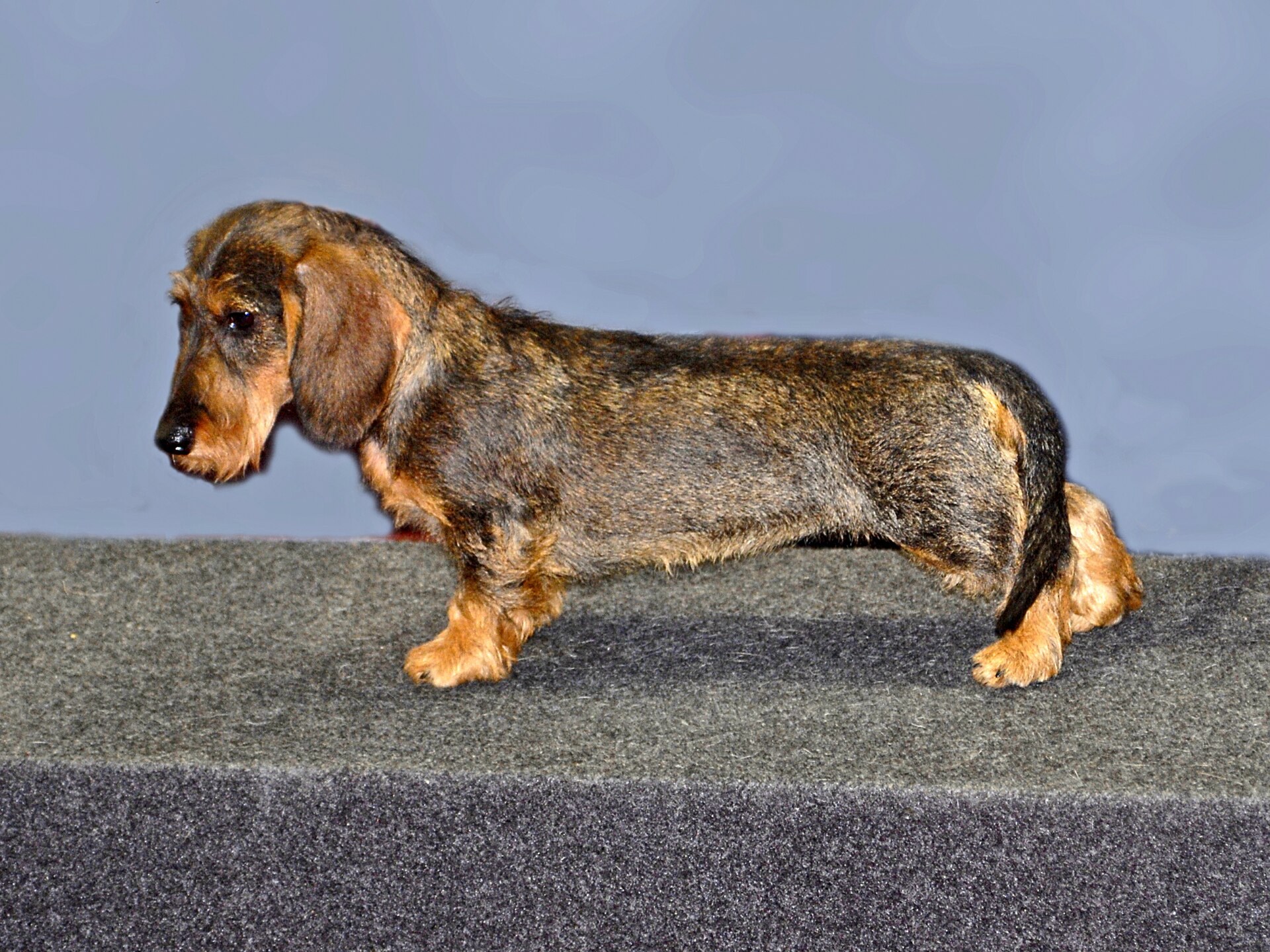
- Coats: Smooth, wirehaired, and longhaired
- Typical lifespan: Often listed around 12-16 years, with individual variation
- Temperament: Brave, lively, curious, affectionate, clever, alert, sometimes stubborn
- Best fit: Owners who want a small companion with real hound instincts and can manage back-safety habits
- Watch-outs: Prey drive, barking, digging, house-training patience, weight control, and back injury risk
- Dogthread category: Dog of the Day
What Dachshunds are like to live with
Dachshunds are small dogs with a working-dog ego. Many are affectionate lap companions at home, but they are still hounds: they notice scent, movement, visitors, squirrels, suspicious bags, and whatever is happening three houses down that nobody asked them to audit.
They often bond tightly with their people and like being part of household life. They can be playful, comic, cuddly, and surprisingly expressive. They can also be persistent. If a Dachshund has decided the couch, blanket, toy, smell, hole, or forbidden snack matters, the negotiation may require legal counsel.
The breed tends to fit owners who enjoy personality and are willing to provide structure. A Dachshund is usually not the best match for someone who wants a silent, soft, always-compliant toy dog. It is a hound in a compact package, not a throw pillow with legs.
Temperament and owner fit
A well-socialized Dachshund is often lively, affectionate, bold, and alert. Many are excellent companions for adults, couples, and families with respectful older children. They can do well in apartments or smaller homes if their barking is managed, their exercise is steady, and their day includes mental stimulation.
The best Dachshund owner has a sense of humor and boundaries. This is a dog that benefits from early training, calm handling, and rules that do not change every time the dog looks offended. Let a Dachshund rewrite the household constitution once and it will show up tomorrow with amendments.
Dachshunds may be less ideal for homes with unmanaged stairs, rough toddler handling, lots of unsupervised jumping, or people who expect a dog to obey without practice. They are clever, but clever does not automatically mean cooperative. It means the dog understands the assignment and is considering whether your compensation package is competitive.
Where the Dachshund came from
The Dachshund was developed in Germany as a hunting dog, especially for badger work. The name itself points to that original purpose. "Dachs" refers to badger, and "Hund" means dog. The breed's low body helped it enter burrows, while its long rib cage and strong front end supported digging and working in tight spaces.
The classic Dachshund temperament also came from the job. A dog sent underground could not wait for a handler to micromanage every decision. It needed courage, voice, persistence, and independent judgment. That helps explain why the modern breed can seem both devoted and self-directed.
Over time, Dachshunds became popular as companions as well as hunting dogs. Different coat types served different practical and regional preferences: smooth coats, wire coats with rougher protection, and long coats with a softer look and feel. Today, most people meet Dachshunds as family dogs, but the original badger-dog wiring still shows up in barking, digging, scent interest, and heroic confidence around things much larger than themselves.
Owner reality: the charming parts and the serious parts
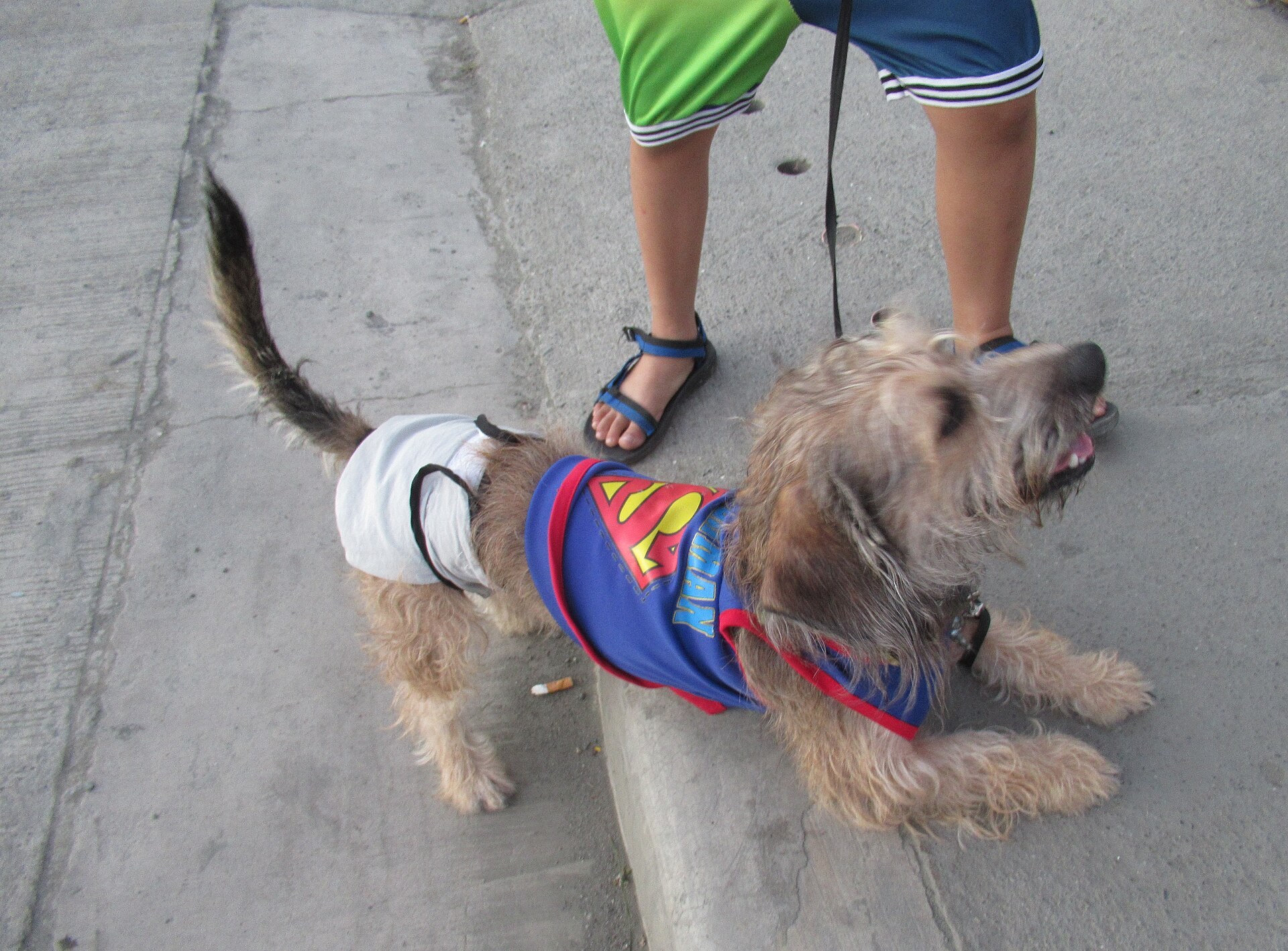
The charming parts are easy to sell. Dachshunds are funny, portable, loyal, expressive, and full of opinions. They can be wonderful couch companions, neighborhood celebrities, and household supervisors. Many have a dramatic streak that turns ordinary life into a one-dog courtroom.
The serious part is the back. Because of the breed's long body and chondrodystrophic structure, Dachshunds have a known risk for intervertebral disc disease and other back problems. Not every Dachshund will have a spinal injury, but the risk is real enough that owners should build habits around it.
That means keeping the dog lean, avoiding repeated high-impact jumping, using ramps or steps thoughtfully, supporting the body when lifting, keeping nails trimmed, and calling a veterinarian quickly for pain, weakness, wobbliness, reluctance to move, dragging feet, or sudden behavior changes. Internet advice should not be the treatment plan for a dog with possible back pain. That is how a small problem buys a boat.
Care notes: weight, back safety, coat, and daily rhythm
Dachshunds need regular exercise, but not reckless exercise. Short walks, sniffing, games, food puzzles, careful training, and controlled play are usually better than letting the dog launch repeatedly off furniture like a tiny stunt performer with no union.
Weight control matters more than many owners realize. Extra pounds put more stress on a long back and short legs. A lean Dachshund is not being deprived; it is being protected.
Coat care depends on coat type. Smooth Dachshunds usually need simple brushing and routine bathing. Longhaired Dachshunds need more attention to feathering and tangles. Wirehaired Dachshunds may need brushing and coat maintenance that can include hand-stripping or professional grooming, depending on the dog and owner goals.
All Dachshunds need the normal basics: nail care, dental care, ear checks, parasite prevention, appropriate food, veterinary checkups, and daily chances to move and think.
Training a Dachshund
Dachshunds are trainable, but they respond best when training is clear, short, and worth their time. Use rewards, consistency, and patience. Avoid long lectures. The dog is four inches from the ground and already has enough going on.
Start with name response, recall, leash manners, polite greetings, calm handling, crate comfort, and house-training routines. House training can take patience in some lines and individuals, so consistent schedules and supervision matter.
Because Dachshunds are hounds, recall deserves special attention. A good smell can make the rest of the world disappear. Practice in low-distraction spaces first, reward heavily, and do not trust an unfenced area just because the dog loves you. The dog does love you. The rabbit also has a compelling legal argument.

Barking is another common training topic. Dachshunds were bred to use their voices, so the goal is not usually to erase barking entirely. The goal is to teach workable patterns: quiet cues, predictable routines, enough enrichment, and less rehearsal of window-to-window security operations.
Fun quirks Dachshund people recognize
Dachshunds are famous for burrowing under blankets, acting larger than they are, announcing visitors, chasing small moving things, and finding the warmest spot in the house with suspicious precision.
Many love tunnels, dens, cushions, laundry piles, and blankets. That fits the breed's underground history a little too perfectly. Give a Dachshund a cozy burrow bed and it may disappear like a magician with rent due.

They can also be astonishingly dramatic. A damp sidewalk, a cold morning, a delayed dinner, or a closed door may be treated as a constitutional crisis. This is part of the appeal. You do not own a Dachshund for emotional minimalism.
Is the Dachshund a good family dog?
A Dachshund can be a good family dog when the household understands the breed. Respectful children, careful handling, supervised play, back-safe routines, and consistent training make a big difference.
They are not ideal for rough play, uncontrolled chasing, or children who want to carry the dog around like luggage. The dog's long body needs support, and its patience should not be treated as unlimited.
Dachshunds can live with other pets, but prey drive varies. Introductions should be careful, especially around small animals. Some Dachshunds are social little citizens. Some are convinced the backyard wildlife department reports directly to them.
Best lifestyle fit
Dachshunds often fit:
- homes that want a small dog with big personality
- owners who enjoy training and daily routines
- apartments or houses where barking can be managed
- people who can prevent reckless jumping and keep the dog lean
- families with children who can respect a small dog's body
- owners who want a companion that is funny, alert, and deeply involved
They are usually a poor fit for:
- people who want a very quiet dog
- homes that allow constant stair racing and furniture launching
- owners who dislike training persistence
- households with rough unsupervised handling
- anyone who wants a small dog with no hound instincts
Dachshund FAQ
Are Dachshunds good apartment dogs?
Yes, Dachshunds can be good apartment dogs because they are small and adaptable. Barking, exercise, and training still matter. A bored Dachshund beside a window can become a full-time neighborhood announcer.
Do Dachshunds bark a lot?
Many Dachshunds are vocal. The breed was developed to work and alert, so barking is common. Training, enrichment, and managing triggers can help reduce nuisance barking.
Are Dachshunds easy to train?
They are smart and trainable, but often independent. Short reward-based sessions, consistency, and patience usually work better than pressure or repetition for its own sake.
Are Dachshunds good with kids?
They can be good with respectful children. Supervision is important because Dachshunds have long backs and should not be squeezed, dropped, climbed on, or carried carelessly.
Do Dachshunds need a lot of exercise?
They need daily exercise and mental stimulation, but they are not endurance athletes. Regular walks, sniffing, games, and controlled play are usually better than high-impact jumping or rough activity.
What health issue should Dachshund owners take seriously?
Back health deserves special attention. Dachshunds are known for intervertebral disc disease risk. Keep the dog lean, reduce repeated jumping, support the body when lifting, and contact a veterinarian quickly if pain, weakness, wobbliness, or reluctance to move appears.
What is the difference between smooth, wirehaired, and longhaired Dachshunds?
They are coat varieties of the breed. Smooth coats are short and sleek, wirehaired coats are rougher and beard-like, and longhaired coats have softer feathering. Grooming needs vary by coat.
Dogthread verdict
The Dachshund is not just a cute long dog. It is a brave, clever, persistent hound with a body built for a strange and difficult job. That is why the breed has so much personality. It is also why the owner reality matters.
For the right person, today's Dog of the Day is affectionate, hilarious, loyal, portable, and endlessly memorable. For the wrong person, it is a barky little contractor who will dig under your patience and invoice you for the tunnel.
Respect the back, train the brain, manage the hound instincts, and the Dachshund can be one of the most entertaining companions in the dog world.
Sources and methodology
This Dog of the Day feature was written as editorial synthesis using the Dogthread framework, with live source checks for breed facts, history, and conservative back-health language. Sources reviewed included the American Kennel Club Dachshund breed profile and standard, Dachshund Club of America history material, Britannica's Dachshund overview, and Merck Veterinary Manual material on intervertebral disc disease and spinal-column disorders in dogs. Dogthread is not providing veterinary, breeder, or trainer advice; owners should consult qualified professionals for individual health or behavior concerns.