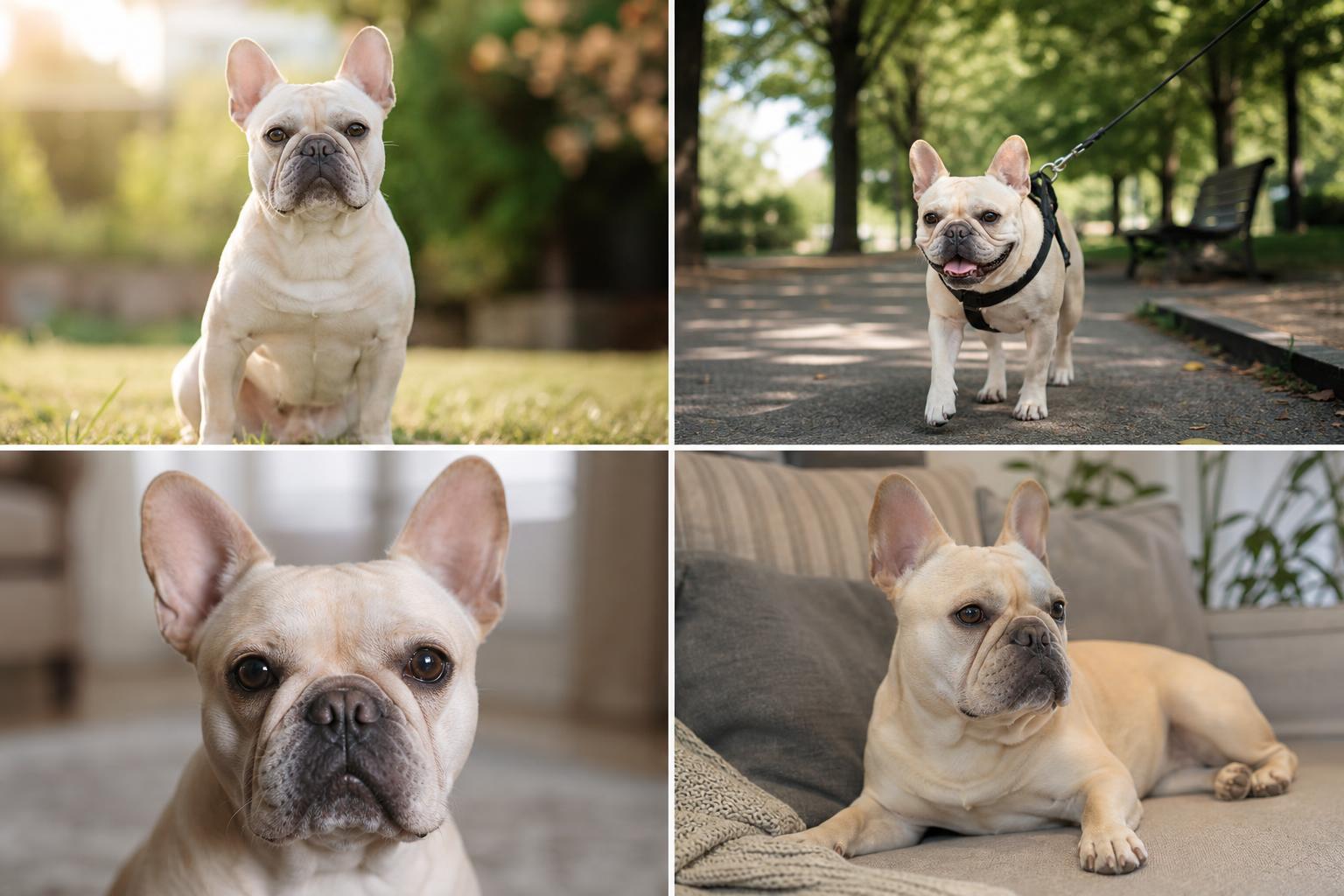
Dog of the Day: French Bulldog
The French Bulldog is small, sturdy, expressive, and somehow built like a loaf of bread that learned sarcasm. That is the charm: big bat ears, a comic face, a compact body, and a companion-dog personality that wants to be involved in whatever the household is doing.
For today’s Dog of the Day, the French Bulldog is not the pick because it is effortless. It is the pick because few breeds pack this much personality into such a city-friendly size. A good Frenchie is playful without needing marathon exercise, affectionate without usually being frantic, and funny in the way only a dog with a serious face and ridiculous ears can be funny.
The owner reality matters, though. French Bulldogs are brachycephalic, meaning their short faces can make heat, humidity, hard exercise, and breathing stress more serious than they are for many longer-nosed breeds. They can be wonderful companions, but they are not a “set it and forget it” dog.
Quick facts about the French Bulldog
- Breed group: Non-sporting / companion
- Typical size: Small but muscular
- Typical weight: Often under 28 pounds in breed-standard references
- Coat: Short, smooth, low-maintenance brushing needs
- Energy level: Moderate; playful bursts, not endurance work
- Temperament: Affectionate, alert, adaptable, comic, people-focused
- Best fit: Apartment dwellers, city homes, adults, families who understand heat limits
- Watch-outs: Heat sensitivity, breathing concerns, skin/ear care, stubborn streaks, potential medical costs
- Dogthread category: Dog of the Day
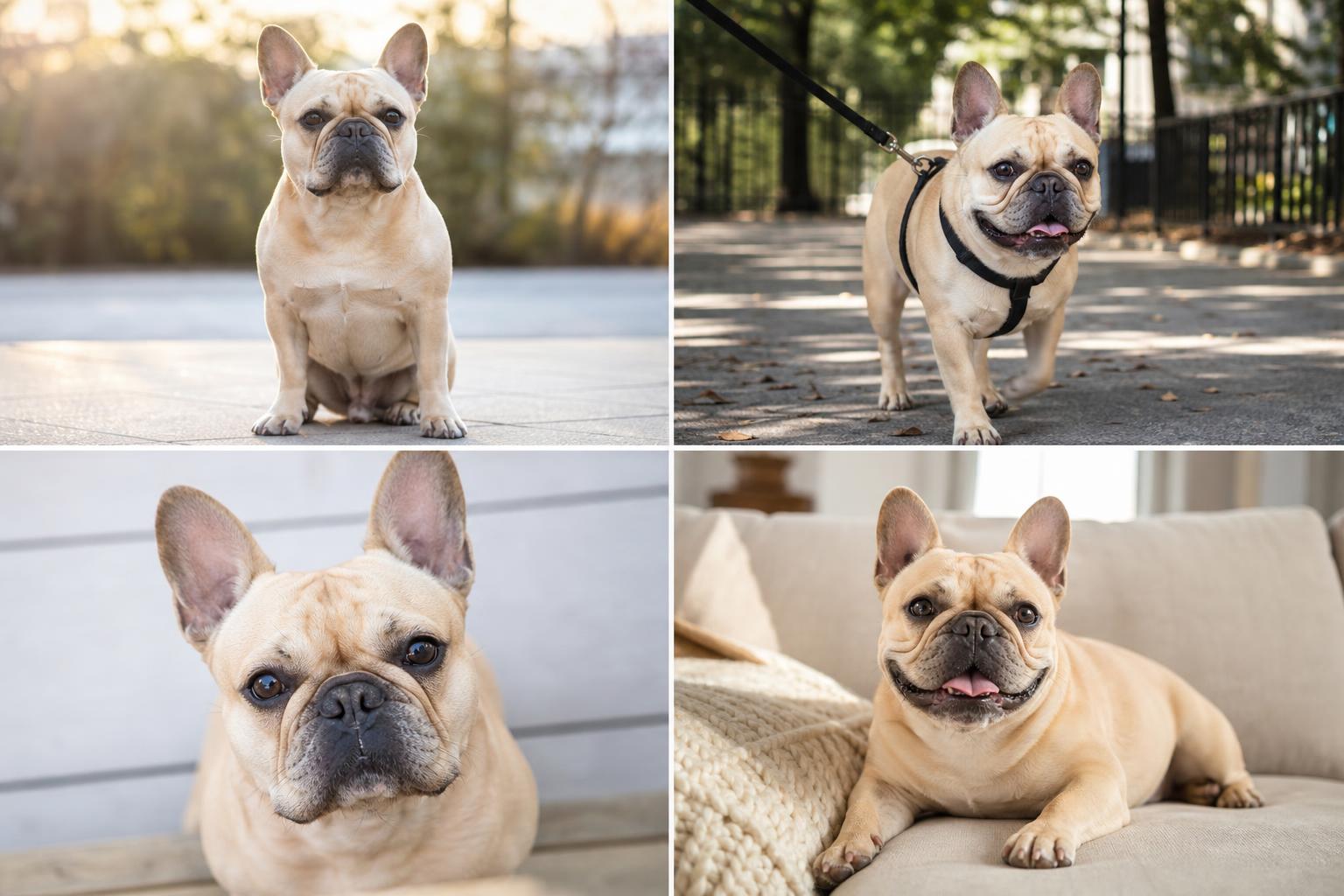
What French Bulldogs are like to live with
French Bulldogs are companion dogs first. They were not designed to cover miles behind a horse, herd sheep all day, or patrol a farm boundary until sunset. Their modern superpower is proximity. They want to be near the person, near the couch, near the kitchen, near the situation. If there is a family discussion happening, a Frenchie will usually vote to chair the committee.
That makes them a strong fit for people who want a dog with personality but do not want a high-mileage sporting or herding breed. Most Frenchies enjoy play, short walks, training games, and household routines. Many are happy in apartments because they do not need a huge yard to feel fulfilled.
The tradeoff is that they need careful management. Their short muzzle can make breathing and cooling less efficient. Hot weather is not a minor inconvenience for this breed; it can become dangerous quickly. A Frenchie owner needs to think about shade, water, air conditioning, walk timing, body condition, and signs of distress.
Temperament and owner fit
A well-socialized French Bulldog is usually affectionate, playful, alert, and adaptable. They are often described as even-tempered little clowns, which is basically polite breed-writing for “this dog will do something weird and then look at you like you’re the problem.”
Frenchies can fit many homes, but they are best for owners who want a close companion and are willing to manage the breed’s limits. They often do well with families, singles, couples, and older owners, provided children are taught to respect the dog’s body and rest time.
They are less ideal for people who want a running partner, a heat-tolerant hiking dog, or a low-cost breed with minimal health considerations. They are also not the best match for someone who wants a dog that can be left alone for long stretches every day without much interaction.
Where the French Bulldog came from
The French Bulldog’s story crosses England, France, and America. Breed historians generally trace the foundation back to smaller bulldog-type dogs in England. During the Industrial Revolution, some lace workers from Nottingham moved to France and brought small bulldogs with them. In France, these compact companions became popular around working-class neighborhoods and later in Parisian social life.
Over time, the breed became more distinctly French in type: smaller, companionable, and famous for its upright “bat ears.” American fanciers helped emphasize the bat-ear look in the breed standard, which is why the ears are now one of the Frenchie’s most recognizable features.
The result is a breed with a working-class, city-dog, cafe-table kind of history. Not every breed was built to drag nets, guard estates, or sprint after game. Some were built to sit beside people, entertain them, and turn an ordinary room into a slightly more dramatic room.
Owner reality: the cute parts and the serious parts
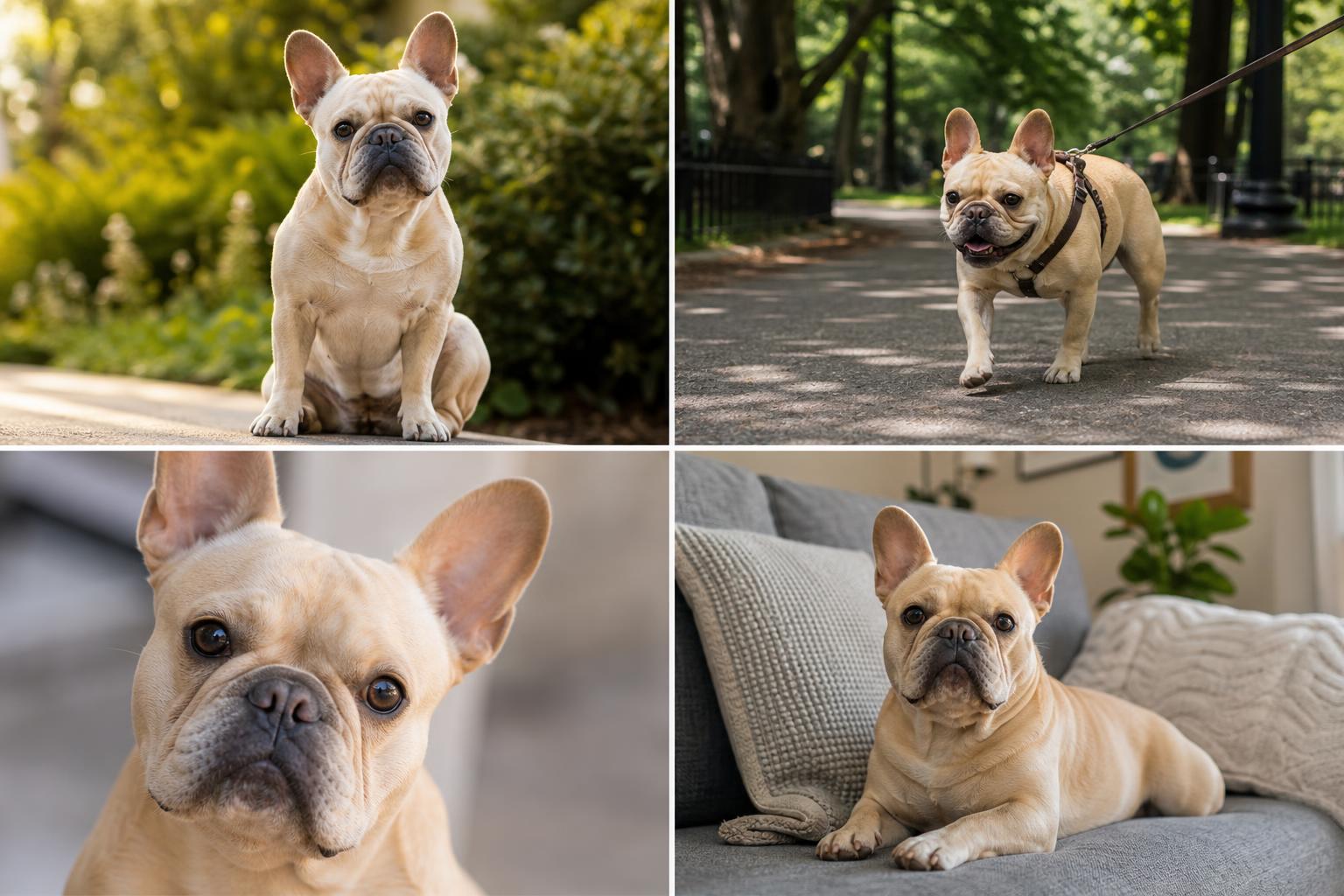
The cute parts are obvious. French Bulldogs are compact, photogenic, expressive, and highly companionable. They often have a dry little sense of presence: the dog is just sitting there, but somehow the room feels judged.
The serious parts are just as important. Frenchies can be prone to breathing difficulty, heat stress, skin fold irritation, ear issues, allergies, spinal concerns, and other health problems. Not every Frenchie will face every issue, but the breed has enough known risk that owners should plan for preventive care, a trusted veterinarian, and realistic insurance or emergency-fund thinking.
Weight control matters too. A Frenchie carrying extra weight has to work harder to move and breathe. Keeping the dog lean, conditioned, and comfortable is not about looks; it is part of basic health management.
Care notes: heat, breathing, grooming, and daily rhythm
The biggest care rule is simple: French Bulldogs need conservative heat management. Walk them during cooler parts of the day, avoid hard exercise in warm or humid weather, keep water available, choose shade, and stop before the dog looks exhausted. Heavy panting, weakness, collapse, blue or pale gums, vomiting, confusion, or severe distress should be treated as urgent veterinary concerns.
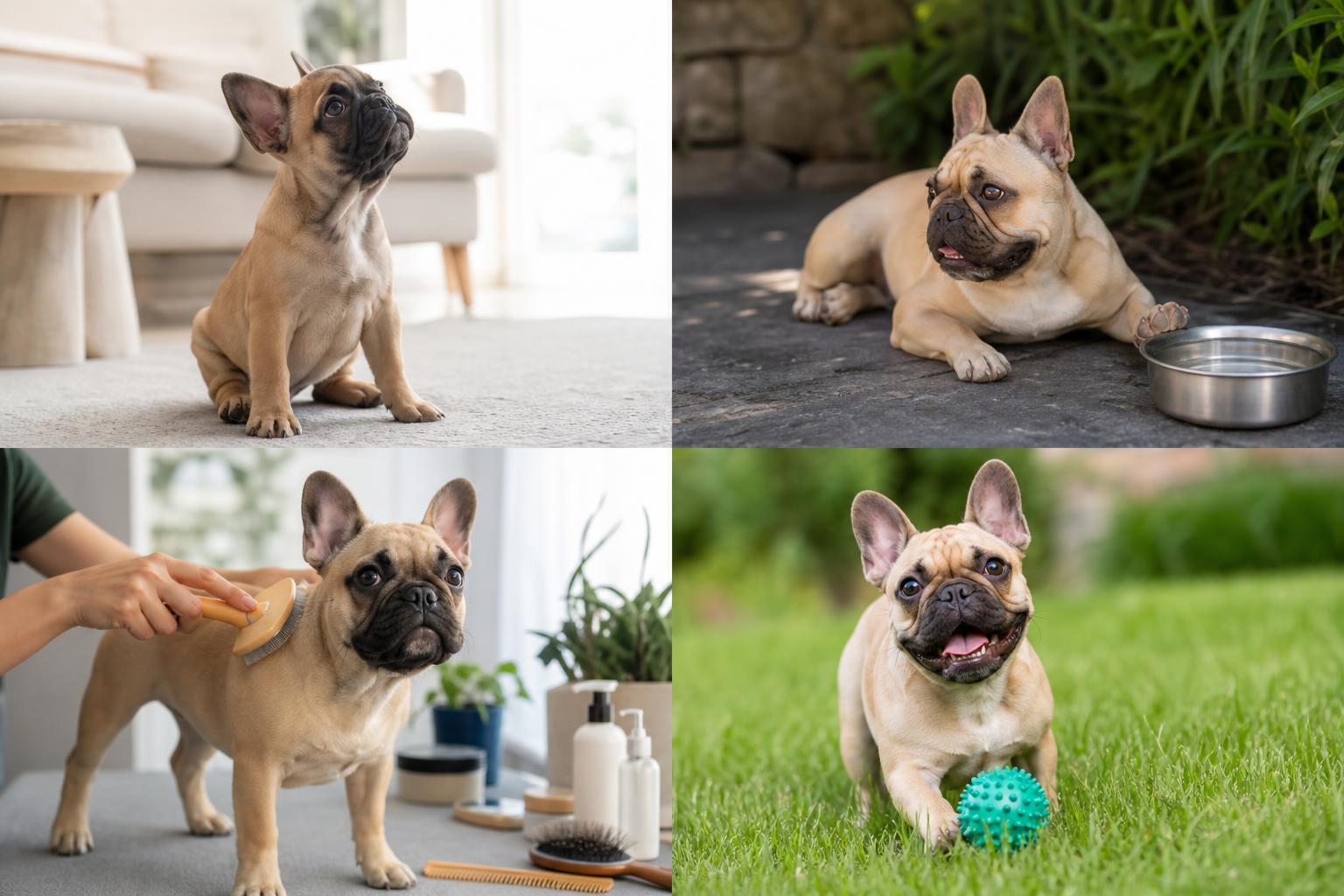
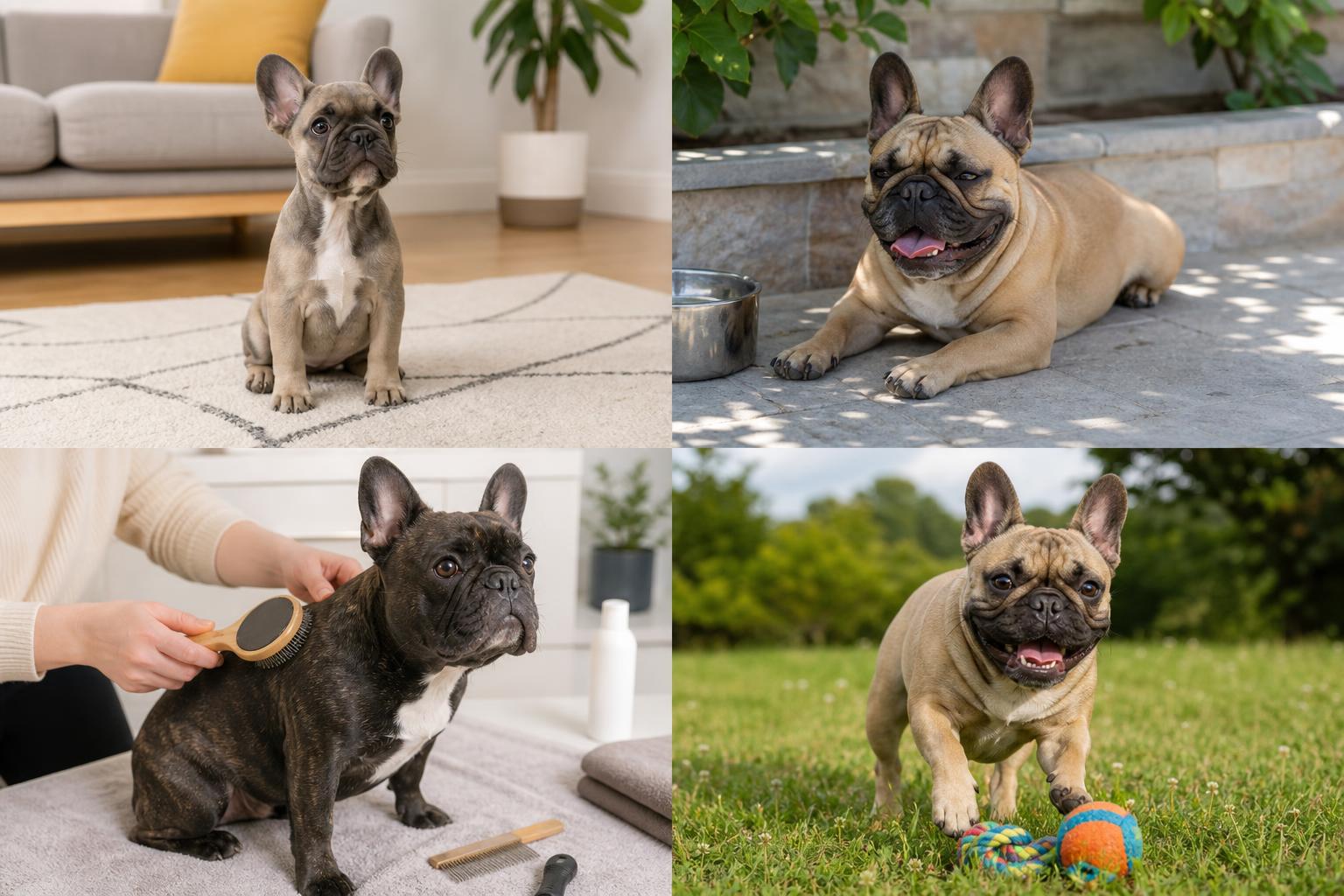
Grooming is easier than with many long-coated breeds. Their short coat usually needs routine brushing, occasional baths, nail care, ear checks, and attention to facial folds if the individual dog has folds that trap moisture or debris. Skin irritation should not be ignored or treated with internet witchcraft. If it looks angry, smells bad, spreads, or bothers the dog, call a vet.
Exercise should be regular but sensible. Think short walks, sniff time, indoor play, food puzzles, and training games rather than long runs. A bored Frenchie can become pushy or destructive, but the answer is usually smarter enrichment, not military boot camp.
Training a French Bulldog
French Bulldogs are trainable, but they are not usually robotic obedience dogs. They respond best to short, positive sessions with clear rewards and a sense that the exercise is worth their royal attention.
Start early with name response, leash manners, crate comfort, handling, calm greetings, and polite waiting. Keep sessions brief. Reward the behavior you want. Avoid turning every correction into a negotiation with a tiny union representative.
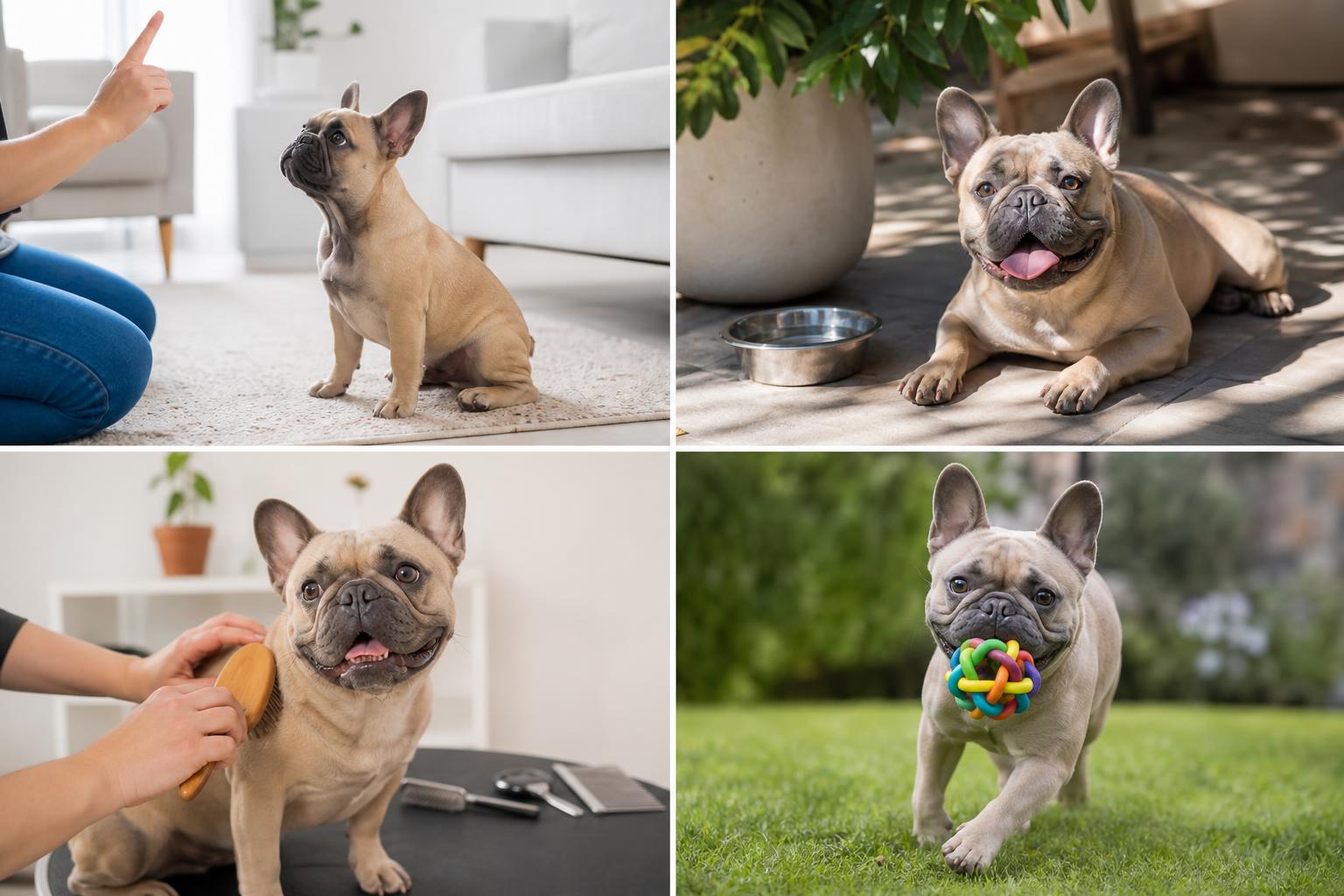
Socialization matters, especially for a breed that can become overly attached or opinionated. The goal is not to force the puppy into overwhelming situations. The goal is steady, calm exposure to normal life: different surfaces, noises, people, polite dogs, grooming handling, car rides, vet-style touches, and being alone for short periods.
Fun quirks Frenchie people recognize
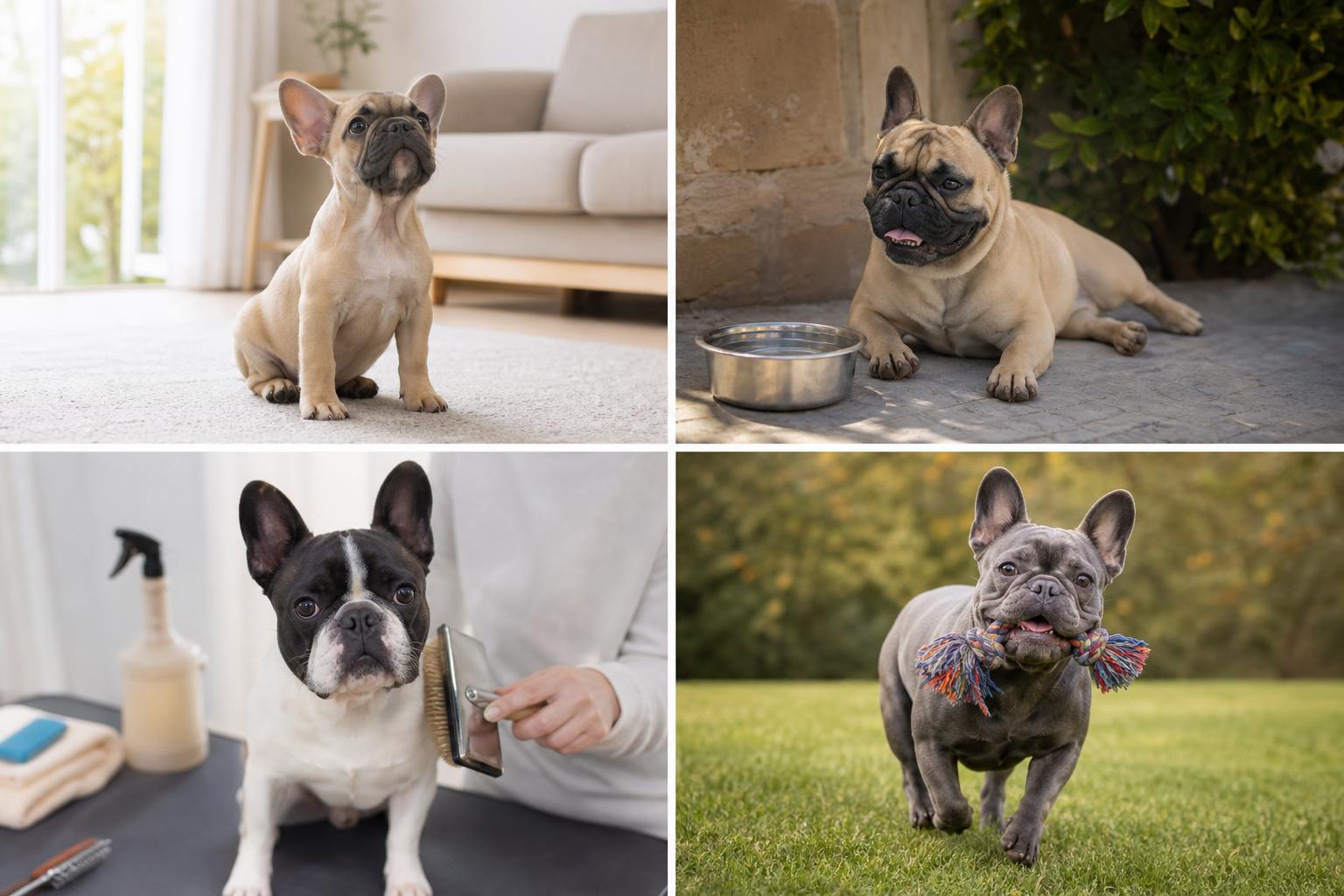
French Bulldogs are famous for big expressions, sudden play bursts, dramatic lounging, strange noises, and the ability to make a normal household task feel like a supervised inspection. Many are surprisingly alert and will announce visitors, delivery drivers, suspicious leaves, and the deeply personal betrayal of a closed bathroom door.
They also tend to be physically funny dogs. The combination of compact build, giant ears, and serious facial expression gives them permanent sitcom energy.
Is the French Bulldog a good family dog?
A French Bulldog can be an excellent family companion in the right home. The best matches are families that want an indoor companion, can supervise children, avoid rough handling, and understand the breed’s heat and health limitations.
They are not ideal for families who want a dog to run hard in hot weather, spend long days outside, or tolerate chaotic handling from toddlers without guidance. Like any dog, a Frenchie needs structure, rest, training, and respect.
Best lifestyle fit
French Bulldogs often fit:
- apartment and condo living
- city owners who prefer short walks and indoor companionship
- people who want a playful but not high-endurance dog
- homes that can provide air conditioning or reliable cooling
- owners comfortable with regular veterinary care and possible breed-related costs
They are usually a poor fit for:
- distance runners looking for a canine training partner
- hot outdoor lifestyles
- owners who want an extremely low-maintenance health profile
- people who are away all day and want an independent dog
- anyone unwilling to manage heat conservatively
French Bulldog FAQ
Are French Bulldogs good apartment dogs?
Yes, French Bulldogs are often good apartment dogs because they are small, companion-focused, and do not require a large yard. They still need daily walks, training, enrichment, and careful heat management.
Do French Bulldogs need a lot of exercise?
No. Most Frenchies need moderate, sensible exercise: short walks, play sessions, sniffing, and training games. They should not be pushed into hard exercise, especially in warm or humid weather.
Are French Bulldogs easy to train?
They can be trained well with patience, rewards, and short sessions. They may be stubborn or selective, so consistency matters. Make the right behavior easy and rewarding.
Do French Bulldogs shed?
Yes, French Bulldogs shed, though their short coat is usually easier to maintain than many longer coats. Routine brushing helps manage loose hair and keeps the coat in better condition.
Are French Bulldogs healthy dogs?
French Bulldogs can be loving, happy companions, but the breed has known health concerns, especially around breathing, heat tolerance, skin, ears, and structure. Prospective owners should work with a veterinarian and choose breeders or rescues carefully.
Can French Bulldogs handle hot weather?
They are not heat-tolerant dogs. Because of their short-faced anatomy, Frenchies can overheat more easily than many breeds. Use shade, water, cooling, short walks, and conservative judgment. If a dog shows signs of heat distress, seek veterinary help quickly.
Are French Bulldogs good with kids?
Many are good with respectful children, but supervision is important. Children should not climb on, squeeze, chase, or wake the dog roughly. Small dog does not mean stuffed animal. Apparently this still needs saying.
Dogthread verdict
The French Bulldog is a charming, funny, people-loving companion with one of the most recognizable silhouettes in dogdom. The breed’s appeal is real: compact size, expressive face, adaptable nature, and a personality that can make a quiet apartment feel busy in the best way.
But the responsible verdict has two sides. A Frenchie is not just an aesthetic choice. It is a breed that needs careful heat management, realistic veterinary planning, gentle training, and an owner who respects physical limits.
For the right person, today’s Dog of the Day is a brilliant little companion. For the wrong person, it is an expensive lesson with ears.