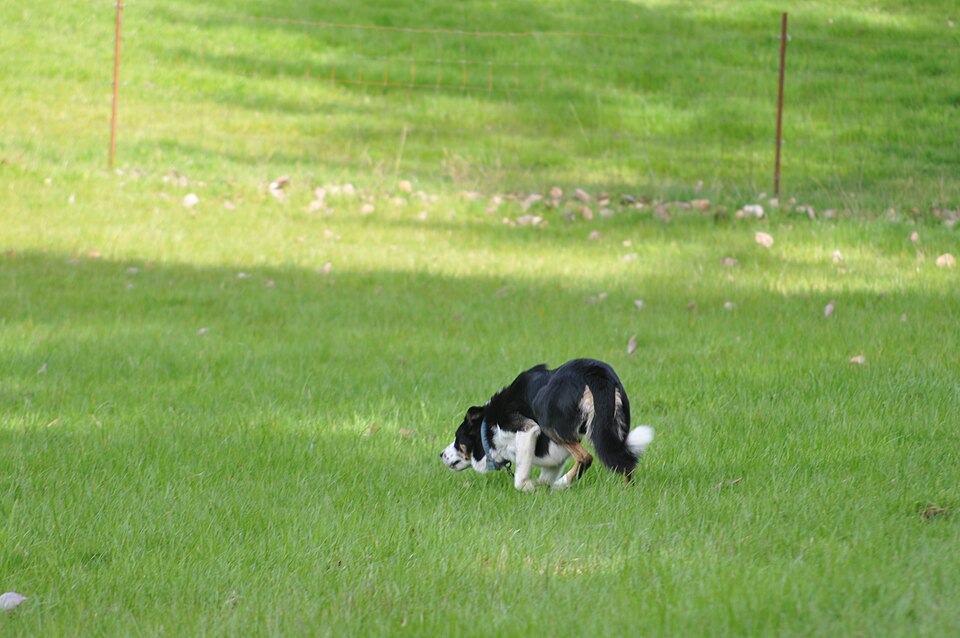
Dogs Life: Border Collie — A Purpose-Bred Life in Its Prime
I was born where the hills did not end neatly.
They rolled away in rough-backed folds, green where the grass held, brown where the heather and peat showed through, and white whenever the sheep lifted their heads together. The wind came over the high ground with rain in it. The stone walls were older than my master. The lambs were foolish in spring, the ewes were harder in the eye than strangers guessed, and a dog who could not think while running was no use there.
I was a Border Collie, though no one in the yard wasted much breath saying it. To the shepherd I was a pup out of useful blood: a black-and-white thing with quick feet, a weatherproof coat, a sharp ear, and too much attention in my skull. My worth would not be settled by my markings or by how handsome I looked at the door. It would be settled on the hill, behind sheep that did not want to move, in weather that did not care whether a man was tired.
The breed was made for that country. Not for show. Not for softness. For work that needed a dog quiet enough not to scatter a flock, hard enough not to quit, clever enough to feel pressure before the shepherd shouted, and biddable enough to take a whistle across a valley.
That was the life I was bred into.
Puppyhood in the Sheep Country
My first memories were smells: lanolin on wool, milk in the lambing shed, wet straw, iron gate, leather, smoke from the farmhouse chimney, and the old dogs coming in at night with rain shining on their backs.
There were three of us pups. We tumbled under a cart, bit ears, worried at bootlaces, and fell asleep against one another when our legs had emptied out. But even then, the sheep pulled at me. If a ewe moved beyond the hurdle, my head followed. If a lamb bolted, my body started before I knew I had decided.
The shepherd saw that. He did not praise it much. Men who make their living by weather and livestock do not clap for raw instinct. Instinct is only the first coin on the table.
He watched how I watched. That mattered. A hill dog needed more than speed. A fast fool could ruin a morning. The good ones had balance: the sense of where to stand so sheep moved toward the man instead of away from him. They had eye: the steady, concentrated stare that could settle sheep without teeth. They had feel: knowing when to come on, when to lie still, when to widen out so the flock gathered cleanly.
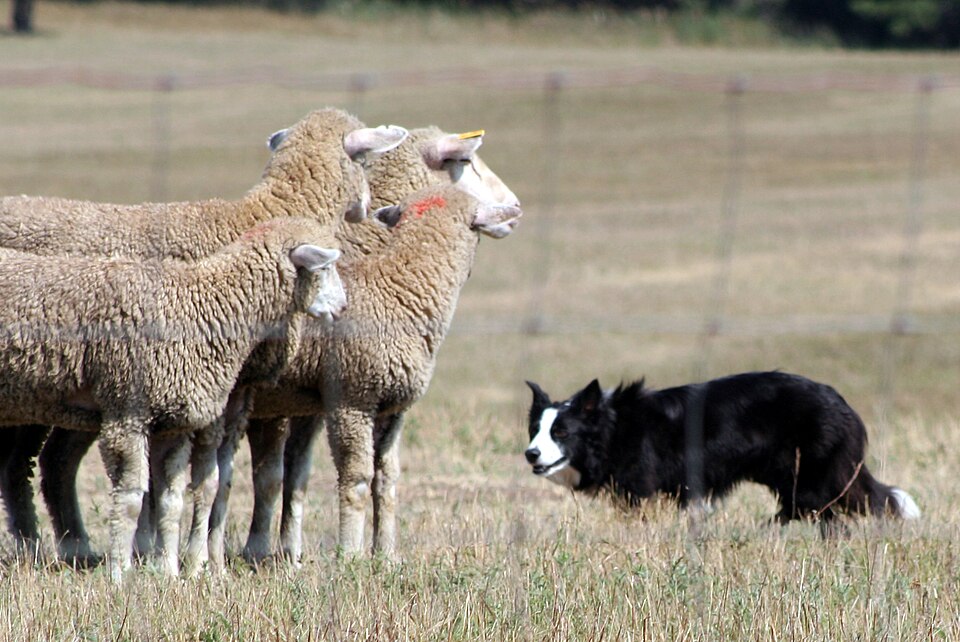
We were not bred to attack sheep. We were bred to control them. That is a different thing entirely.
A hard-biting dog made trouble. A noisy dog made panic. A dog with no courage got walked over by a bold ewe. The useful dog had to carry pressure like a hand carries a crook: firm, exact, and ready to ease the instant the job allowed.
The First Lessons
My training began before I understood it was training.
The shepherd called my name at feeding time. He made the sound mean food, warmth, and his hand. Then he made it mean come. Then stop. Then wait. I learned his step, his temper, the set of his shoulders when he was about to send me, and the quiet note in his voice when he meant business.
The older dog taught me as much as the man. Meg was gray around the muzzle and plain as a gate hinge, but sheep shifted for her as if the hill itself had leaned. She never wasted a yard. She did not rush into the middle of the flock. She curved out, low and wide, and the sheep gathered because there was nowhere better to go.
When I was first put to a small group in a close field, I made every mistake a young dog can make. I came in too tight. I split two ewes from the rest. I forgot the man and chased the movement. The shepherd's voice cracked across me. Down.
I dropped.
That word saved more sheep than speed ever did.
In time, I learned the shape of commands. A call to go clockwise around the flock. Another to go the other way. A whistle to stop. A softer sound to walk on. A sharp correction when I tried to work for myself instead of with the man.
The work asked for obedience, but not the empty kind. The best dog had initiative under command. If the sheep broke behind a ridge where the shepherd could not see, I still had to cover them. If a lamb doubled back through rushes, I had to read it. If the wind took the whistle, I had to remember the job.
That was why our kind was selected so carefully. A hill shepherd did not need a decorative dog. He needed another mind on the hill.
Why We Were Made This Way
The border country shaped us because the work was too large for a man alone.
On small flat fields, a shepherd can do much with fences, gates, and his own legs. On the hills along the Anglo-Scottish borderlands, sheep spread across rough ground, burns, outcrops, folds, and long slopes where a man lost half a day walking what a dog could cover in minutes.
A good Border Collie turned distance into reach.
My body was built for it. I was light enough to run all day without pounding myself to pieces, strong enough to face weather, low enough to move with stealth, and quick enough to correct a break before it became a scatter. My coat shed rain. My feet found grip on wet grass and stone. My ears caught small changes in whistle and voice. My eyes held the sheep without needing to crash into them.
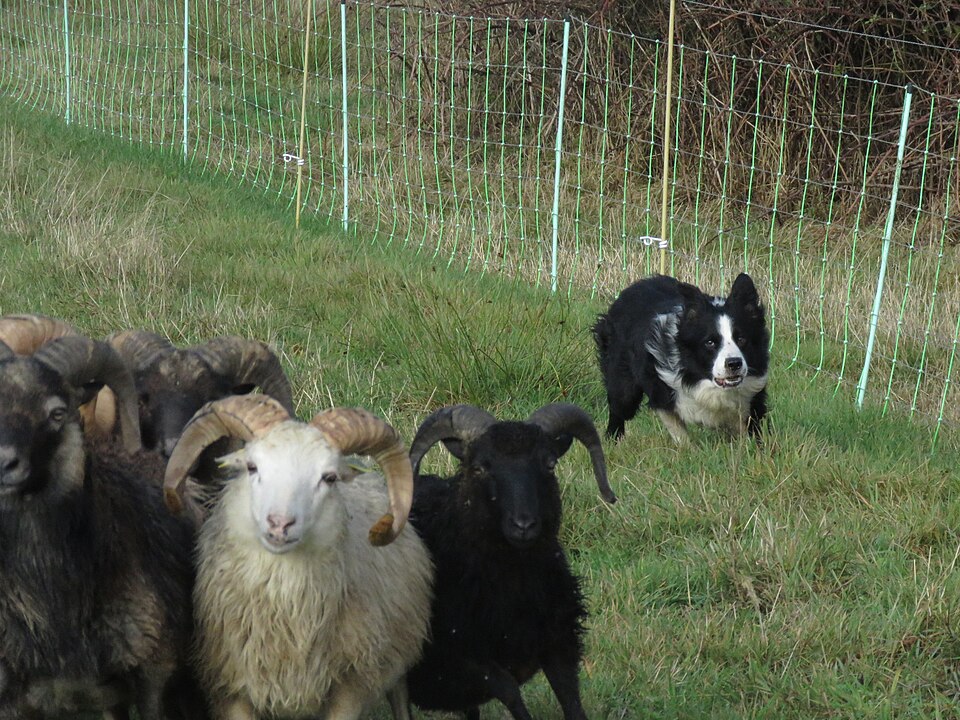
The shepherds bred from dogs that worked. That was the simple law. Dogs that gathered well, listened well, stayed sound, and kept their heads were worth breeding. Dogs that panicked sheep, ignored commands, tired too soon, or used their teeth badly were not.
Over generations, that choosing made a dog with a particular hunger. We wanted the moving edge of the flock. We wanted the gap closing. We wanted order made out of white backs and sudden decisions.
People call that intelligence now. It is, in part. But it is also appetite. My mind was happiest when the world had a job in it.
My First Real Gather
The first time I was sent far, I felt the air change.
The flock was scattered above a burn, tucked into dips and rough grazing where the lambs disappeared whenever the ground folded. The shepherd stood below with his crook and his cap pulled low. Meg was lame that week. I was young, fast, and not yet trusted enough to know I was not trusted.
He sent me left.
The hill opened beneath my feet. I ran wide because I had been corrected often enough to know that tightness spoiled everything. The sheep lifted their heads. One ewe stamped. Another turned uphill. I bent farther out, keeping the pressure on their shoulders, feeling the point where they would break if I came too close.
There is a place behind sheep that belongs to the dog. Find it, and they draw toward the shepherd as water draws downhill. Miss it, and the flock spills sideways.
I found it badly at first, then better. A whistle stopped me. Another brought me on. The ewes began to gather. Lambs ran to mothers. The white spread pulled into a moving knot.
Halfway down, a black-faced ewe tried me. She turned, lowered her head, and stamped. My blood came up hot, but I did not grip. I held. I lowered myself until my chest nearly brushed the grass, eyes fixed, every muscle waiting.
She turned back.
At the gate, the shepherd said only, Good.
It was enough to carry for a week.
The Prime Years
In my best years, the hill belonged to our partnership.
Not to me alone. A dog who works for himself is only a problem with legs. Not to the shepherd alone either. No man could be in three places at once, and sheep know that better than men do.
Together, we were larger than either body.
I learned his whistles until they entered me faster than words. Come by. Away. Lie down. Walk on. Steady. That'll do. A short blast could stop me at a dead run. A long note could send me wider. Sometimes I saw the problem before the whistle came, and sometimes he trusted me to answer it.
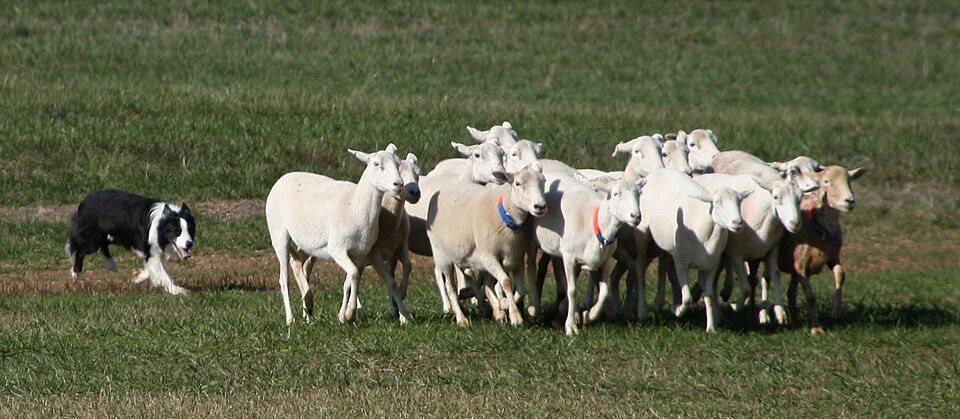
Spring was lambing, wet knees, sharp cries, and ewes heavy with trouble. I helped bring in the ones that needed watching. I moved pairs gently because a frightened ewe could leave a lamb, and a lamb left too long on cold ground could be gone before noon.
Summer brought clipping and gathering from high pasture. The sheep were lighter then, quicker, spread wide and stubborn in the heat. I learned to pace myself. A young dog burns like straw. A seasoned dog burns like peat: slower, steadier, harder to put out.
Autumn was sorting, markets, tupping time, and hard decisions made in yards. Winter was short light, crusted snow, feed carried out, and the work of finding sheep tucked behind walls or dropped into hollows out of the wind.
The value I delivered was not romance. It was time, money, safety, and survival.
I saved the shepherd miles of walking. I got sheep in before weather broke. I kept ewes and lambs together. I helped one man manage ground that would have needed several men without dogs. At market time, a clean gather meant less weight lost to stress and less chaos in the pens. During storms, finding sheep quickly could mean living animals instead of frozen losses.
That is what a working dog was worth: not affection alone, though we had that, but labor made possible.
The Work in the Yard
People remember the wide outrun on the hill, but much of a sheepdog's usefulness was close and cramped.
In the pens, sheep pressed shoulder to shoulder, thick with heat and smell. The air filled with dust, wool grease, dung, and the knock of hooves on boards. A dog had to be careful there. Too much pressure jammed the race. Too little let sheep turn back.
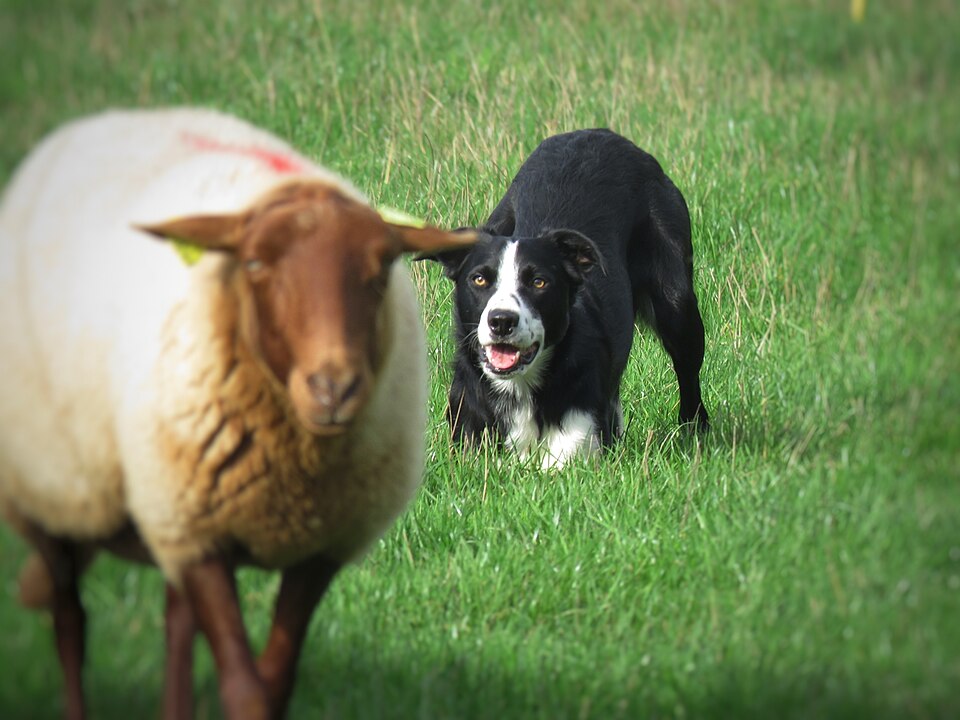
I learned to slide along a fence, to hold a gate, to cover a gap, to push without noise. Sometimes I worked under the shepherd's hand. Sometimes under his boot. Sometimes I had to back sheep from a corner without biting, just by making myself impossible to ignore.
This was where biddability mattered most. On the open hill, instinct could carry a dog a long way. In the yard, self-control carried him farther. One wrong rush and sheep piled, men shouted, boards cracked, and the whole place became a sermon on foolishness.
The shepherd trusted me because I learned to turn myself down.
That, too, was bred into the best of us: not just drive, but the capacity to be governed.
Partnership With the Shepherd
My master was not a soft man, but he was a fair one.
His hands were cracked by weather. His coat smelled of wool, tobacco, rain, and the pony he no longer used much because he had dogs. He knew every broken wall, every bad gate, every ewe with a habit of slipping left. He knew when clouds over the western ridge meant rain before dark and when a lamb's cry meant hunger rather than ordinary complaint.
I knew him in ways no neighbor did.
I knew the tiredness in his step before he sat down. I knew when his whistle was sharp from anger and when the wind had cut it thin. I knew that if he spoke low, I had better listen harder. At night, I slept near the door, and when he rose before light, I rose with him.
We were not sentimental about work. The sheep did not move because of feelings. But between a shepherd and a good dog there is a kind of plain love made of repetition. Send and return. Command and answer. Trust given, proven, and given again.
A stranger might have seen only obedience. He would have missed the conversation.
The Hard Days
Not every day made a fine story.
There were days when fog swallowed the top of the hill and sound came strangely, so a whistle seemed to arrive from nowhere. There were days when lambs slipped into burns and came out weak. There were ewes that fought like stones. There were sheep lost despite searching, and the shepherd's face closed around the loss.
There was one winter day when sleet drove sideways and the flock had drifted against a broken wall. The shepherd sent me into weather that flattened my ears and stung my eyes. The sheep were not wicked. Sheep seldom are. They were cold, frightened, and pressed by instinct to stay where others stood.
I had to lift them without scattering them.
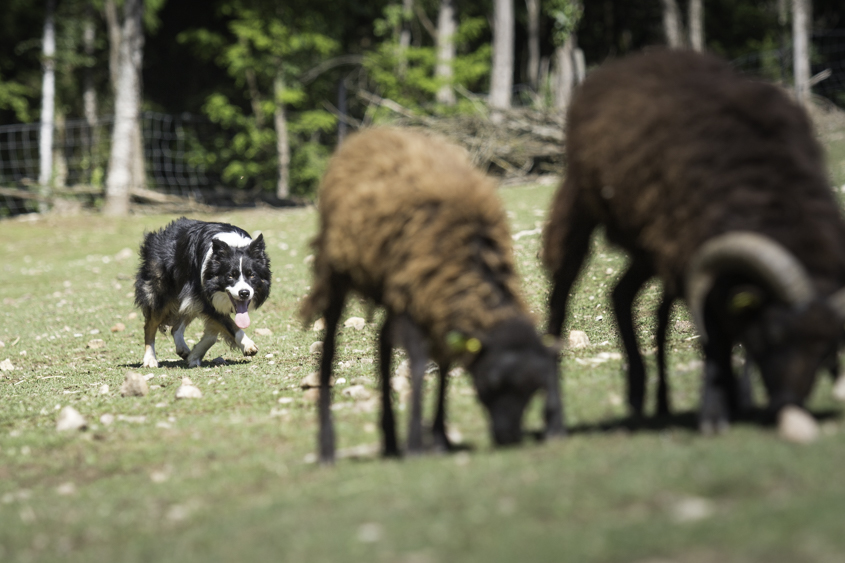
I widened, came in, dropped, came on again, feeling the flock as one body made of many minds. Too much force and they would split. Too little and they would freeze. The shepherd worked from below. I worked from above. Slowly, the mass peeled away from the wall and moved toward lower ground.
By dusk, they were in.
That night I slept so deeply I did not hear the cat cross the room.
Trials and Reputation
The sheepdog trials came later in my life, when men gathered to see which dogs could do cleanly in public what useful dogs did privately for their bread.
A trial was not the hill, not exactly. The sheep were strange. The field was marked. Men watched. But the bones of the work were the same: outrun, lift, fetch, drive, shed, pen. Distance, feel, obedience, courage.
Some dogs disliked the crowd. I cared only for the sheep and the shepherd's whistle.
Trials mattered because they showed what shepherds valued. Flash alone did not win respect. A dog had to gather with sense, move sheep in straight lines, hold pressure without panic, and take direction at distance. The work preserved the standard better than pretty words could.
The old stories said the name Border Collie came into formal use in the early twentieth century, after shepherds and trial men had already spent generations shaping the dog itself. Names are late. Work comes first.
My blood, like the blood of many of my kind, was judged by usefulness before it was judged by paper.
What My Traits Cost Me
Humans like to name virtues as if they are free.
Drive. Intelligence. Sensitivity. Stamina. Eye. Trainability.
They were gifts, yes, but they also governed my life. I was not made to drift through days with nothing asked of me. Stillness was easiest after work. Rest was sweetest when earned. A gate left open, a child running, hens scattering, sheep moving in a far field: all of it entered my body as unfinished business.
That is the truth of a purpose-bred dog. Selection gives power, but it also gives need.
I did not envy the house dogs in town, fat by the fire and praised for existing. I had the hill. I had a man who knew what I was. I had the clean satisfaction of bringing order from motion.
But if I had been born into a life with no work, no training, no outlet for my attention, I would have been trouble. Not bad. Trouble. There is a difference.
The breed's brilliance came from a bargain: give the dog meaningful work and partnership, and he will give back more than muscle. Give him nothing to do, and the very traits people admire may turn against the household.
Old Age
Age came first in small betrayals.
A missed stone. A longer sleep after a gather. Stiffness when I rose. The young dog, Moss, began taking the longer casts while I handled closer work. At first I resented him. He was all legs and certainty, wrong as often as right, and far too pleased with his own speed.
Then I saw myself in him and forgave him nothing, which is how old dogs teach.
I showed him without meaning to. How wide to go. How still to lie. How not to answer a ewe's challenge with anger. How to listen when the shepherd's whistle was nearly lost in wind.
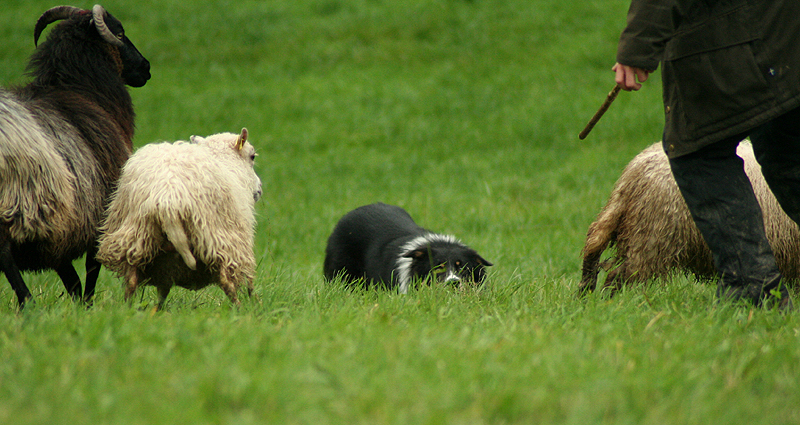
My master used me differently then. I held gates. I brought small groups. I settled lambs near the yard. I lay where I could see the work and feel its shape, even when Moss was the one running the hill.
A dog does not stop being what he is because his legs shorten their reach.
One evening, after a clean gather that Moss had mostly done well, the shepherd sat on the step and put his hand on my head. He did not say much. He never had. The hills were darkening. Sheep moved in the field below us like torn wool in the last light.
I leaned into his boot.
Legacy
My life did not leave monuments.
It left lambs brought in before weather. Ewes mothered safely. Markets reached with sheep in good order. Days shortened for a tired man. Ground made manageable. A young dog corrected by example. Pups, perhaps, with my eye or my balance or my habit of widening at the right moment.
That was enough.
The Border Collie was created because human life in sheep country needed more reach than human legs could provide. Shepherds selected for dogs that could gather, read stock, take direction, endure weather, and think at speed without losing obedience. Those choices changed everything about daily life for a dog like me. My body, mind, rest, hunger, training, and partnership were all shaped by the same demand: move sheep well, with the least waste and the least harm.
I was not a symbol first. I was a worker.
If I had pride, it was not in being clever. Cleverness by itself is a parlor trick. My pride was in the flock coming down clean, the gate closing before dark, the shepherd turning home because the work was done.
That is the story of my kind at our best: eye, heart, obedience, weather, sheep, and a man on a hill who could do more because a dog ran out ahead of him.
Historical grounding notes
This Dogs Life story is a historically grounded reconstruction, not a claim about one documented individual dog. It draws on the Border Collie's development as a sheep-working dog in the Anglo-Scottish borderlands and wider British sheep country, including the breed's selection for gathering instinct, eye, stamina, biddability, stock sense, and distance work.
The story avoids veterinary, breeder, and trainer authority claims. Its focus is the original value of the working Border Collie: helping shepherds gather, move, sort, and protect sheep across terrain where one person alone could not work efficiently.