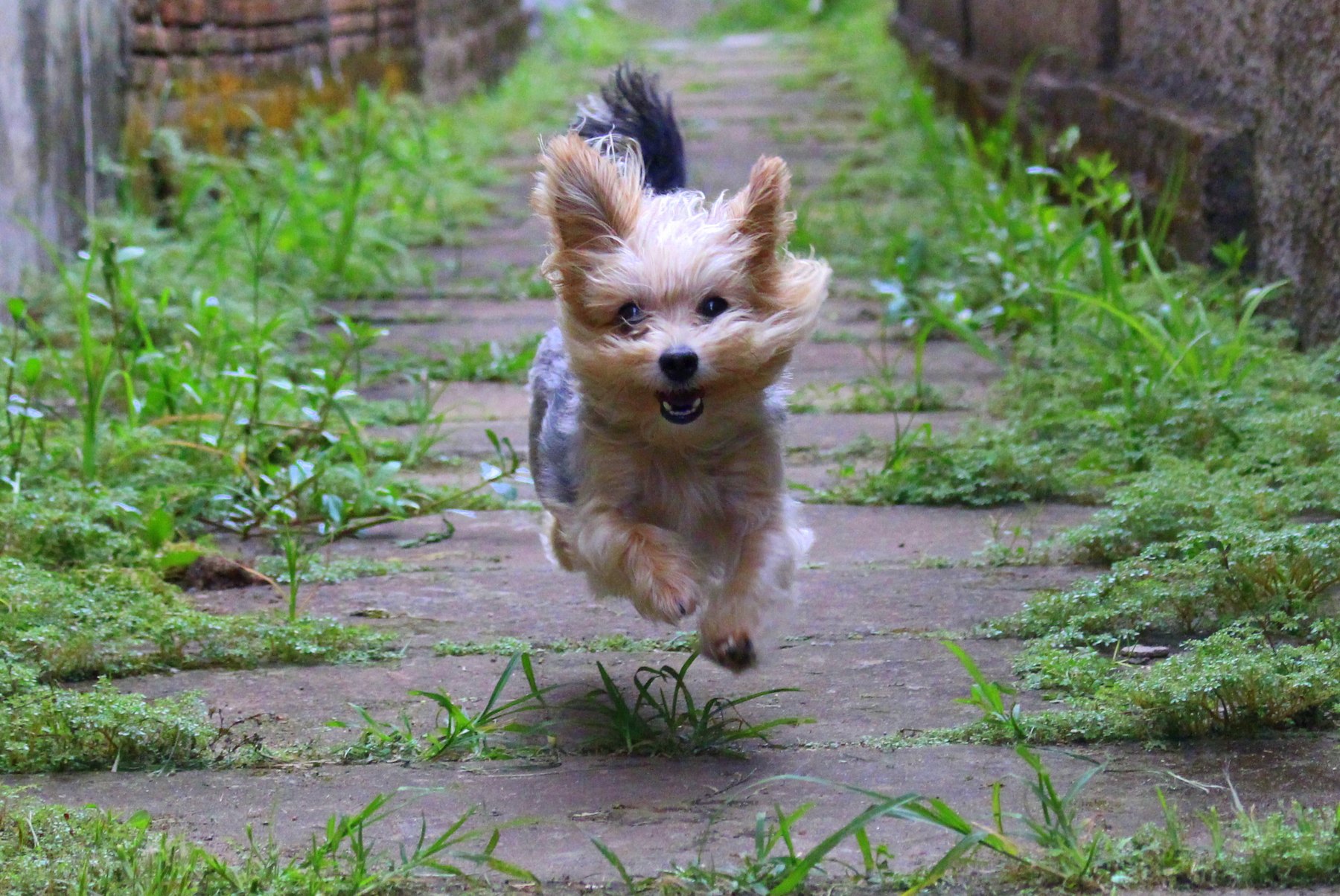
Recall Training for Dogs: How to Build a Reliable Come Command
Recall training teaches your dog that coming when called is worth doing, even when the world is loud, smelly, fast, or extremely committed to being more interesting than you. A reliable come command is built in layers: start easy, use a clear cue, pay well, practice on a leash or long line, add distractions slowly, and avoid calling your dog for things they dislike.
The short version: do not test recall before you have trained it. Teach the word indoors first, reward generously, practice short successful reps, then move to fenced or long-line outdoor work. Off-leash freedom should come only when the dog has a long history of choosing you over distractions in safe places.
What recall training actually means
Recall is the trained behavior of your dog returning to you when called. Most owners use “come,” but the word matters less than the history behind it. If “come” has been repeated ten times while your dog ignores you at the park, then followed by frustration, leash clipping, and the end of fun, the cue is already carrying baggage.
A reliable recall is not a magic word. It is a pattern your dog has practiced hundreds of times: hear the cue, turn toward the handler, run in, get rewarded, and often return to fun. That last part matters. If recall always ends the good stuff, many dogs become accountants. They do the math and decide your offer is terrible.
For family dogs, the practical goal is not competition-level obedience. The goal is that your dog can come away from ordinary distractions: sniffing, mild wildlife interest, people, toys, yard wandering, or another dog at a manageable distance. Emergency-level recall takes more work and should still never be used as an excuse to let a dog off leash where it is unsafe or illegal.
Pick one cue and protect it
Choose one recall cue, such as “come,” “here,” or a whistle. Say it once, in a bright voice, when you are ready to help your dog succeed. Do not chant it like a broken smoke alarm. Repeating the cue teaches the dog that the first few versions are optional.
If your current cue is badly poisoned, start fresh. Pick a new word and rebuild it from easy wins. This is not admitting defeat; it is throwing out a cue that has become background noise. Dogs do not care about our branding departments.
Protect the cue by using it only when good things happen. Do not call your dog and then immediately trim nails, give medicine, leave the dog park, scold them, or do something they find unpleasant. If you need to do those things, calmly go get the dog instead. Recall should predict reward and connection, not “the fun has been cancelled by corporate.”
Start indoors where success is boring
Begin in a quiet room with your dog close by. Say the recall cue once, then immediately encourage movement toward you with happy body language, a step backward, or an open posture. When your dog reaches you, mark the moment with “yes” or a clicker if you use one, then reward generously.
Keep the first sessions short: five to ten easy repetitions. You are not testing whether the dog understands English. You are building an association: this cue means turn toward my person and something good happens.
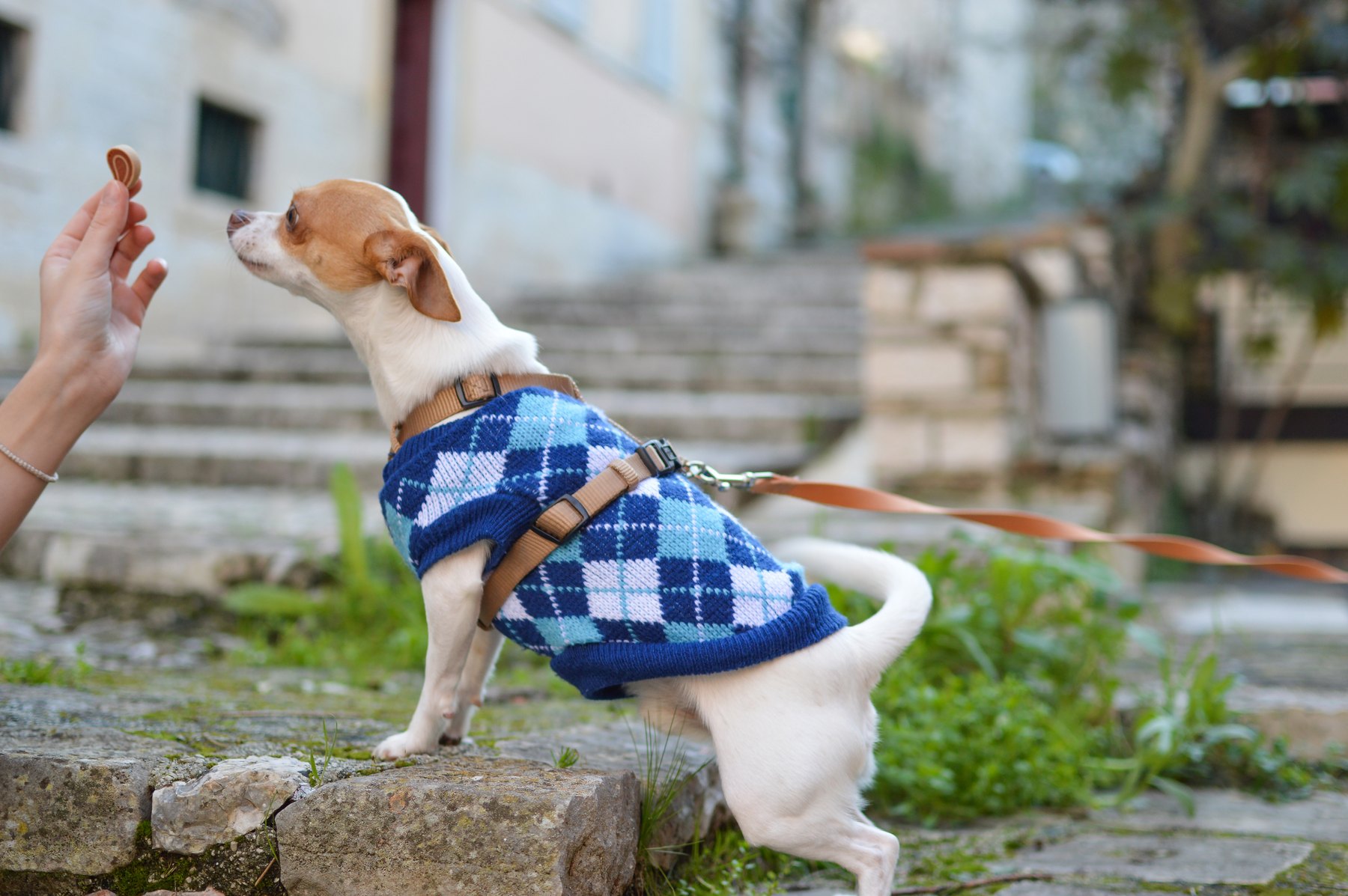
Use rewards your dog values. For many dogs, that means small soft treats, chicken, cheese, tug, a thrown toy, or permission to go sniff again. Kibble may work in the kitchen and fail completely near a squirrel. That is not your dog being stubborn. That is economics.
Teach the full behavior, not just the turn
A recall is not complete when the dog glances at you. It is not complete when the dog trots halfway back and veers away. The finished behavior is: hear cue, turn, move all the way to you, allow you to reach the collar or harness if needed, then receive reinforcement.
Add a gentle collar or harness touch early. Call your dog from a few feet away, reward when they arrive, briefly touch the collar or harness, then reward again. Keep it pleasant. The point is to teach that hands near the collar are part of the payday, not a trap.
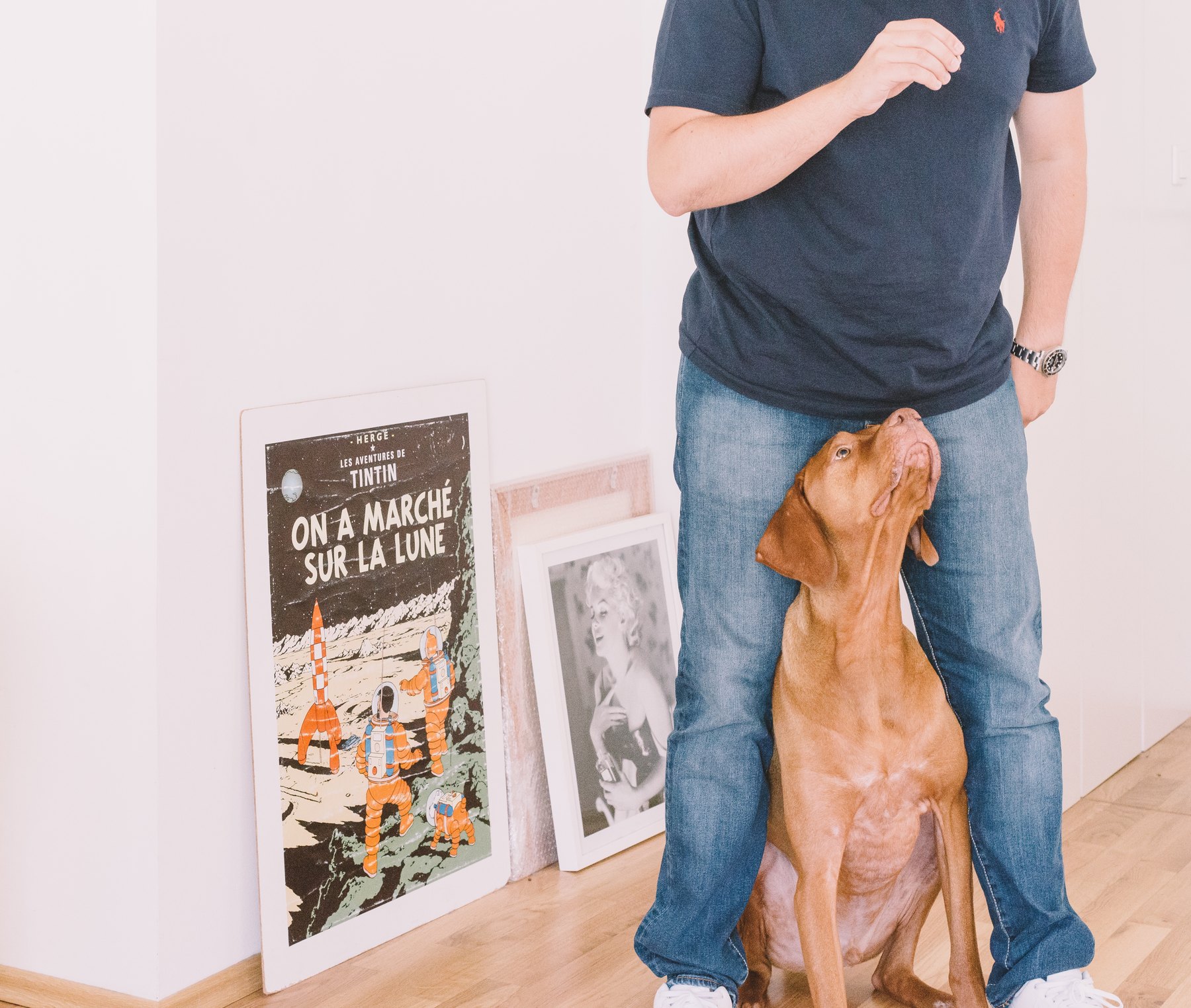
This matters in real life. A dog who comes close but dances just out of reach is not recalled yet. That is a dog offering curbside pickup. Cute, but not useful when a gate is open.
Use a leash or long line before off-leash freedom
Once your dog can recall indoors, move to a fenced yard, quiet driveway, or calm outdoor space. Use a regular leash at first, then a long line if the area is safe. A long line gives the dog room to move while preventing the session from turning into a live-action chase scene.
Call only when the dog is likely to succeed. If your dog is locked onto another dog, stalking a rabbit, or too excited to hear you, you are too close to the distraction or too early in the training plan. Move farther away, lower the difficulty, and practice where your dog can still think.
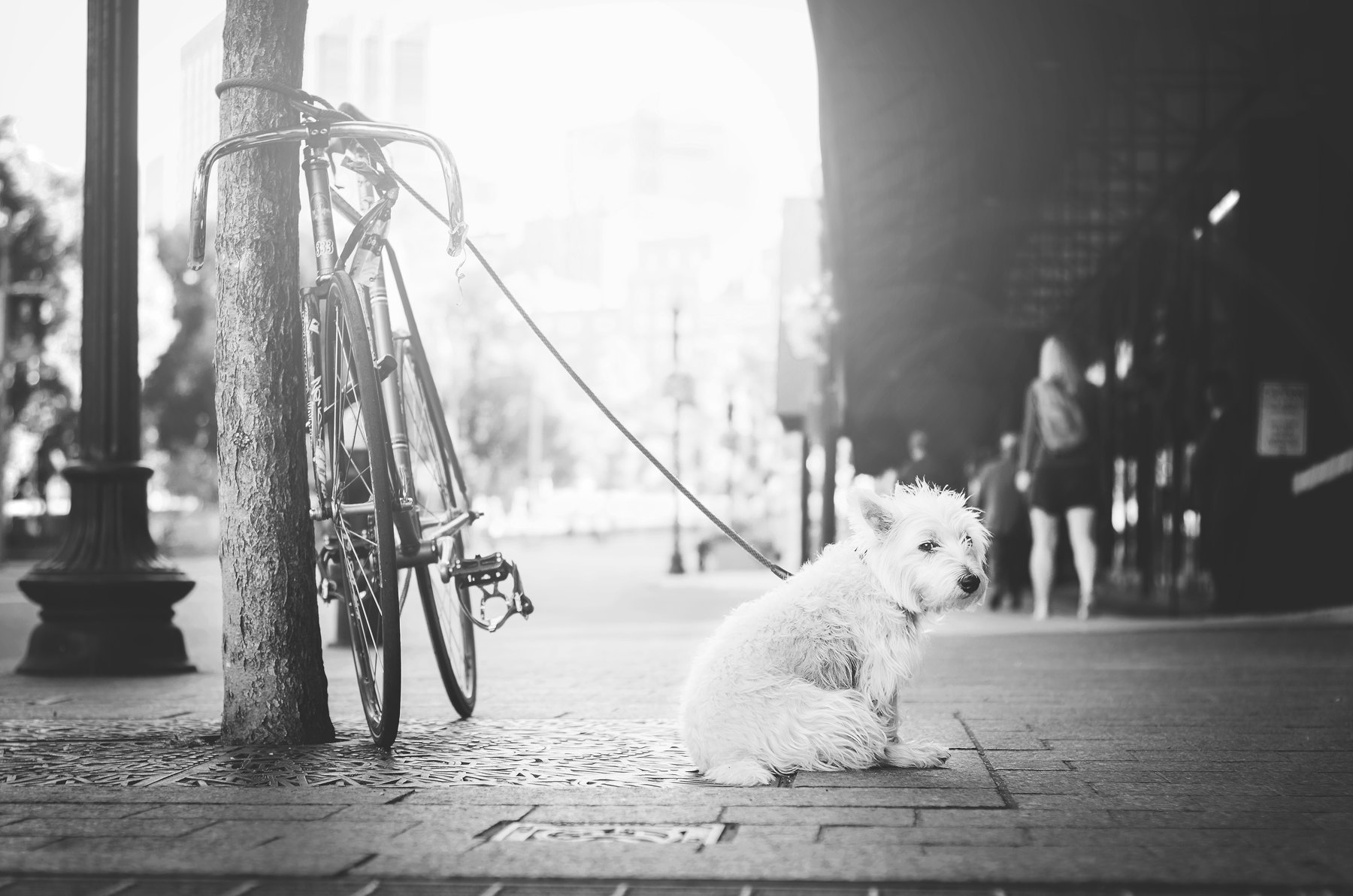
Do not yank the dog in with the line unless safety requires it. The line is insurance, not the training method. Your real job is to make turning back to you rewarding enough that the dog chooses it.
Pay like the behavior matters
Recall is expensive behavior from the dog’s point of view. You are asking them to leave smells, dogs, people, movement, food scraps, and whatever archaeological discovery is happening under the hedge. Pay accordingly.
Use a jackpot sometimes: several small treats in a row, a short tug game, excited praise, or a reward event that lasts a few seconds. For harder recalls, increase the reward. If your dog recalls away from mild distraction, pay well. If your dog recalls away from another dog, wildlife scent, or the open yard gate, do not hand over one dry crumb and call it leadership.
Vary rewards, but do not fade them too quickly. Reliable recall is one of those behaviors worth maintaining for life. You do not need a food bribe forever, but you should keep a strong reinforcement history. Random big paydays keep the behavior alive.
Release your dog back to fun
One of the best ways to strengthen recall is to call your dog, reward them, then release them back to what they were doing. This teaches that coming to you does not always end the party.
Use a release word such as “go sniff,” “okay,” or “go play.” In a fenced yard, call your dog away from sniffing, reward, touch the collar, then send them back to sniff. On a long line, call them away from mild interest, reward, then walk with them back toward the safe thing they wanted.
This is especially useful at parks, on hikes, and in yards. If recall only happens when you are leaving, your dog will learn the pattern fast. Dogs are excellent at detecting when we have become boring and transactional. Annoyingly, they are often right.
Build distance and distractions slowly
The order matters: first distance, then distraction, then duration around exciting things. Do not increase everything at once. If your dog can recall from ten feet indoors, try fifteen feet indoors. Then ten feet in the yard. Then ten feet in the yard while someone stands quietly nearby. Then a longer line in a quiet field.
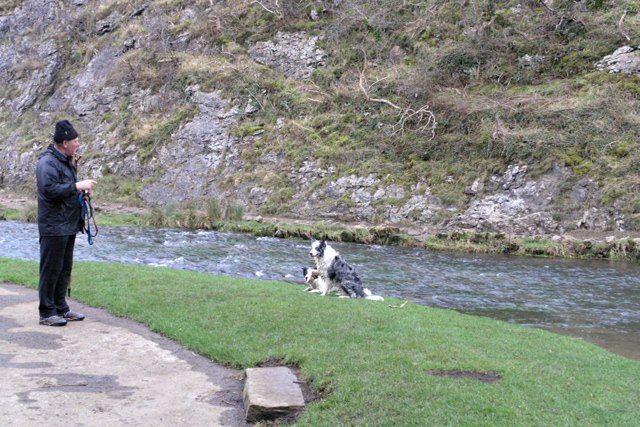
Think in levels:
Level 1: Indoors, no distractions, a few feet away.
Level 2: Indoors, another room, mild household distractions.
Level 3: Fenced yard or quiet outdoor area on leash.
Level 4: Long line in a quiet park or field.
Level 5: Mild real-world distractions at a distance.
Level 6: Harder distractions only after many successful easier reps.
If the dog fails, do not get dramatic. Make the next repetition easier. Training is information, not a courtroom.
Use recall games to make coming fast
Recall games make the behavior energetic instead of formal and dull. Keep them short and safe.
Ping-pong recall: Two people stand apart with treats. One calls the dog, rewards, then the other calls. Increase distance slowly.
Find me: Hide in another room or behind a tree in a fenced area, call once, then celebrate when the dog finds you.
Chase me: Call the dog and jog away from them, encouraging them to chase you. Do this in a safe enclosed area or on a long line, not near roads.
Restrained recall: One person gently holds the dog while another gets exciting, moves away, calls, then rewards when the dog is released and runs in. Keep this playful, not frustrating.
Games create speed because the dog learns that recall is not just obedience; it is movement, play, and reward. That emotional tone matters.
Common recall mistakes
The most common mistake is calling when you know the dog will not come. Every ignored cue weakens the word. If your dog is over threshold, too far away, or deep into distraction, go manage the situation instead of donating another failed repetition to the universe.
Another mistake is punishing the dog when they finally return. Even if your dog took five minutes, rolled in something criminal, and made you age visibly, reward the return. Punishing the dog after they come back teaches that returning to you is risky.
Owners also end fun too often. If “come” always means leash on, car ride over, park finished, backyard closed, your dog may learn to hover just outside reach. Mix in many recalls where the dog gets rewarded and released.
Finally, people move too fast. A dog who recalls perfectly in the kitchen has not automatically earned off-leash privileges beside deer, traffic, children, and three dogs named Bella having a group meltdown.
When not to rely on recall
Recall is important, but it is not a substitute for management. Do not rely on recall beside busy roads, around livestock, near wildlife, in unfenced unfamiliar areas, around aggressive dogs, or anywhere local leash laws require restraint. Even well-trained dogs can make dangerous choices under the wrong conditions.
Use fences, leashes, long lines, gates, and common sense. Recall lowers risk; it does not delete risk. If your dog has a history of bolting, predatory chasing, fear, reactivity, or ignoring you outdoors, work with a qualified reward-based trainer before adding freedom.
For puppies and adolescent dogs, assume reliability will wobble. Adolescence is when many dogs appear to uninstall software they previously had. Keep practicing. Lower the difficulty. Do not turn a temporary training phase into a permanent runaway habit.
A simple four-week recall plan
Week 1: Build the cue indoors. Practice five to ten short reps daily. Reward every response. Add collar or harness touches after arrival.
Week 2: Add rooms, movement, and games. Call from another room, play ping-pong recall, and reward fast turns toward you.
Week 3: Move outside on leash. Practice in a yard, driveway, quiet sidewalk, or empty park area. Keep distance short and rewards high.
Week 4: Use a long line and mild distractions. Practice around manageable smells, movement, and distance. Reward, release back to fun, and avoid calling when the dog is likely to fail.
This plan is not a finish line. It is a foundation. Good recall is maintained over months and years, especially for dogs with strong prey drive, high sociability, independent working instincts, or a long history of off-leash self-employment.
Troubleshooting: why your dog ignores “come”
If your dog ignores the cue, ask what the cue predicts. Does it predict a great reward, or does it predict bath time, the end of freedom, or an irritated human stomping across the yard? Dogs remember patterns better than speeches.
If your dog comes indoors but not outdoors, the outdoor environment is too difficult. Go back to a long line, shorter distance, better rewards, and lower distractions.
If your dog runs away when you move toward them, stop chasing. Chasing teaches keep-away. Turn the other way, make yourself interesting, crouch sideways, clap lightly, run away from the dog in a safe area, or use practiced games that make movement toward you rewarding.
If your dog will not take food outside, the environment may be too stressful or exciting, or the food may not be valuable enough. Increase distance from distractions and use better rewards. If fear or reactivity is involved, get professional help.
FAQ
What is the best age to start recall training?
Start as soon as your puppy or dog is settled enough to learn. Puppies can practice very short, happy recalls indoors. Adult dogs can learn too, but a dog with a long history of ignoring the cue may need a fresh word and easier setup.
How long does it take to build reliable recall?
Many dogs improve within days indoors, but reliable outdoor recall usually takes weeks or months of consistent practice. Hard distractions such as wildlife, other dogs, and open spaces require much more proofing.
Should I use “come” or my dog’s name?
Use your dog’s name for attention and a separate cue such as “come” or “here” for the actual return. The name means “pay attention”; the recall cue means “move all the way back to me.”
Should I call my dog if I know they will not come?
Usually, no. Manage the situation instead. Move closer, use the leash or long line, reduce the distraction, and set up an easier repetition. Repeated ignored cues teach your dog to tune out the word.
Can treats become a bribe?
Treats become a bribe when the dog only responds after seeing food. Keep rewards hidden when possible, mark the correct response, then reward after the dog comes. Over time, mix food with play, praise, sniffing, and release back to fun.
Is an emergency recall different?
It can be. Some owners teach a special cue or whistle that is always paid with an exceptional reward and used rarely. An emergency recall still needs careful practice and should not replace leashes, fences, or safety management.
What if my dog runs from me when I reach for the collar?
Practice collar or harness touches separately. Touch gently, reward, release. Keep it easy until your dog expects good things when your hand approaches. If your dog shows fear or handling sensitivity, work with a qualified reward-based trainer.
Evergreen update note
Recall training should stay rooted in humane reinforcement, safe management, and gradual proofing. The tools and terminology may change, but the principle is durable: make coming back to you consistently safer, clearer, and more rewarding than ignoring the cue.