Senior Dog Checkups: Changes to Track and Questions to Ask Your Veterinarian
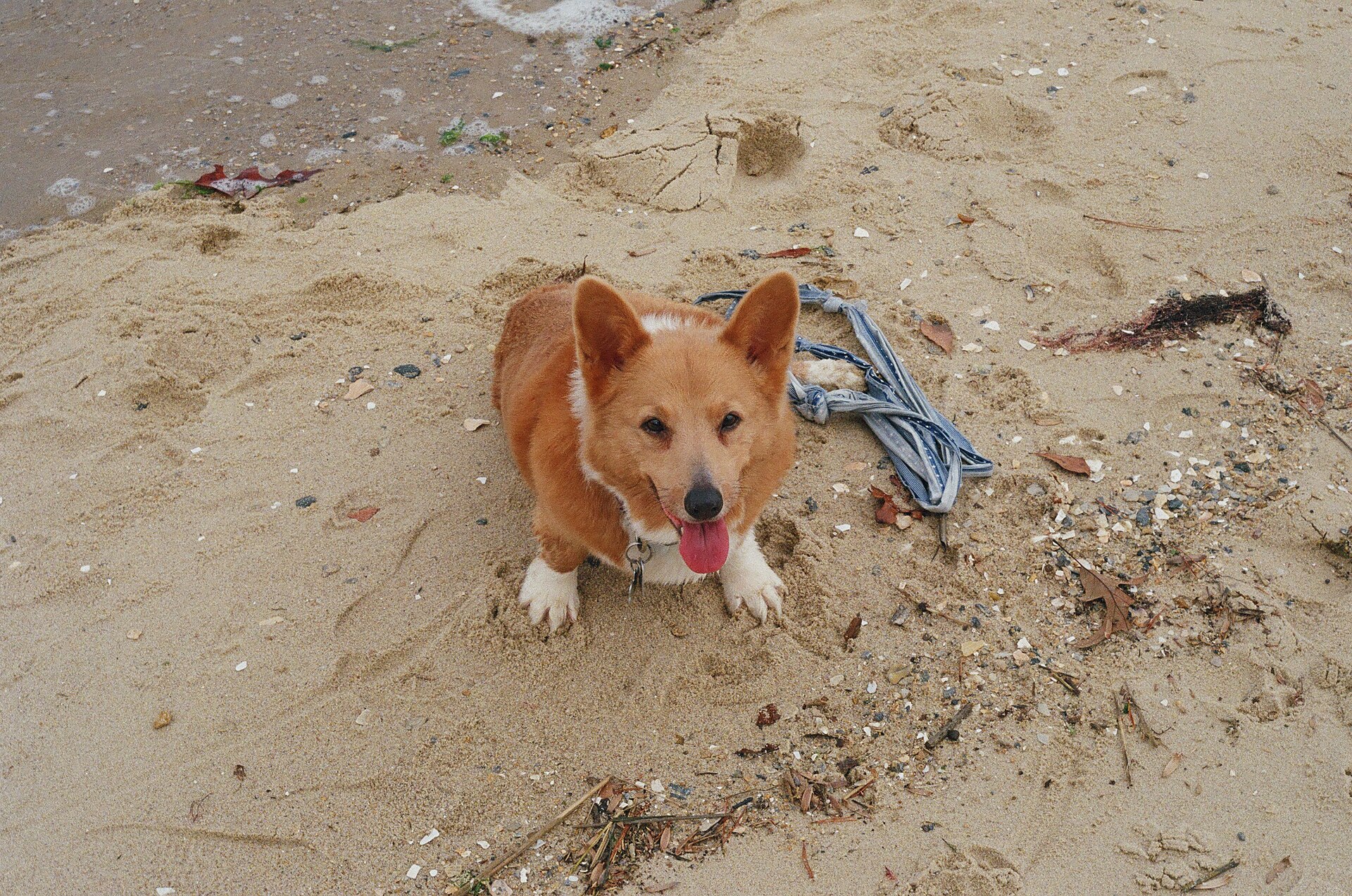
Hunter, aged 14, photographed by Sean Dudley. Source, CC0.
A senior dog checkup is a chance to compare how your dog is doing now with their usual appetite, movement, sleep, behavior, and comfort. Bring dated observations, a complete medication list, and a few specific questions. Your veterinarian can use that history alongside an examination to decide whether screening or further investigation is appropriate.
The central point is simple: aging is not itself a disease. A dog who stops enjoying walks, starts drinking much more, or seems uncomfortable should not be dismissed as “just getting old.” At the same time, a change you notice at home does not tell you its cause.
This guide is educational, not a diagnosis or treatment plan. It has not been reviewed by a veterinarian. If your dog is unwell, contact your veterinary team rather than waiting for a scheduled wellness visit.
Emergency signs come first: difficulty breathing, collapse, blue or very pale gums, severe pain, a seizure, or straining without passing urine warrant immediate veterinary contact and emergency assessment. Do not delay care to finish a tracking log or film a video.
When does a dog become a senior?
There is no birthday that makes every dog a senior. Breed, size, expected lifespan, and individual health all affect the conversation. A large dog and a small dog of the same calendar age may be at different life stages.
The 2023 AAHA Senior Care Guidelines describe canine senior status in relation to the final quarter of estimated lifespan. That is a planning framework, not a way to predict an individual dog's remaining time.
Ask your veterinarian: “Given my dog's size, background, and health history, when should we start a senior-care schedule?” You do not need to wait for obvious frailty to raise the question.
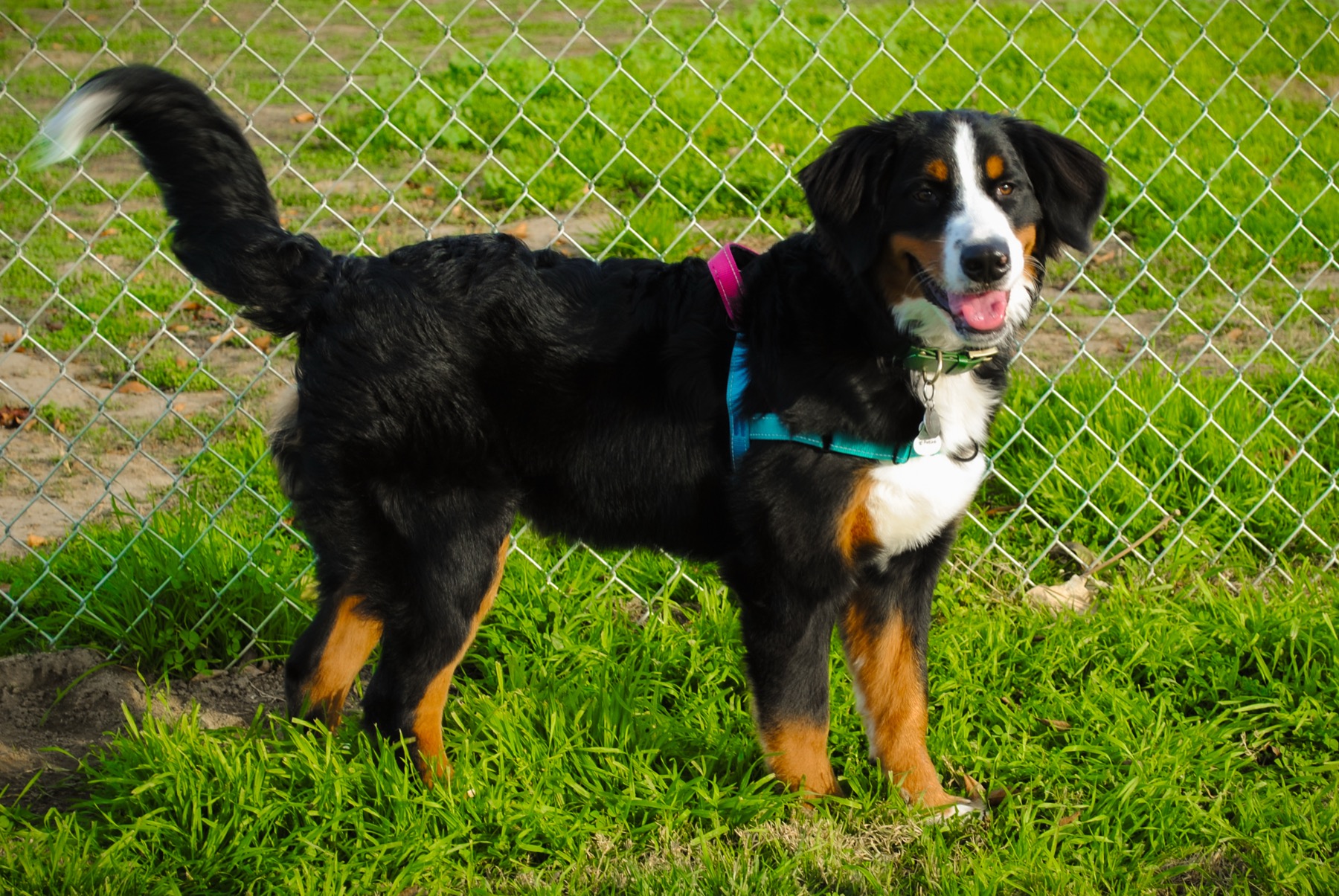
Senior timing varies between dogs; this photograph illustrates body-size context, not the pictured dog's age. Photo: Prof helix, source, CC BY-SA 4.0.
How often should senior dogs see the vet?
Discuss a roughly six-month wellness schedule with your veterinary team. AAHA's owner guidance recommends six-monthly exams for senior pets, including those who appear healthy. The professional senior-care guideline also discusses medical workups once or twice yearly.
These are starting points, not a fixed prescription. Your dog's existing conditions, medications, recent changes, and previous findings may justify a different interval. An examination schedule and a laboratory-testing schedule are not automatically the same thing.
Before leaving the appointment, ask when to return, what to monitor, and which changes should trigger a call sooner. A checkup six months away is not a reason to postpone reporting a new problem.
What to track between senior dog checkups
Keep a short note on your phone or a single notebook page. The useful comparison is with your dog's own baseline, not another dog or a breed stereotype. Record when a change began, how often it happens, whether it is worsening, and what was happening around it.
| Area | Useful observations to bring | | --- | --- | | Food and weight | Amount offered and eaten, treats, dropped food, chewing changes, and dated weights if safely available | | Drinking and toileting | More frequent bowl refills, larger or more frequent urination, accidents, straining, stool changes, or vomiting | | Movement | Getting up after rest, walking pace, slipping, limping, reluctance on familiar steps, or difficulty settling | | Sleep and behavior | Night waking, pacing, new fearfulness, withdrawal, confusion, or a change in social interaction | | Senses and breathing | Bumping into things, reduced response to familiar sounds, new coughing, or changes in breathing at rest | | Skin and mouth | New or changing lumps, sores, licking, bad breath, drooling, or discomfort around food | | Enjoyment | Interest in familiar people, sniffing, toys, meals, and other activities your dog normally chooses |
You are collecting observations, not performing an examination. Do not press a painful area, force the mouth open, or make your dog climb stairs to prove a problem. If drinking seems excessive, report it; do not restrict water to reduce accidents.

Notice changes from your dog's usual activity and comfort; a resting photograph alone says nothing about health. Photo: Andrew Branch, source, CC0.
Describe what happened, not what you think it means
“Twice this week, she paused before standing after her afternoon nap” is more useful than “She has arthritis.” Likewise, “He woke and paced three nights this week” gives the veterinarian more to work with than “He has dementia.” Pain, sensory changes, medical problems, and changes at home can produce overlapping signs.
A short video of a naturally occurring movement or behavior can help if it is safe to record. Note the date and context. Never recreate distress or delay veterinary contact for better footage.
Our dog body language guide can help you describe behavior, but behavior alone cannot rule out illness or pain.
Keep a simple repeatable entry
Use: Date — what changed — how often — context — other changes — veterinary advice received.
For example: “Tuesday evening — left half the usual meal — first time this week — same food — also quieter than usual — called clinic for advice.” You do not need a month of data before calling. A sudden or concerning change is worth reporting when you first notice it.
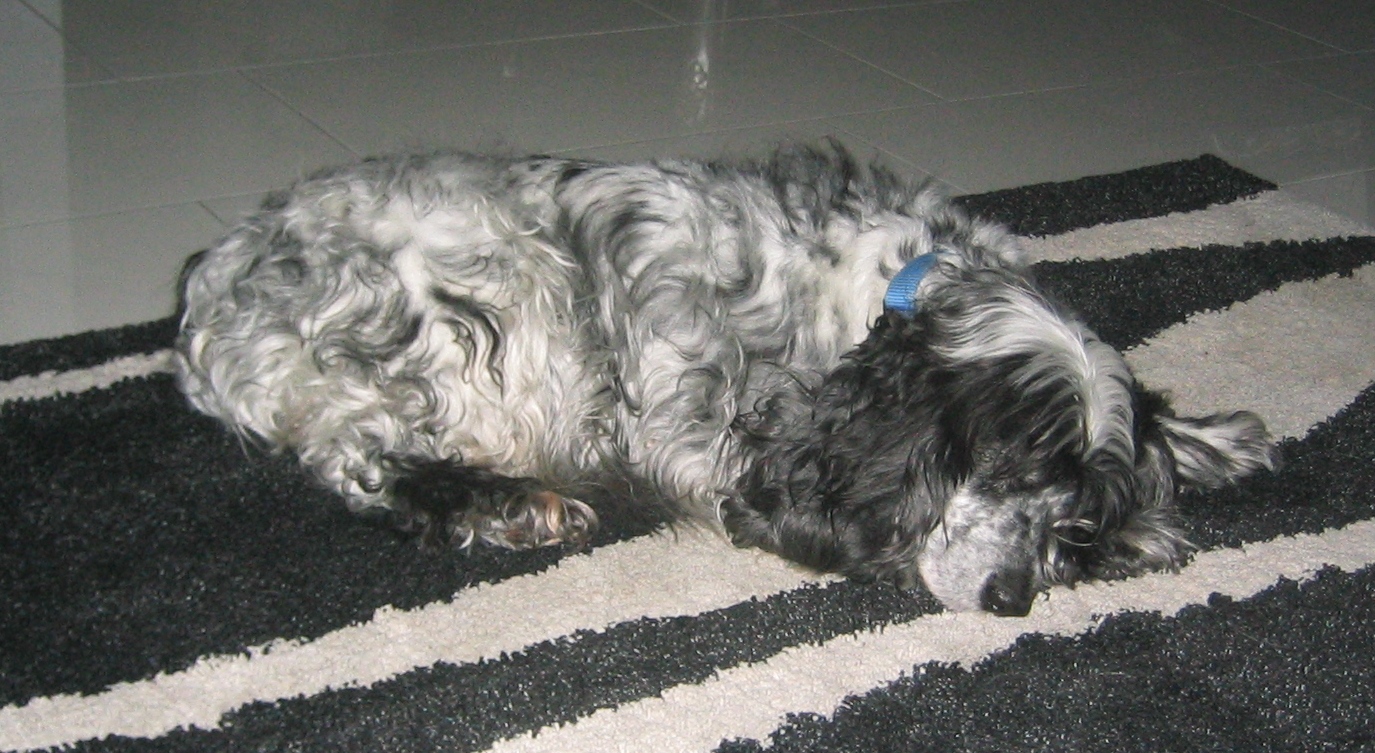
Record changes in sleep patterns without assuming their cause. Photo: Gürkan Sengün, source, CC BY-SA 3.0.
How to prepare for the appointment
Put your top three concerns at the beginning of your notes. Bring the timeline, relevant videos, previous records if changing clinics, and the following information:
- Everything your dog receives: prescription and nonprescription medicines, supplements, preventives, creams, oils, and occasional products. Include amounts and frequency, or photographs of labels.
- Food details: the exact food, amount offered, treats, and any recent changes. For background on labels, see our dog food selection guide.
- Practical barriers: difficult car transfers, slippery floors, anxiety at the clinic, handling sensitivities, cost constraints, and what you can realistically monitor at home.
Call ahead to ask whether the clinic wants a sample or any special preparation. Do not fast your dog, skip medicines, or change a dose unless the veterinary team gives you specific instructions. Ask about safe arrival assistance if walking or getting into the clinic is difficult.
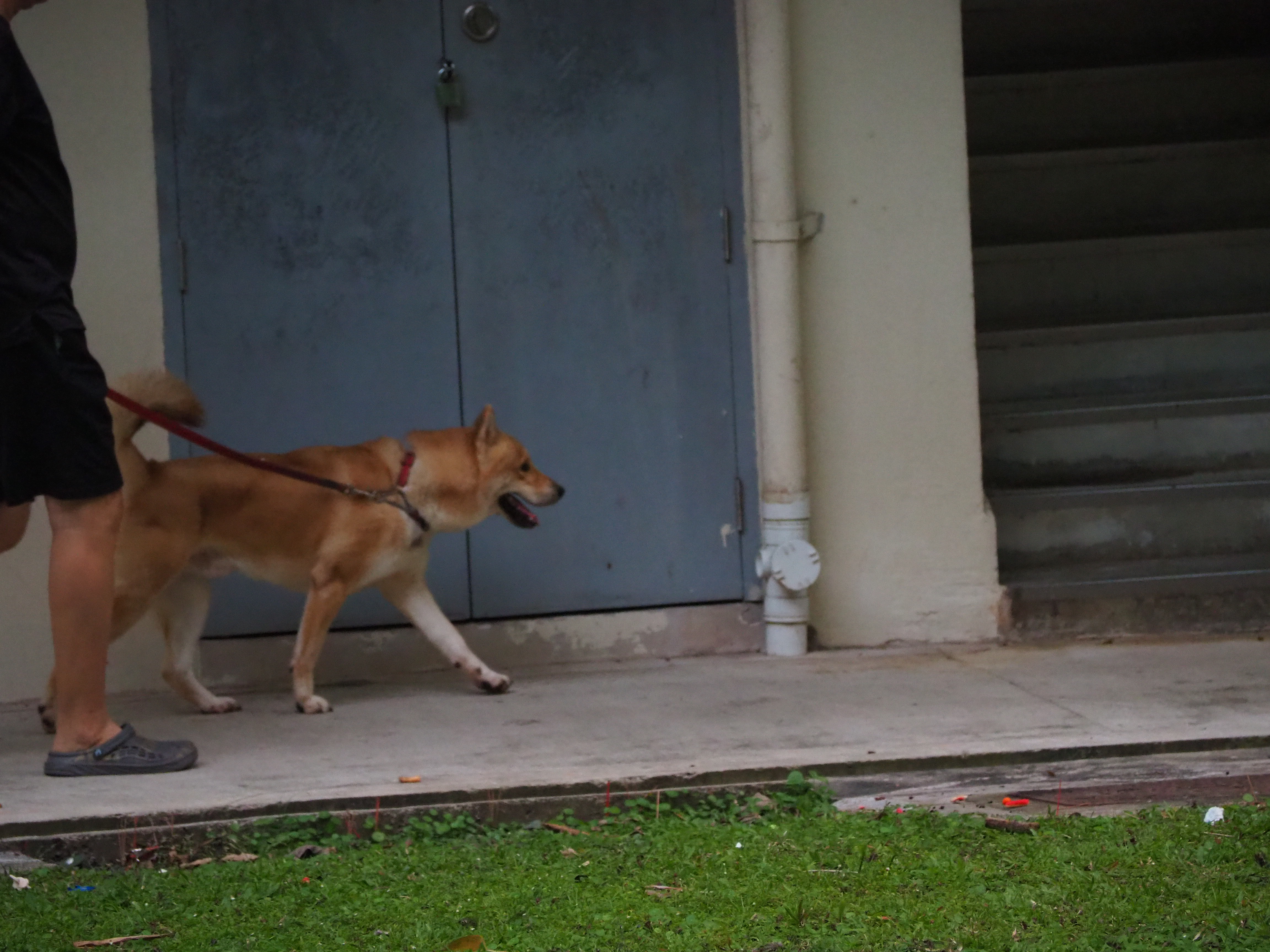
Everyday movement can provide useful context for an appointment; do not push a dog to demonstrate a difficulty. Photo: Anish Anilkumar, source, CC BY 4.0.
What a senior dog wellness exam may cover
AAHA emphasizes a detailed history followed by a thorough, comfortable physical examination. Depending on your dog and their tolerance, the visit may include:
- Weight, body condition, and muscle condition, with comparison to previous records.
- Eyes, ears, mouth, skin, coat, and any lumps you have noticed.
- Listening to the heart and lungs and examining the abdomen.
- Movement, joints, muscles, and possible discomfort.
- Appetite, elimination, sleep, behavior, sensory changes, and quality of life.
- Review of nutrition, dental care, parasite prevention, vaccinations, and current medications.
Your veterinarian may discuss blood or urine testing, blood pressure measurement, or other investigations based on the history and findings. Not every dog needs every test, and an apparently normal result does not explain every symptom. Ask what a proposed test could clarify, its limitations, and how its result might change the next step.
A look in the mouth during a wellness visit is not the same as a complete dental evaluation or treatment. Our dog dental care guide explains that distinction in more detail.
Questions worth asking your veterinarian
Choose the questions that fit your dog's situation rather than trying to cover everything at once:
- Which changes in my notes concern you most, and why?
- Could discomfort or a medical issue be contributing to this behavior change?
- How are my dog's weight and muscle condition changing?
- What would each proposed test tell us, and what would happen afterward?
- Are any medicines, supplements, or foods worth reviewing together?
- What activities and home adjustments are appropriate for this dog?
- What should I track, and what changes mean I should call immediately?
- When should we recheck, and how will results be communicated?
If cost or daily care is difficult, say so. Ask for priorities and an explanation of which steps are time-sensitive. Leave with a clear follow-up plan rather than a list of terms you have to decode later.
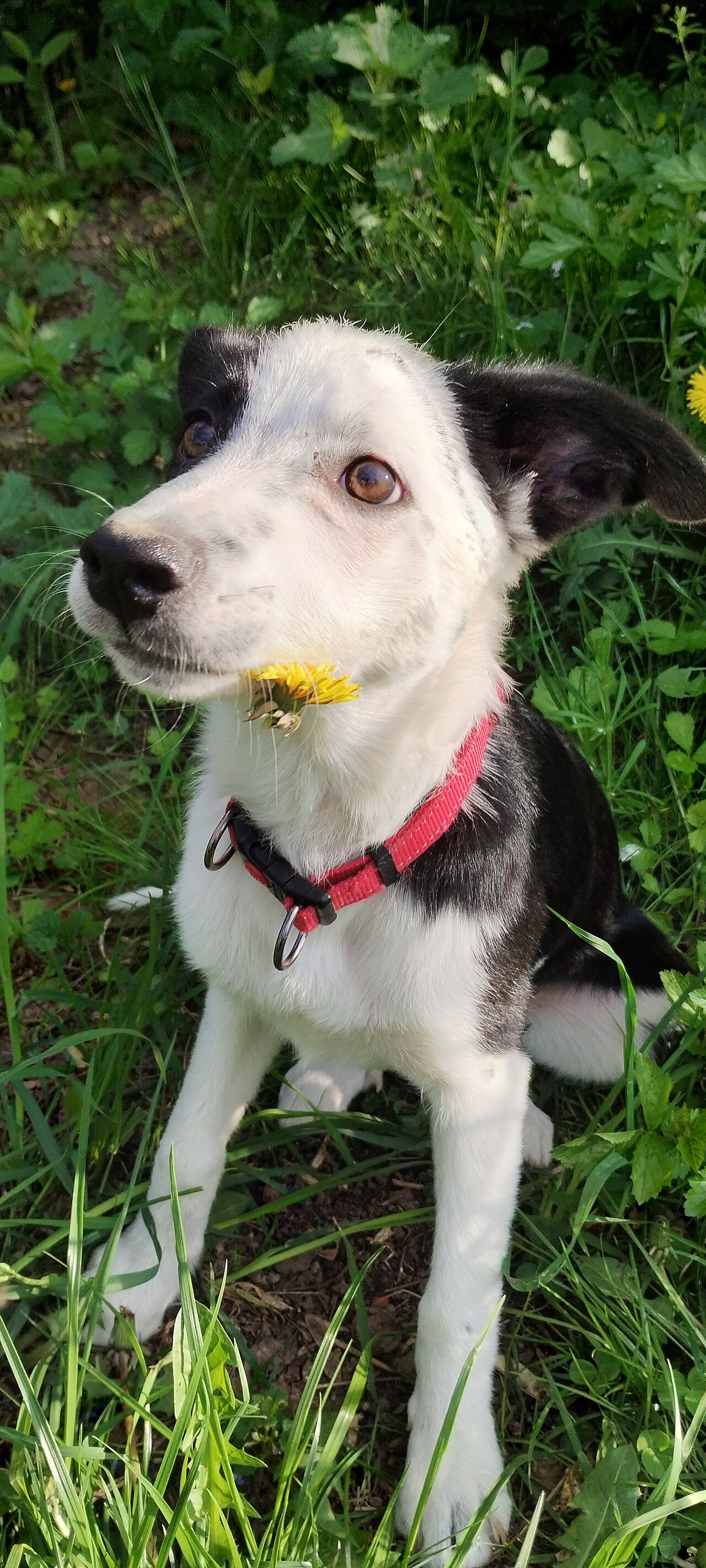
Tell the veterinary team what your dog usually enjoys and what has changed. This is an illustrative photograph, not a clinical example. Photo: Dawid Wilczyński, source, CC BY 4.0.
Which changes should not wait for a routine checkup?
Call your veterinarian promptly about increased thirst or urination, new accidents, appetite or weight changes, repeated vomiting or diarrhea, coughing, new lumps, limping, apparent discomfort, or meaningful changes in sleep, senses, or behavior. Describe the severity and timing so the team can tell you how quickly your dog needs assessment. Sudden vision changes, eye pain, or rapid worsening need urgent advice.
Seek emergency veterinary help immediately for difficulty breathing, collapse, blue or very pale gums, severe or constant pain, a seizure, inability to stand, major bleeding, or straining without passing urine. This is not an exhaustive list. If you suspect an emergency or cannot judge the severity, contact an emergency veterinary clinic now.
The Merck Veterinary Manual's “When to See a Veterinarian” reference lists many of these warning signs. Do not use a symptom list to diagnose the cause, and do not give human pain medicine or change prescribed treatment without veterinary direction.
FAQ
Is slowing down normal for an older dog?
Activity can change with age, but new difficulty rising, reluctance to walk, or reduced enjoyment deserves veterinary attention. “Older” does not explain whether a dog is comfortable or why a change happened.
Does a senior dog need a checkup if they seem healthy?
Yes. Wellness visits provide an opportunity to compare trends and discuss preventive care before problems become obvious. Ask your veterinarian whether six-monthly visits suit your dog.
Does every senior dog need the same blood tests?
No. Your veterinarian should explain recommendations in the context of your dog's age, history, medications, examination, and prior results. A generic senior panel is not a substitute for an individualized assessment.
Should I wait until I have enough tracking notes?
No. Notes help communicate a pattern, but a new or concerning change is reason to contact the clinic. Emergencies need immediate help, not a completed checklist.
Sources and editorial approach
This guide is an editorial synthesis of the 2023 AAHA Senior Care Guidelines for Dogs and Cats, AAHA's owner-facing senior-care recommendations, and the Merck Veterinary Manual reference linked above. Sources were checked on October 30, 2026. The AAHA professional guideline was reviewed in its official PDF; its owner-page visit-frequency recommendation was available through an indexed search excerpt when direct page access was blocked.
Dogthread did not examine any animals or conduct clinical testing, and this article is not veterinary-reviewed. The photographs are illustrative, not diagnostic evidence; only the hero dog's age is documented by its source. Images reuse sourced files from Dogthread's asset library, with their source and license links retained. No new image edits were made for this article; library copies may be resized from the originals.
The useful takeaway is not to become your dog's clinician. It is to notice changes, describe them clearly, and give your veterinary team the information they need.