
German Shepherd Temperament: Loyal, Smart, and Not for Everyone
German Shepherd temperament is best understood as loyal, intelligent, watchful, energetic, and highly people-oriented. That combination can make a German Shepherd an exceptional family dog, sport dog, service dog, or working partner. It can also make the breed too much dog for a casual home.
The short version: a well-bred, well-raised German Shepherd should be confident without being frantic, protective without being hostile, trainable without being push-button, and affectionate without being needy in a soft-lap-dog way. The problem is that the same traits people admire most can become hard to live with when the dog is bored, under-socialized, poorly bred, or handled inconsistently.
The quick answer
German Shepherds are loyal and smart, but they are not automatically easy. They were developed as versatile working dogs, so many bring strong attention, stamina, suspicion of strange things, fast learning, and a need to be useful. In the right home, that feels like partnership. In the wrong home, it can become barking, pacing, reactivity, shadowing, destructiveness, or a dog who invents a job nobody asked for.
A German Shepherd usually fits best with owners who can provide:
- daily exercise and mental work
- early, steady socialization
- clear household rules
- reward-based training
- calm leadership instead of intimidation
- realistic expectations around shedding, size, noise, and guarding instincts
A German Shepherd is a poor fit for someone who wants a low-effort dog, a yard ornament, a status symbol, or a dog expected to raise itself. That is not a moral failing. It is just the breed being the breed.
What German Shepherd temperament really means
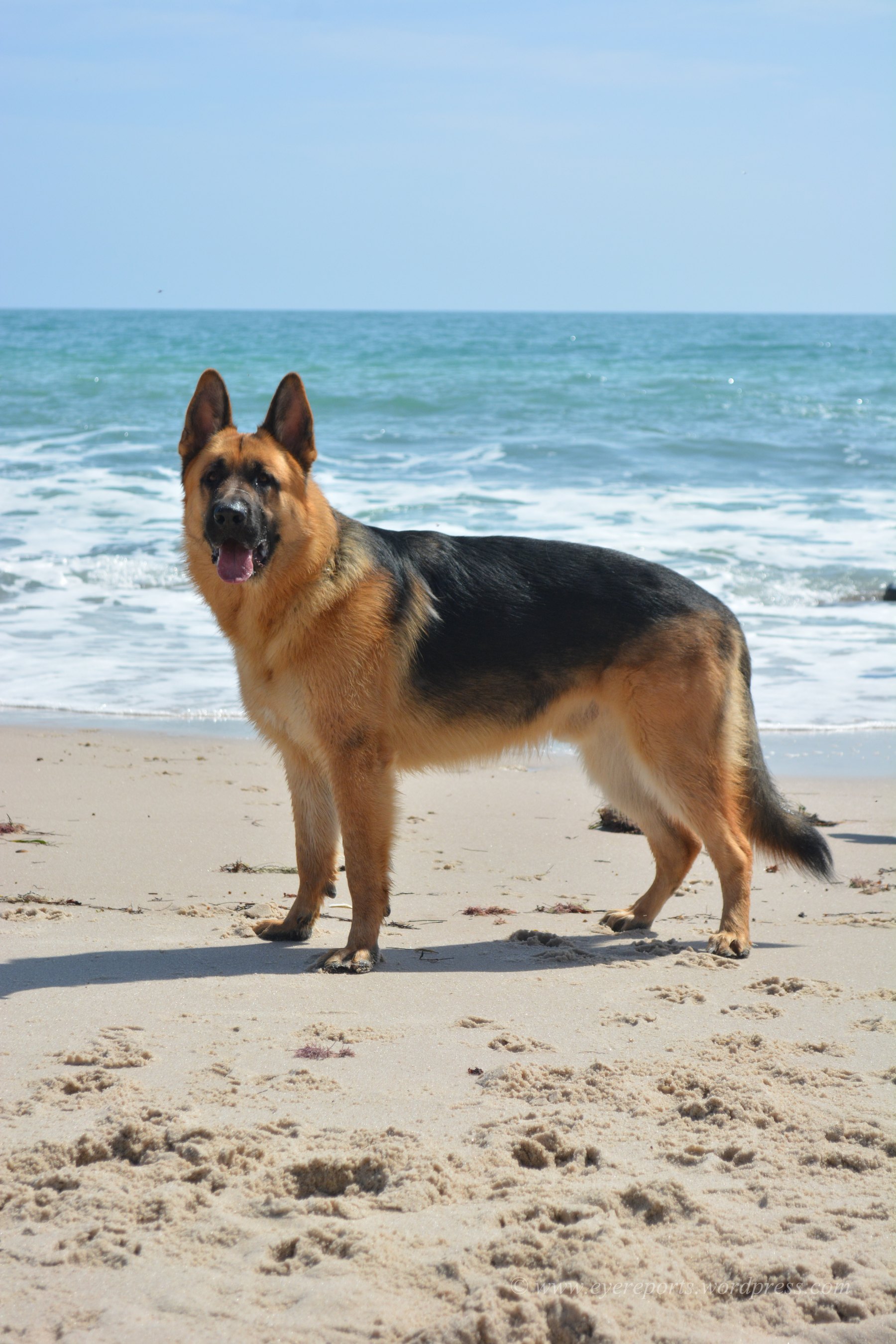
The German Shepherd was not built around one cute household trait. The breed was shaped for useful work: herding, guarding, service, search, police work, military work, obedience, and close cooperation with a handler. That history helps explain why German Shepherd temperament can feel so intense compared with many companion breeds.
Breed standards and major breed descriptions often emphasize confidence, courage, alertness, trainability, and a certain reserve with strangers. That reserve is important. A sound German Shepherd does not need to love every person like a golden retriever at a picnic. The dog should be able to notice strangers, evaluate them, and stay under control.
That is the difference between a stable working temperament and a nervous dog with a dramatic bark. Good German Shepherd temperament is not random suspicion. It is confidence with brakes.
Loyal does not mean clingy in a cute way
German Shepherd loyalty is real, but people sometimes misunderstand it. This breed often bonds hard to its people and pays attention to where they are, what they are doing, and whether anything around them has changed. That can be deeply satisfying if you want a dog who feels like a teammate.
It can also become exhausting if the dog never learns independence. Some German Shepherds shadow their owners from room to room, bark when separated, or become anxious when household routines shift. Loyalty needs structure. A dog can be attached and still learn to settle on a bed, relax in a crate, wait behind a gate, and tolerate normal departures.
Dogthread's Crate Training Guide: How to Make the Crate Feel Safe, Not Punishing is a useful companion piece here, especially for owners trying to build calm separation without turning the crate into a battle.
Smart dogs are not always easier dogs
German Shepherds learn quickly. That is one reason people love them. It is also one reason they can become professional-level troublemakers when bored. A smart dog learns the rules, the loopholes, the weak spots, and exactly which family member can be negotiated with.
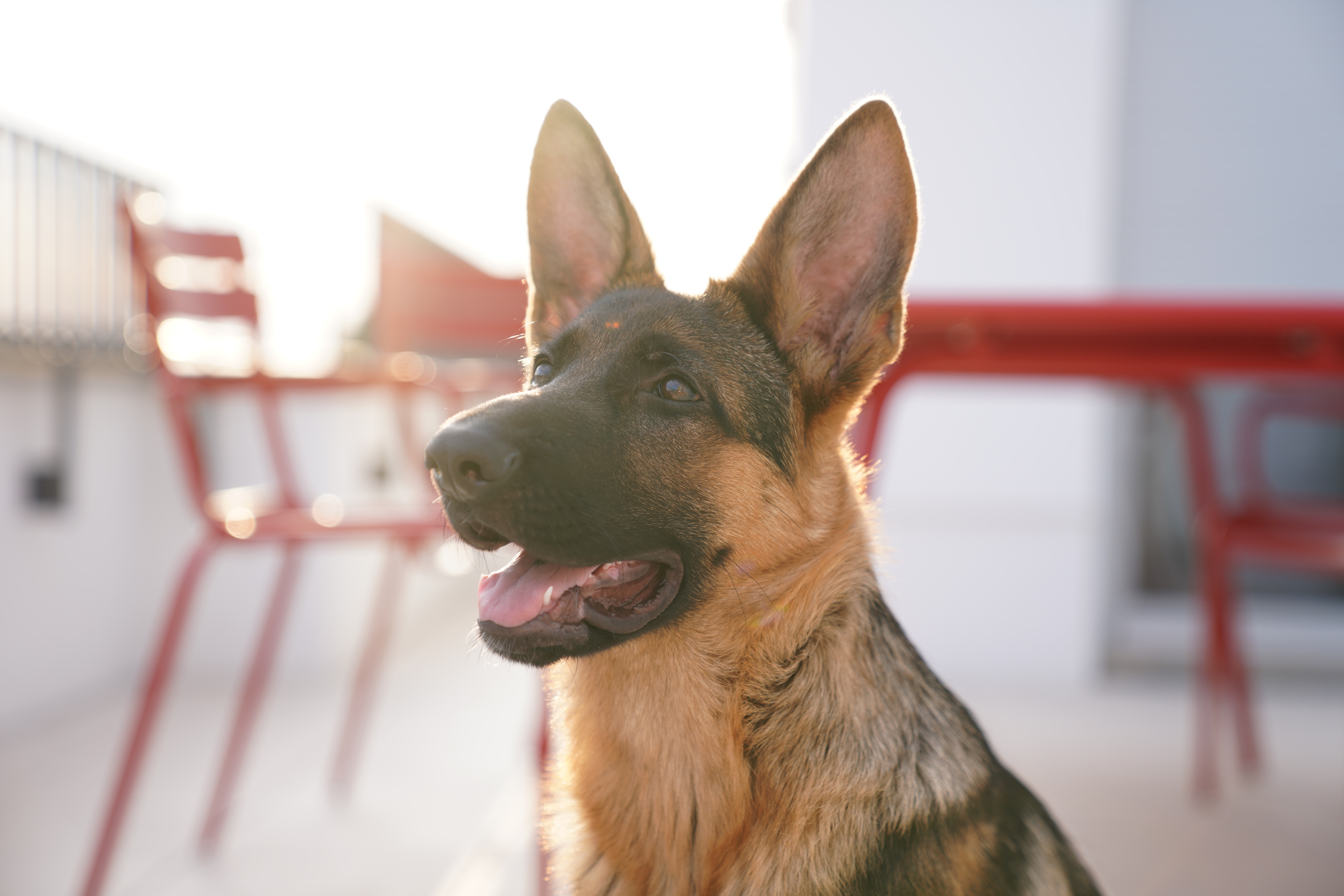
Training a German Shepherd is usually less about proving who is in charge and more about being consistent enough that the dog trusts the system. Short, clear sessions work well. Reward the behavior you want. Build impulse control. Practice around gradually harder distractions. Do not wait until adolescence and then act shocked when a 75-pound working dog has opinions.
Helpful training priorities include:
- name response and check-ins
- leash manners before the dog is powerful
- recall in safe, controlled settings
- calm greetings at doors and gates
- leave-it and drop-it
- settle on a mat or bed
- cooperative handling for grooming and vet care
For the recall side, pair this with Dogthread's Recall Training for Dogs: How to Build a Reliable Come Command. German Shepherds can be wonderfully responsive, but only if the cue is built before the world becomes more interesting than you.
Protective is not the same as well-behaved
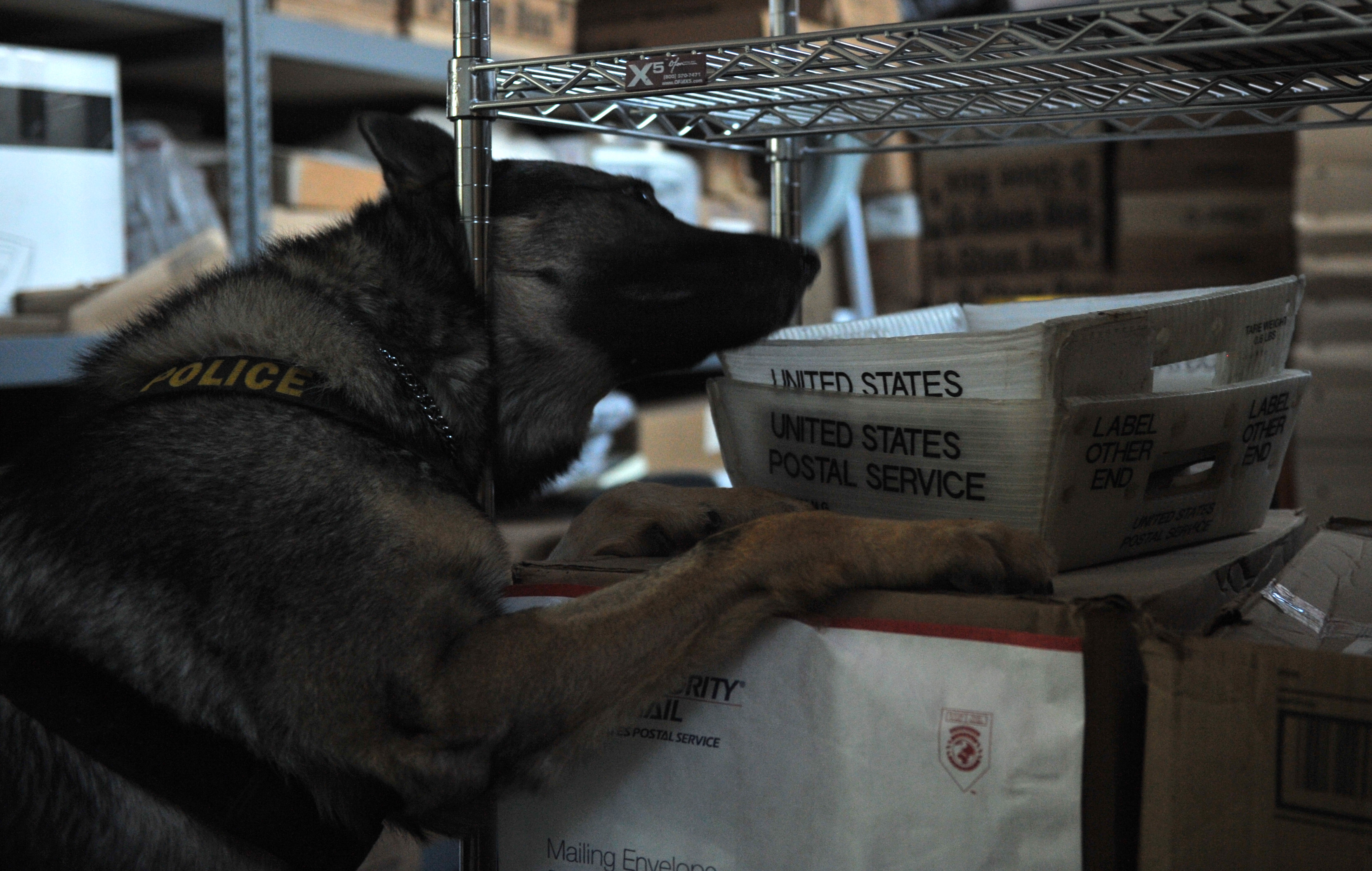
German Shepherds have a reputation for protection, and some of that reputation is earned. Many are naturally alert and aware of their territory. They may notice people at the door, movement near the fence, unfamiliar dogs, delivery drivers, bicycles, or the suspicious crime wave known as neighbors carrying groceries.
That does not mean every German Shepherd should be encouraged to guard. Most pet homes need calm alertness, not a dog rehearsing threat behavior all day. A dog who barks at everything, lunges at visitors, or cannot settle when people enter the home is not being "extra loyal." The dog is struggling with arousal, fear, poor boundaries, weak socialization, or all of the above.
If a German Shepherd is showing serious aggression, escalating guarding, or behavior that feels unsafe, work with a qualified trainer or veterinary behavior professional. Do not try to fix it with harsher corrections from internet comment sections, the sewer system of dog training advice.
Socialization is not optional
A German Shepherd puppy needs early, thoughtful exposure to normal life: different people, surfaces, sounds, dogs, vehicles, grooming routines, vet-style handling, and quiet time in public places. The goal is not to force the puppy to greet everything. The goal is to teach the dog that the world is normal and manageable.
Good socialization is calm and controlled. Bad socialization is throwing the puppy into chaos and hoping confidence appears by magic. For this breed, that distinction matters. A German Shepherd who grows up underexposed may become suspicious or reactive. A German Shepherd who is overhandled by strangers may become stressed or pushy.
Use distance. Reward observation. Let the puppy disengage. Build neutrality. A stable adult German Shepherd does not need to drag you toward every person. Neutral is a win.
Energy is only half the story
German Shepherds usually need substantial exercise, but exercise alone is not enough. Many also need thinking work: training, scent games, structured play, food puzzles, obedience practice, tracking-style games, or jobs around the house that reward focus.
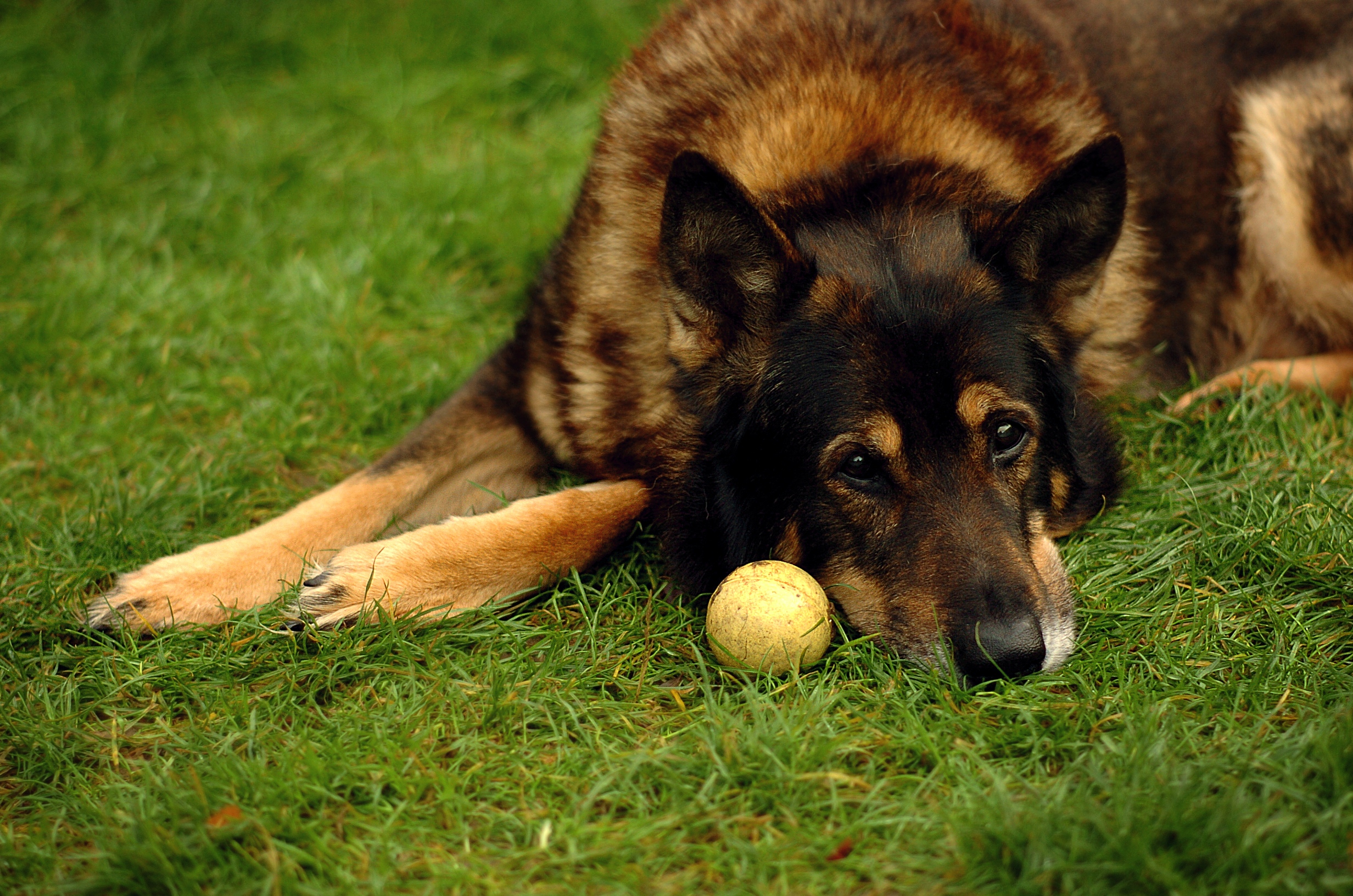
A tired German Shepherd can still be mentally underused. A mentally satisfied German Shepherd is often much easier to live with. The sweet spot is a routine that includes movement, learning, sniffing, rest, and predictable boundaries.
Watch the age and body of the individual dog. Puppies should not be drilled like adult athletes. Older dogs may need lower-impact work. Dogs with orthopedic concerns need veterinary guidance. German Shepherds can be prone to hip, elbow, back, and mobility issues, so conditioning should be sensible instead of macho.
Who German Shepherds are best for
German Shepherds often do best with people who enjoy training and want a dog involved in daily life. The breed can fit active families, sport homes, working homes, and experienced owners who like a thinking dog. They can also be loving with children when bred, socialized, trained, and supervised well.
They are usually not ideal for owners who want a soft, low-maintenance companion with minimal training needs. They are also not a great match for homes where nobody has time for daily work, social exposure, grooming, and management.
A good German Shepherd owner is not necessarily loud, strict, or intense. In fact, those owners often make things worse. The better fit is calm, consistent, observant, and willing to do boring foundational work before problems become dramatic.
Red flags before getting one
Pause before getting a German Shepherd if any of these are true:
- You mainly want the look of the breed.
- You expect the dog to guard without professional guidance.
- Nobody in the home wants to train daily.
- You cannot manage a large adolescent dog on leash.
- You dislike shedding, barking, or close owner focus.
- The dog will spend most of its life alone in a yard.
- You are drawn to unusually fearful, sharp, or frantic puppies because they seem "protective."
Temperament varies by line, breeder, early handling, health, and individual dog. Choose carefully. Meet adult relatives when possible. Ask breeders or rescues direct questions about nerves, sociability, drive, environmental confidence, and household fit. A stable German Shepherd should not look like a panic button with fur.
What to do if you already have one
If you already live with a German Shepherd and the dog feels like a lot, start by making the routine clearer. Most dogs improve when the home becomes more predictable.
Build a simple daily framework:
- one or two structured walks with training moments
- short reward-based sessions
- calm crate, mat, or bed practice
- controlled exposure to triggers at a workable distance
- chewing, sniffing, or puzzle time
- enough sleep, especially for puppies and adolescents
If the dog barks, lunges, guards, panics, or cannot settle, do not wait for it to magically mature out of the problem. Some dogs do improve with age, but rehearsed behavior also gets stronger. Get help early, especially if safety is involved.
For broader body-language reading, see Dogthread's Dog Body Language Guide: What Dogs Are Really Telling You. German Shepherds are expressive dogs, but people often miss the early signals and only notice the explosion.
The honest bottom line
German Shepherds are loyal, smart, courageous, and capable. That is exactly why they are not for everyone. The breed asks more from an owner than admiration.
If you want a dog who can train deeply, bond closely, work hard, and take household life seriously, a German Shepherd may be a brilliant fit. If you want easy, quiet, casual, and self-managing, choose another breed and sleep better. The dog will thank you, even if your ego sulks for a minute.
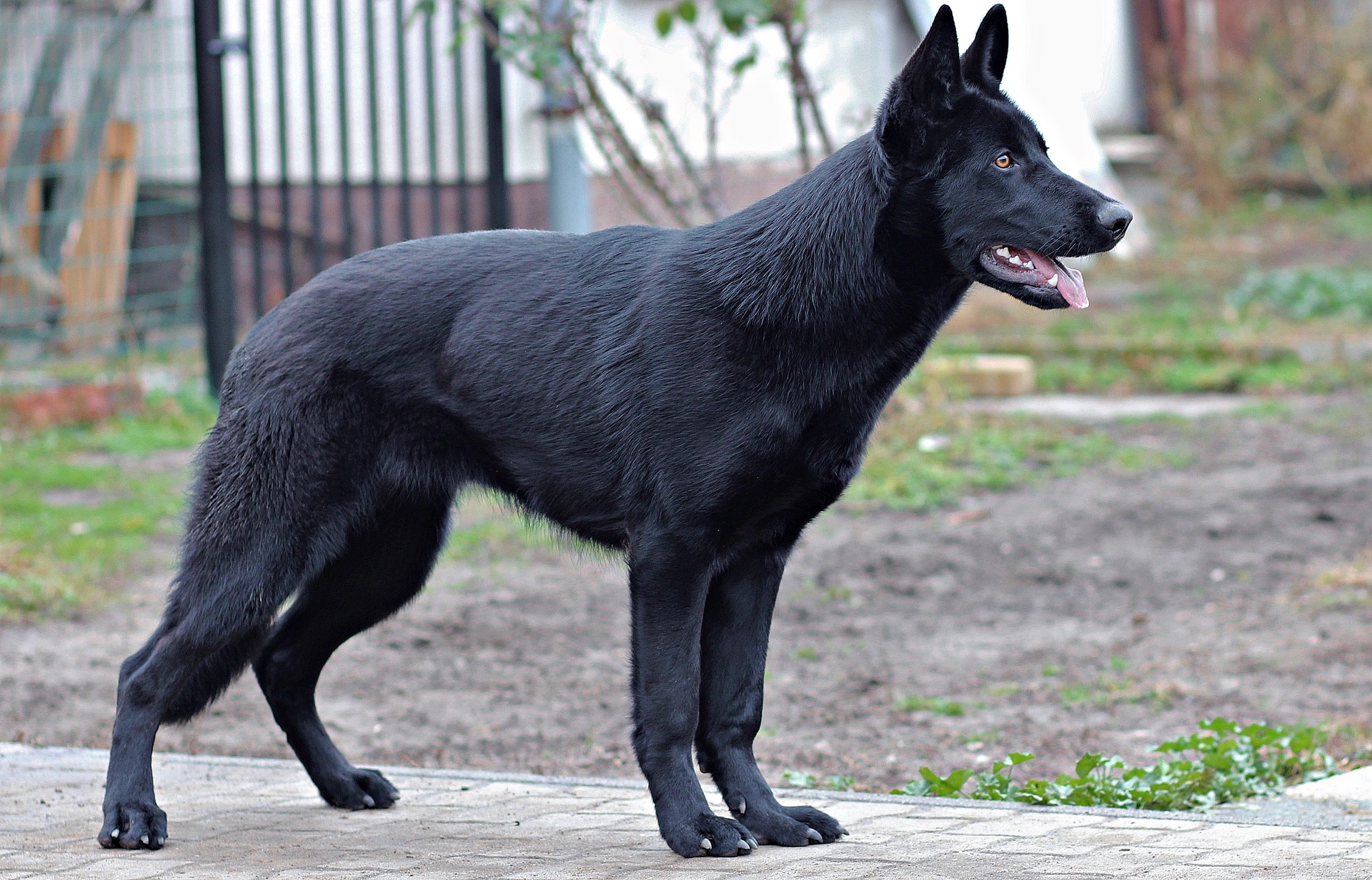
For the breed feature side of this cluster, read Dog of the Day: German Shepherd. This article also supports Dogthread's broader breed-history lane and the planned pillar Dog Breed History: Why Dogs Were Bred for Jobs, Not Aesthetics.
FAQ
Are German Shepherds good family dogs?
They can be excellent family dogs in the right home. They need training, socialization, supervision around children, and enough daily work. A bored or undertrained German Shepherd can be overwhelming in a busy family house.
Are German Shepherds aggressive?
German Shepherds are not automatically aggressive. They are often alert, protective, and reserved with strangers. Poor breeding, fear, pain, under-socialization, harsh handling, and lack of management can all contribute to aggressive behavior. Serious aggression should be handled with qualified professional help.
Are German Shepherds easy to train?
They are usually highly trainable, but that does not mean effortless. Their intelligence, energy, and sensitivity mean they need clear, consistent, reward-based training and good timing from the owner.
Do German Shepherds need a lot of exercise?
Most need regular daily exercise plus mental work. The exact amount depends on age, health, line, and individual temperament. Puppies, seniors, and dogs with orthopedic concerns need sensible limits and veterinary guidance.
Can German Shepherds live with other dogs?
Many can, especially with good socialization and careful introductions. Some are selective, intense, or controlling around other dogs. Manage introductions thoughtfully and get professional help if there is repeated conflict.
Who should not get a German Shepherd?
Someone who wants a low-effort dog, dislikes training, is away for long stretches without a plan, wants a dog mainly for image or protection, or cannot manage a strong adolescent dog should probably choose a different breed.
Sources and methodology
Dogthread treated live search as advisory and kept the planned Week 5 slot, category, format, and cluster stable. This article was written as editorial synthesis from established breed standards and owner guidance, including American Kennel Club breed material, the AKC German Shepherd Dog standard, United Kennel Club breed temperament language, United Schutzhund Clubs of America breed-standard notes, and PDSA owner-care guidance. No veterinary, breeder, trainer, or hands-on behavioral assessment is claimed.