Why Dachshunds Were Bred to Be Brave
Dachshunds were bred to be brave because their original job demanded it: they were German hunting dogs developed to go underground after badgers and other burrow-dwelling animals. A timid dog would not push into a dark tunnel, bark at dangerous quarry, hold its ground in tight quarters, and keep working without a handler beside it.
That bravery is not a cute accident. It is one of the reasons Dachshunds can be bold, loud, stubborn, curious, and weirdly convinced they are six feet tall. The modern family Dachshund is usually not hunting badgers, but the old job still explains a lot about the dog on your couch.
The short answer
Dachshunds were bred to be brave because badger work was risky, cramped, and independent. The dog had to enter underground dens, follow scent, confront prey in narrow spaces, bark clearly enough for hunters above ground to locate the action, and make decisions without constant human direction.
That is why the breed combines several traits that can feel oversized in a small body:
- courage around pressure and noise
- persistence when something is hidden, trapped, or out of reach
- a strong voice
- independence instead of automatic obedience
- a low, sturdy body built for tunnels
- a hunting-dog interest in scent and movement
For owners, the practical takeaway is simple: a Dachshund is not a decorative lap dog with funny proportions. It is a purpose-bred hound in a compact package.
What Dachshunds were originally bred to do
The word Dachshund comes from German roots commonly translated as "badger dog." Breed histories from the American Kennel Club and the Dachshund Club of America both tie the breed to German hunting work, especially badger hunting and other work around animals that went to ground.
A badger is not an easy target. It is strong, defensive, low to the ground, and built for its own tunnels. A dog sent into that environment could not depend on size. It needed nerve, a strong front end, a useful nose, and enough independence to work where the hunter could not physically help.
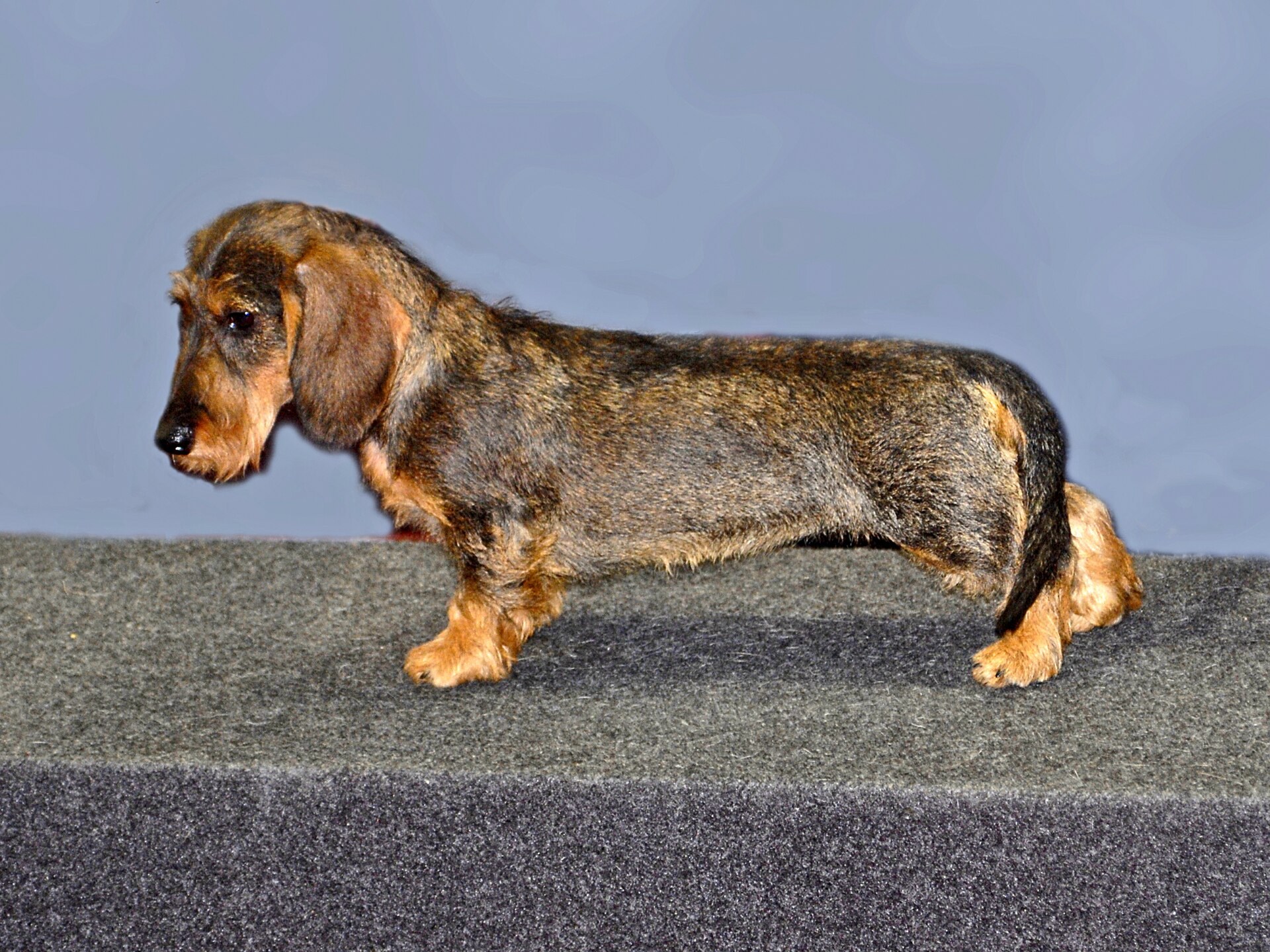
This is the part people miss when they look at a Dachshund and see only a long back and short legs. The shape was not originally a joke. It was equipment. The dog had to move through confined spaces, keep breathing and pushing forward, and signal its position from underground.
Why badger work required courage
A brave Dachshund was useful because the job put the dog in situations most dogs would avoid. Underground work removes several comforts at once: open space, visibility, easy escape, and direct handler support. The dog had to choose forward pressure when backing out would have been safer.
That courage did not mean recklessness was always desirable. A working dog still needed judgment. But the breed’s reputation for boldness makes sense when you picture the original setting. In a tunnel, there was no room for a handler to kneel beside the dog and offer a seminar on emotional regulation. The dog had to act.
This is also why "stubborn" is often the wrong word, or at least an incomplete one. A Dachshund that keeps trying to get under a fence, dig at a toy under the sofa, or bark at something in the hedge is not failing to understand that you would prefer peace and quiet. The dog may be doing exactly what generations of selection rewarded: notice, pursue, persist, announce.
The body matched the job
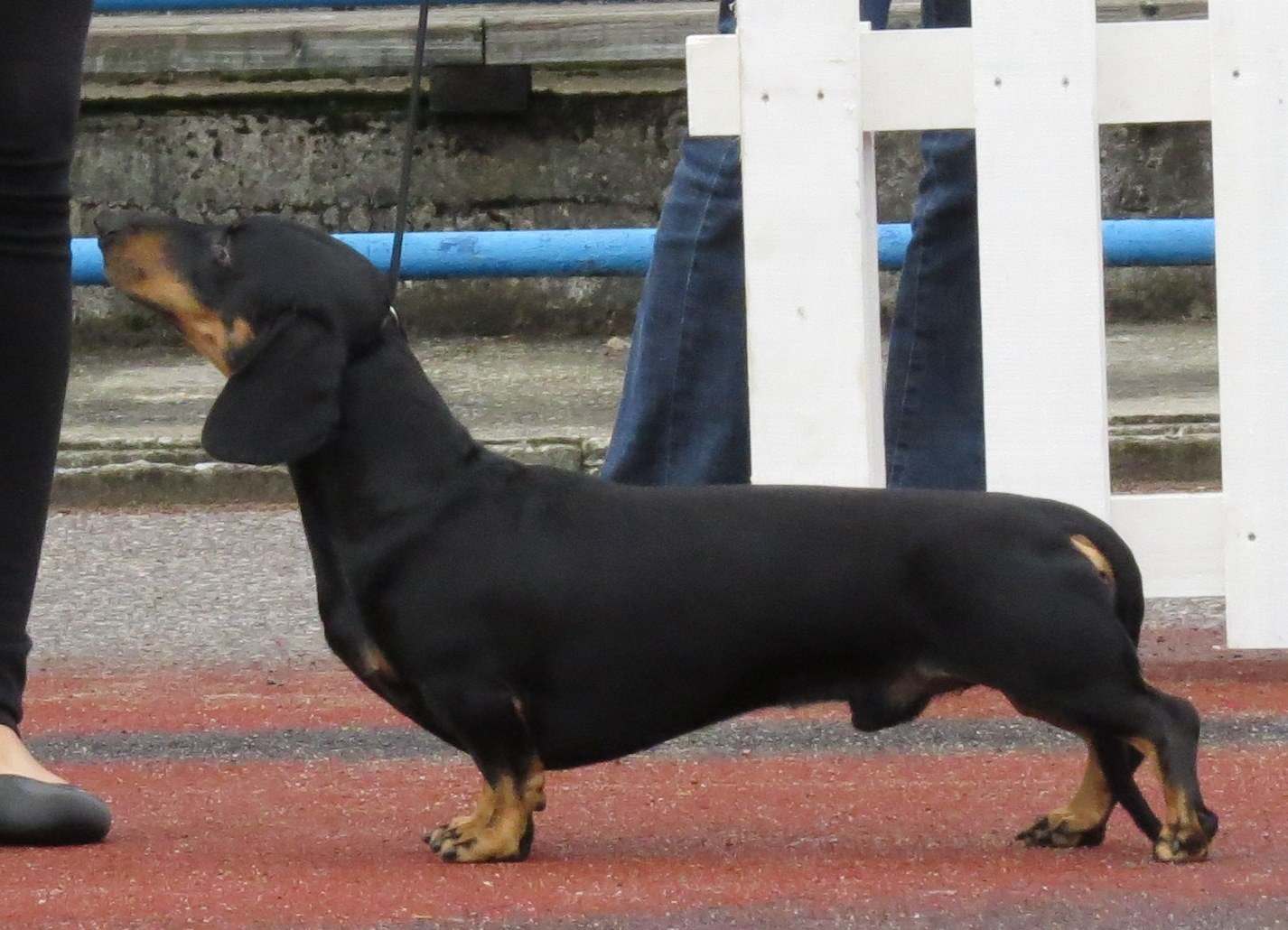
The Dachshund’s long, low body helped it work near and under the ground. Short legs lowered the dog’s profile. A sturdy chest and front assembly helped with digging and pushing through cover. A long ribcage gave room for the heart and lungs needed for hard work. A strong jaw and determined expression fit a dog expected to face resistance, not just point at it politely.
Modern breed standards and histories describe Dachshunds as hounds, not toys. That matters. They were bred around scent, quarry, movement, and independent problem-solving. The short legs are only one piece of the story.
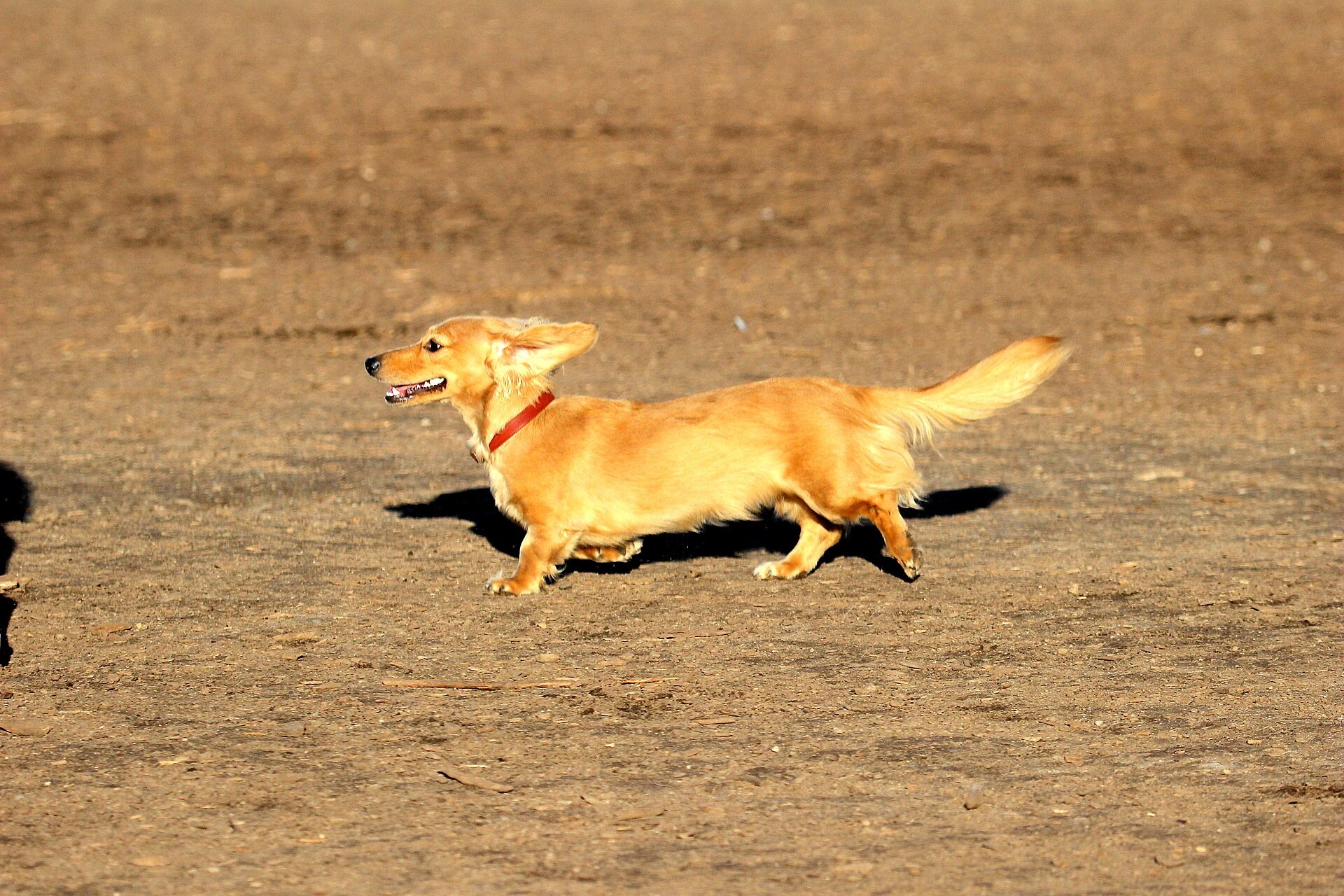
The coat varieties also make more sense through a working lens. Smooth, wirehaired, and longhaired Dachshunds can look like style choices now, but coats often developed around terrain, weather, and the preferences of hunters and breeders. The breed eventually became a household favorite, but its foundation was practical.
The bark was part of the toolkit
Many Dachshunds are vocal because voice mattered in the original work. A hunter above ground needed to know where the dog was and what was happening. Barking at quarry, alerting, and staying engaged were useful behaviors.
That does not mean modern owners should tolerate nonstop barking until everyone in the house loses the will to live. It does mean the behavior has roots. If a Dachshund barks at a sound behind a door or announces a suspicious leaf with courtroom-level confidence, the dog is not being random. It is responding like a small hound bred to report important discoveries.
The owner’s job is to give that instinct structure. Teach a cue for quiet. Reward check-ins. Use enrichment that lets the dog sniff and search. Block window triggers if needed. Do not expect the breed to become a silent stuffed animal with legs.
Brave does not mean easy to train
Dachshunds can learn well, but many do not train like dogs bred mainly for close handler cooperation. Their old job rewarded independent decisions. That can show up as selective listening, intense focus on scent, and a suspicious attitude toward commands that seem pointless.
The best training approach is clear, consistent, and reward-based. Short sessions usually work better than long lectures. Food rewards often help because many Dachshunds are enthusiastic economists. They know exactly when the pay is weak.
Good training goals for a modern Dachshund include:
- reliable recall in safe environments
- leash skills around dogs, wildlife, and street distractions
- polite alert barking routines
- cooperative handling for grooming and vet care
- safe digging or sniffing outlets
- calm crate or settle skills
Punishing a bold little hunting dog for having bold little hunting-dog instincts often backfires. It may suppress behavior briefly, but it does not build trust or judgment. Owners usually get farther by making the right choice easy and worth repeating.
What that bravery looks like in a family dog
In a modern home, Dachshund bravery can be charming. It can also be a lot. The same dog who curls under a blanket like a heated baguette may charge toward the door with absolute legal authority when someone knocks.
Common modern expressions of Dachshund bravery include:
- investigating tight spaces, blankets, burrows, furniture gaps, and yard edges
- barking at unfamiliar sounds or movement
- standing up to larger dogs without reading the room
- chasing small animals if given the chance
- refusing to quit when focused on a smell or hidden object
- guarding favorite people, beds, or toys if boundaries are loose
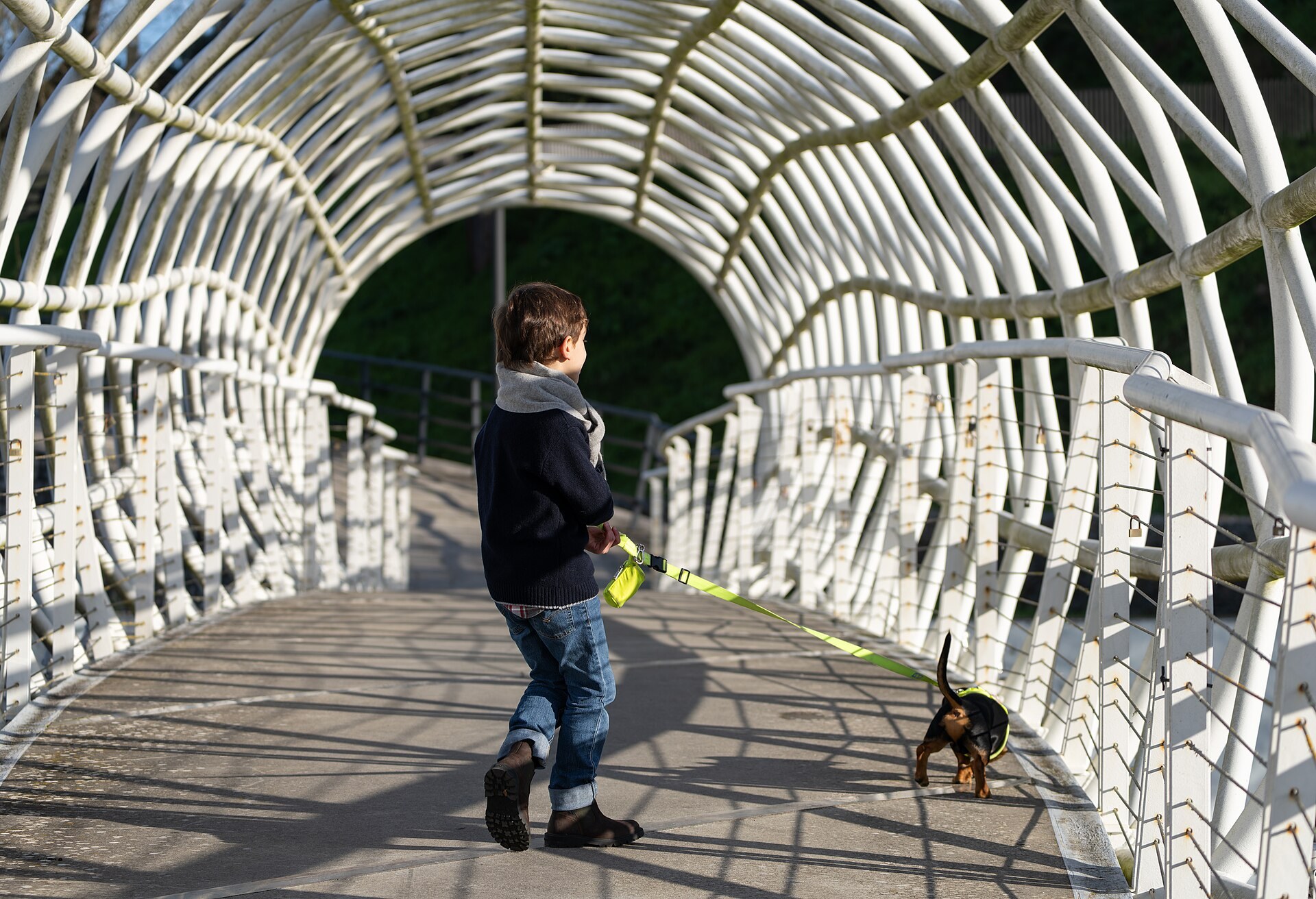
This is where owner language matters. Calling every hard behavior "dominance" is lazy and usually unhelpful. A better question is: what was this dog bred to notice, chase, announce, or solve? Once you answer that, the training plan becomes less mystical.
Give the instinct somewhere safe to go
A brave working history does not mean a Dachshund should be allowed to make dangerous choices. Because of their long backs and short legs, owners should be thoughtful about jumping, rough stair use, obesity, and hard impacts. If you have concerns about back pain, movement changes, or injury risk, talk with a veterinarian.
Safer outlets are the better answer. Let the dog use its nose. Try food puzzles, scent games, hide-and-seek with treats, supervised digging boxes, tracking-style games, or walks that include sniffing time instead of marching the dog past every interesting smell like a tiny unpaid commuter.
For boldness around other dogs, use distance and management. A Dachshund who thinks it can handle every Labrador in the park is not automatically correct. Bravery still needs adult supervision.
Why the breed still feels so big
Dachshunds feel big because they were selected for a job where hesitation was expensive. Their confidence had a purpose. So did their persistence, voice, scent drive, and willingness to work away from direct human control.
That does not make every Dachshund identical. Individual dogs vary by breeding, early socialization, training, health, and household routine. But the breed’s history gives owners a useful frame: when your Dachshund acts bold, busy, opinionated, or determined, you are often seeing old job traits in a modern living room.
The goal is not to erase that. The goal is to guide it.
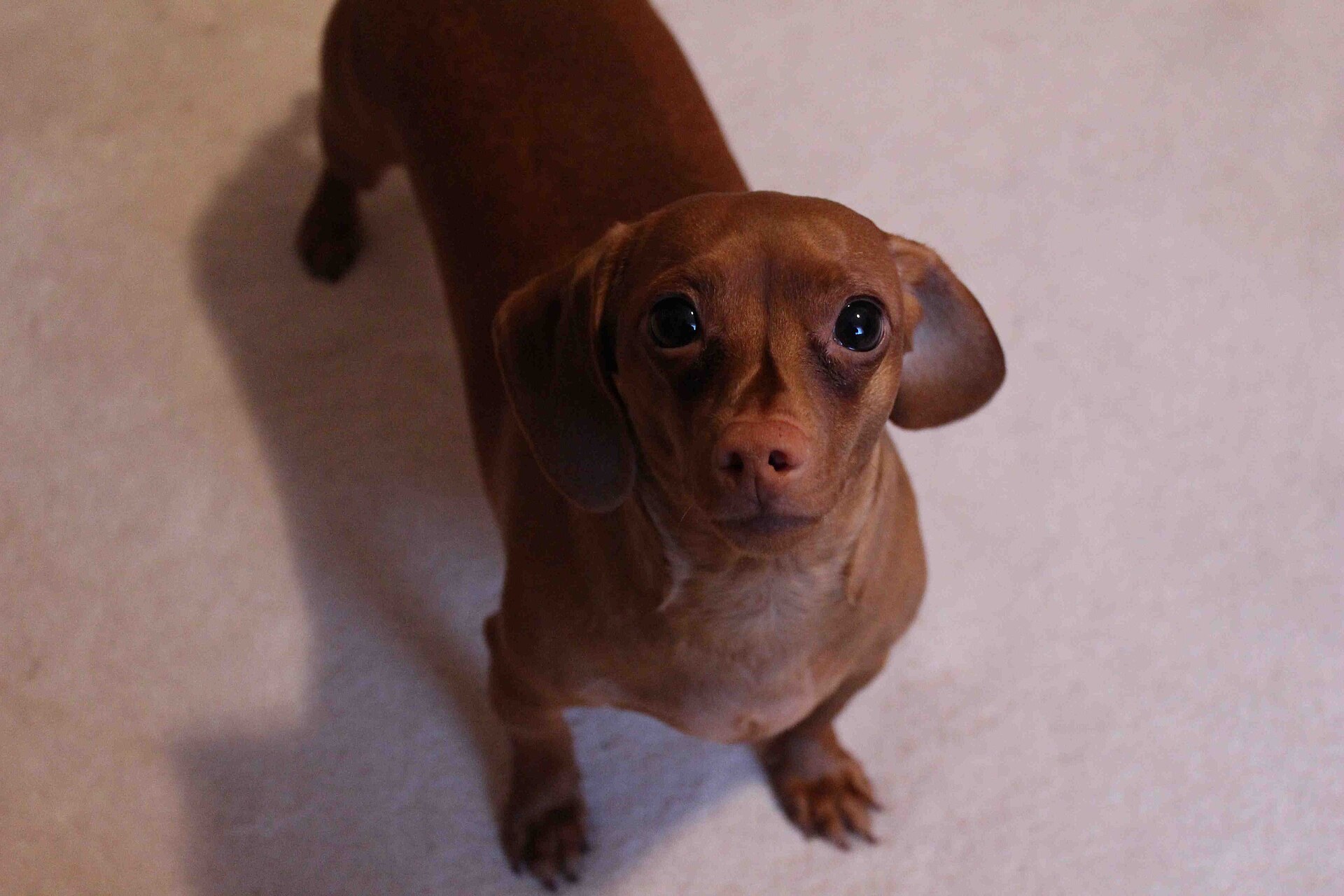
Quick owner takeaways
If you live with a Dachshund, treat the bravery as real, not as a novelty. Give the dog fair rules, safe outlets, and training that respects the breed’s independent streak.
A good Dachshund routine usually includes sniffing, short training sessions, controlled social exposure, safe movement habits, and enough mental work that the dog does not invent its own job. Because when a Dachshund invents its own job, it is usually "security director of the entire neighborhood," and the pay structure is barking.
For more Dachshund context, see Dogthread’s Dog of the Day: Dachshund. For the bigger history cluster, this article also supports Dog Breed History: Why Dogs Were Bred for Jobs, Not Aesthetics when that pillar goes live.
FAQ
Were Dachshunds really bred to hunt badgers?
Yes. Dachshund is commonly translated as "badger dog," and major breed histories connect the breed to German badger hunting and other underground hunting work.
Why are Dachshunds so fearless?
Dachshunds tend to seem fearless because the breed was developed for independent, high-pressure work. A dog going into a den needed confidence, persistence, and enough nerve to keep working without a handler beside it.
Does Dachshund bravery make them aggressive?
Not automatically. Bravery and aggression are not the same thing. A Dachshund may be bold, vocal, or reactive if poorly managed, but training, socialization, health, and household boundaries all matter. If a dog shows serious aggression, work with a qualified trainer or veterinary behavior professional.
Why are Dachshunds so stubborn?
Many Dachshunds seem stubborn because their original work rewarded independent problem-solving. They were not bred only to wait for step-by-step instructions. Short, rewarding training sessions usually work better than repeating commands louder.
Are Dachshunds still hunting dogs today?
Some Dachshunds still participate in scent, tracking, field, or earthdog-style activities, but most are family companions. Even as pets, many still show scent drive, digging interest, alert barking, and persistence.
What should owners do with a brave Dachshund?
Give the dog safe outlets: sniff walks, puzzle feeders, scent games, supervised digging options, recall practice, and clear house rules. Also manage physical risks, especially jumping and weight, and ask a veterinarian about any back or mobility concerns.